Blog

  • custom silicone mold maker near me: Reliable Manufactur 2026

    For overseas buyers and product developers, the search for a “custom silicone mold maker near me” often concludes with a strategic pivot: looking towards China. While local sourcing offers proximity, China’s mold manufacturing industry provides an unparalleled combination of advanced technical expertise, scalable production capacity, and significant cost efficiency. This guide is designed for the discerning international buyer, focusing on actionable strategies to navigate the procurement process, verify suppliers, and secure high-quality custom silicone and injection molds from reliable Chinese manufacturers in 2026 and beyond.

    The initial challenge for any overseas buyer is shifting from a localized search to a global procurement mindset. The term “custom silicone mold maker near me” represents a need for specialized, reliable, and cost-effective manufacturing—a need that Chinese mold factories are exceptionally equipped to fulfill. The journey requires moving beyond simple online directories and embracing a structured approach to supplier identification. Begin by leveraging industry-specific B2B platforms, but prioritize those with verified supplier badges and transaction histories. Attend international trade fairs, either virtually or in person, as they offer direct engagement with engineering teams. Crucially, understand that a reputable China mold factory will have a portfolio showcasing a range of materials, including silicone molds for prototyping and short-run production, and hard tooling for high-volume injection mold operations. This dual capability often indicates a deeper understanding of the product development lifecycle.

    Once a shortlist of potential partners is established, rigorous supplier verification becomes the most critical step. This transcends checking business licenses. Demand transparency in their operational structure. A reliable manufacturer will readily provide a virtual factory tour, introduce key engineering staff, and detail their quality control hierarchy. Investigate their experience with export to your specific region, understanding certifications like ISO 9001 as a baseline, not a guarantee. For custom silicone mold makers, request physical samples of previous work—feel the material, inspect the finish, and test the functionality. For injection mold suppliers, ask for mold flow analysis reports and sample parts from previous tools. Contact past international clients directly; a confident supplier will provide references. This due diligence phase is your primary defense against substandard quality and logistical nightmares, transforming an anonymous overseas factory into a vetted extension of your own supply chain.

    Effective communication and technical alignment form the bedrock of a successful partnership. The complexity of custom mold manufacturing demands crystal-clear specifications. Provide comprehensive 3D CAD files (STEP or IGS formats are preferred), detailed 2D drawings with critical tolerances, and a fully defined bill of materials including the specific silicone or plastic resin grade. Discuss the intended use-case, expected production volume, and part lifecycle requirements upfront. A professional China mold factory will assign a dedicated project manager who communicates in clear English and proactively asks clarifying questions. They should provide a formalized project timeline covering design for manufacturability (DFM) feedback, tooling fabrication, sampling, and approval stages. Misunderstandings in this phase are the root cause of most project delays and cost overruns, making precise, documented communication non-negotiable.

    Implementing a robust quality control protocol from the outset is what separates successful importers from those facing costly rejections. Do not assume quality; inspect it at defined milestones. For silicone molds, insist on approval of the master model and the first articles from the silicone tool. For injection molds, the process is more involved. Define a First Article Inspection (FAI) process against your provided drawings. Require pre-shipment inspections of the final production samples, and for larger orders, consider hiring a third-party quality inspection service to conduct an in-factory audit during a pilot production run. Discuss the supplier’s internal QC measures: how do they check for mold flow imperfections, flash, dimensional accuracy, and cosmetic defects? Your chosen partner should welcome this scrutiny, as it aligns both parties on the definition of quality and prevents disputes before shipment.

    Finally, view this procurement as building a strategic long-term relationship, not a one-time transaction. A reliable custom silicone mold maker or injection mold supplier in China is an asset for your entire product line. Discuss future scalability, potential design iterations, and maintenance of the molds. Understand their policies on mold storage and repair. A partner invested in a long-term relationship will be more proactive in problem-solving and may offer more favorable terms for future projects. This perspective encourages mutual investment in success, fostering trust and continuous improvement. In 2026, with advancements in digital collaboration tools and logistics, managing this overseas partnership is more seamless than ever, provided the foundational relationship is strong.

    In conclusion, the search for a “custom silicone mold maker near me” logically extends to the global manufacturing hub of China for those seeking optimal value, expertise, and scalability. The path to a reliable manufacturer in 2026 is defined by meticulous supplier verification, uncompromising clarity in technical communication, and a proactive, multi-stage quality control regime. By treating your chosen China mold factory as a strategic partner and investing in the upfront due diligence, you transform the perceived risks of overseas procurement into a formidable competitive advantage. The result is access to world-class manufacturing capabilities, enabling you to bring high-quality, cost-effective products to market with confidence.

    Work With Us

    As a professional China mold manufacturer, we provide one-stop mold solution for overseas buyers.
    📞 Phone: +86-18605944639
    💬 WhatsApp: +8618605944639
    🌐 Website: bestmoldworks.com
    📧 Email: [email protected]
  • where can i get a plastic mold made: Professional Buy 2026

    For product developers, engineers, and procurement specialists worldwide, a critical question marks the beginning of any new plastic part production: where can I get a plastic mold made? The answer, increasingly, points to China, home to a vast and sophisticated manufacturing ecosystem. However, navigating this landscape requires more than just a simple supplier list; it demands a strategic, informed approach to procurement. This guide for 2026 is designed to cut through the noise, offering professional, actionable insights for overseas buyers looking to import high-quality, cost-effective injection molds from China, while effectively managing risk and ensuring a successful partnership.

    The foundation of a successful mold import project is thorough supplier verification. The initial online search for a “China mold factory” will yield thousands of results, ranging from backyard workshops to fully automated, ISO-certified facilities. The key is systematic vetting. Start by scrutinizing technical capabilities: review their portfolio for molds similar in size, complexity, and industry (e.g., medical, automotive, consumer electronics) to your project. Request detailed case studies. Next, verify business credentials through third-party platforms like Panjiva or Global Sources, and insist on a video tour of their facility. A reputable supplier will readily showcase their CNC machining centers, EDM equipment, and mold trial presses. This step moves you from a generic search to a shortlist of qualified partners capable of answering your specific need for where a plastic mold can be made.

    Once potential partners are identified, the focus shifts to precision in communication and technical procurement. The single most important document is a comprehensive, unambiguous Request for Quotation (RFQ). This should include not just part drawings (preferably 3D STEP files and 2D PDFs with critical dimensions flagged), but also key mold specifications: mold steel type (e.g., P20, H13, Stainless 420), expected lifespan (number of shots), cavity count, hot runner system requirements, and surface finish specifications (SPI standards). Clearly state your post-mold expectations: will the supplier handle initial sampling and provide pre-production parts with a CMM report? Detailing these requirements filters out suppliers who compete solely on price and attracts those who compete on technical merit and transparency, ensuring your injection mold is built to exacting standards.

    A professional import strategy integrates rigorous, staged quality control throughout the manufacturing process, not just as a final inspection. For overseas buyers, physical distance makes proactive QC non-negotiable. Implement a milestone-based inspection protocol. Critical checkpoints include: a first article inspection after mold design review, a steel material certification check, a T1 sample evaluation from the first trial shots, and a final pre-shipment audit. For high-value molds, engaging a local third-party quality inspection firm for the T1 sample trial is a highly recommended investment. They can witness the trial, measure parts, document flow lines or sink marks, and assess mold performance data directly, providing an objective report. This process mitigates the risk of costly rework after shipment and aligns your China mold factory’s output with your quality expectations.

    Beyond the technical build, understanding the total cost of ownership and logistics framework is vital for a smooth import process. The mold price is one component; consider also payment terms (typically 30-50% deposit, balance before shipment), tooling warranty (often 1-2 years against manufacturing defects), and the cost and responsibility of maintenance. Logistics require careful planning: will you use EXW, FOB, or DDP terms? For heavy molds, sea freight is standard, but ensure proper wooden crate packaging is specified. Furthermore, plan for the post-import phase: have a plan for mold storage, maintenance, and potential future modifications. Clarifying these commercial and logistical aspects upfront prevents misunderstandings and ensures a clear path from factory floor to your production line.

    Successfully importing an injection mold from China is a demonstrable competitive advantage, offering unparalleled value and capability when executed with diligence. The journey from asking “where can I get a plastic mold made” to receiving a precision tool in your facility is built on systematic supplier verification, crystal-clear technical procurement, embedded quality control, and comprehensive logistics planning. As we move through 2026, the most successful international buyers will be those who view their Chinese mold manufacturer not as a distant vendor, but as a strategic technical partner. By applying these professional guidelines, you transform a complex international procurement challenge into a streamlined, reliable process, securing the high-quality tooling essential for bringing your plastic product visions to market efficiently and effectively.

    Work With Us

    As a professional China mold manufacturer, we provide one-stop mold solution for overseas buyers.
    📞 Phone: +86-18605944639
    💬 WhatsApp: +8618605944639
    🌐 Website: bestmoldworks.com
    📧 Email: [email protected]
  • Mold customization online: Professional Buying Guide 2026

    For overseas buyers, the prospect of importing custom molds from China presents a compelling value proposition: access to advanced manufacturing capabilities, significant cost advantages, and scalable production. However, navigating the digital landscape of **mold customization online** can be fraught with challenges, from identifying credible partners to ensuring the final product meets exact specifications. This 2026 professional buying guide is designed to cut through the noise, providing you with a strategic, actionable framework to execute a successful **procurement** strategy directly with a **China mold factory**.

    The evolution of digital platforms and communication tools has transformed mold sourcing from a purely relationship-based, in-person endeavor to a process that can be initiated and managed virtually. Yet, this convenience also demands heightened diligence. The core challenge for international buyers is no longer finding a manufacturer, but efficiently verifying, communicating with, and managing a reliable partner thousands of miles away. This guide focuses on the critical steps to mitigate risk and build a productive partnership for your **injection mold** or other custom tooling needs.

    Conducting Rigorous Supplier Verification in the Digital Age

    The foundation of any successful import project is a thoroughly vetted supplier. In 2026, verification goes beyond a simple website check. Start with a deep dive into the factory’s digital footprint. Analyze their professional website for technical blogs, case studies, and detailed process explanations. Utilize B2B platforms not just for contact, but to examine transaction histories and buyer reviews. Crucially, move beyond text. Request and schedule a live video tour of their facility. A reputable **China mold factory** will readily showcase their CNC machining centers, EDM equipment, mold trial areas, and **quality control** stations in real-time. Verify business licenses and ask for specific contact information for their company domain email addresses. Furthermore, request references from past overseas clients with similar project scopes and follow up on them. This multi-layered verification process separates marketing-focused intermediaries from genuine, capable manufacturers.

    Mastering Technical Communication and Digital Prototyping

    Clear, unambiguous technical communication is the single most important factor in mold customization online. Begin by providing a comprehensive and standardized Request for Quotation (RFQ) package. This must include detailed 3D part files (STEP or IGS format), 2D drawings with critical dimensions, tolerances, and GD&T callouts, material specifications, and expected annual volumes. Leverage modern collaboration tools. Use screen-sharing during design reviews to discuss mold flow analysis, gate locations, cooling channel design, and ejection plans. Many leading factories now offer digital twin or 3D mold structure reviews before steel is cut. Insist on a formal Design for Manufacturability (DFM) report. This document should highlight potential issues, suggest improvements for part cost and durability, and confirm all specifications. Treat this DFM stage as a collaborative negotiation; it is far cheaper to correct a design digitally than to rework hardened steel.

    Structuring Contracts and Phased Payments for Security

    A professional contract is your legal and operational blueprint. It should meticulously detail every aspect of the project beyond just price and delivery time. Key clauses must cover: intellectual property ownership, specifying that all mold and design rights transfer to you upon final payment; a clear, milestone-based payment schedule; approved material certificates for mold steel and components; and explicit procedures for handling design changes and cost overruns. The recommended payment structure in 2026 typically follows a 30-40% deposit upon order confirmation, 30-40% upon approval of mold trial samples, and the remaining 20-30% balance after final approval and before shipment. This aligns incentives, ensuring the supplier remains motivated to complete the project to your satisfaction. Always use secure, traceable payment methods and ensure the contract is governed by a mutually agreeable jurisdiction.

    Implementing Proactive and Evidence-Based Quality Control

    Passive hope is not a **quality control** strategy. You must build inspection checkpoints into the timeline. For critical stages like mold completion and first article inspection, consider hiring a local third-party inspection agency. They can perform on-site checks of the mold dimensions, material hardness, and surface finish before the first trial. The most critical phase is the Trial Sample Report (TSR). Upon receiving initial samples, conduct a rigorous evaluation. Measure critical dimensions, test for fit and function, and subject samples to applicable durability tests. Provide the factory with a signed sample approval form or a detailed list of required adjustments. Do not approve shipment until samples are perfect. For ongoing production, define acceptable quality levels (AQL) and require statistical process control data from production runs. Modern factories can provide real-time data and even live feeds from the production floor, offering unprecedented transparency.

    Planning for Logistics, Maintenance, and Long-Term Partnership

    Successful **mold customization online** extends beyond the first shipment. Discuss logistics and incoterms (like FOB or EXW) upfront to avoid unexpected costs. Ensure the factory provides a comprehensive mold manual, including maintenance schedules, spare parts list, and detailed drawings. Discuss post-sales support: Will they store the mold? What are the costs and lead times for repairs or production resumption? Building a long-term partnership with a reliable **China mold factory** yields significant benefits, including priority scheduling, better pricing on future projects, and a deeper understanding of your quality standards. View the initial project not as a one-time transaction, but as an investment in a strategic manufacturing partnership.

    Conclusion

    Importing custom molds from China in 2026 is a process empowered by digital tools but still grounded in professional due diligence and clear communication. By implementing a systematic approach—combining rigorous **supplier verification**, mastering digital technical exchanges, securing contracts, enforcing proactive **quality control**, and planning for the mold’s lifecycle—overseas buyers can confidently leverage China’s manufacturing excellence. The journey of **mold customization online** demands a strategic and informed buyer. By following this professional guide, you transform the inherent complexities of international procurement into a streamlined, reliable, and highly advantageous channel for securing high-quality, cost-effective custom tooling, positioning your business for competitive success in the global market.

    Work With Us

    As a professional China mold manufacturer, we provide one-stop mold solution for overseas buyers.
    📞 Phone: +86-18605944639
    💬 WhatsApp: +8618605944639
    🌐 Website: bestmoldworks.com
    📧 Email: [email protected]
  • OEM mold: Expert Tips & Solutions 2026 | China Mold Factory

    For overseas buyers, partnering with a China mold factory for OEM mold production represents a strategic move to achieve significant cost savings, access advanced manufacturing capabilities, and accelerate product development. However, the path to a successful partnership is often paved with challenges: communication gaps, unclear specifications, supplier reliability concerns, and quality inconsistencies. This guide cuts through the noise to deliver actionable, professional solutions for 2026, empowering you to navigate the procurement process with confidence and secure a high-quality injection mold that meets your exact requirements.

    Mastering the Technical Dialogue and RFQ Process

    The foundation of a successful OEM mold project is a crystal-clear, unambiguous technical dialogue. The most common pitfall is providing insufficient or vague design data. To solve this, your Request for Quotation (RFQ) package must be comprehensive. Beyond 3D CAD files (STEP or IGES preferred), include fully detailed 2D drawings with critical dimensions, geometric tolerances (GD&T), and surface finish specifications (SPI standards). Explicitly state the intended material for the final plastic parts, expected annual volumes, and cycle time targets. This precision allows the China mold factory to assess manufacturability accurately, propose design for manufacturability (DFM) improvements, and provide a firm, comparable quote. It transforms the conversation from price negotiation to value engineering, ensuring all bidders are evaluating the exact same scope for your OEM mold.

    Implementing a Rigorous Supplier Verification Protocol

    Not all mold manufacturers in China are created equal. Supplier verification is your most critical risk mitigation step. Move beyond Alibaba storefronts and glossy brochures. In 2026, due diligence must be multi-faceted. First, verify business legitimacy through third-party platforms like Dun & Bradstreet or official Chinese business registration checks. Second, request and scrutinize a detailed company profile: years in operation, client list (ask for references from overseas companies), machinery list (brands and ages of CNC, EDM, and CMM machines), and engineering team credentials. Third, and most importantly, insist on a live video tour of the facility. This allows you to audit factory conditions, technology in use, quality control stations, and ongoing projects. A reputable supplier will have no objection. This process filters out trading companies and under-equipped workshops, directing you to true manufacturing partners capable of delivering a precision injection mold.

    Structuring Contracts and Payments to Align Interests

    A well-structured contract and payment schedule protect both parties and align incentives toward project success. Avoid vague terms and large upfront payments. The solution is a milestone-based payment plan tied to objective deliverables. A typical structure could be: 30% upon order confirmation, 40% upon approval of mold design and DFM report, 30% upon pre-shipment inspection and approval of sample parts. The contract must explicitly define ownership of the mold design and tooling, confidentiality (NDA), warranty period (covering wear and repair for 12-24 months), and liability for delays. Crucially, include detailed acceptance criteria based on the initial specifications. This framework ensures cash flow is linked to progress, gives you leverage at key checkpoints, and motivates the supplier to meet agreed-upon standards for your OEM mold project.

    Enforcing Proactive and Multi-Stage Quality Control

    Passive hope is not a quality strategy. The solution is to implement a proactive, multi-stage QC process from the first steel block. Require and review critical milestone reports: material certificates for the selected mold steel (e.g., 718H, S136), photos/videos of the finished mold cavity and core pre-assembly, and a full First Article Inspection (FAI) report on the initial sample parts from the injection mold. Partner with a reputable third-party inspection company in China for the pre-shipment inspection. They will check mold dimensions, functionality, and produce sample parts using your specified material on-site, measuring them against your drawings. For high-volume or critical projects, consider having your own engineer present for the Trial Run (T1) at the factory. This hands-on approach catches issues early, when they are least expensive and time-consuming to correct.

    Navigating Logistics, IP Protection, and Long-Term Partnership

    The final hurdle involves securing your investment and ensuring a smooth launch. For Intellectual Property (IP), register your designs and patents in China where possible. Supplement your contract with a robust, jurisdiction-specific NDA and Non-Use Agreement. For logistics, clarify Incoterms (FOB Shenzhen is common) and work with your supplier or a forwarder to understand mold packaging (typically wooden crates), shipping, and insurance. The ultimate solution is to view this not as a one-off transaction but as a long-term partnership. A reliable China mold factory is an extension of your R&D and production team. They can support you with future design iterations, maintenance, repair, and even production of plastic parts. Clear communication, documented processes, and fair dealings build the trust that turns a successful initial procurement into a lasting competitive advantage.

    Conclusion

    Importing a high-quality injection mold from China in 2026 demands a shift from simple price-shopping to strategic partnership building. By mastering the technical specification, conducting thorough supplier verification, structuring smart contracts, enforcing rigorous quality control, and planning for the long term, you systematically de-risk the procurement process. The goal is not merely to find a vendor, but to identify a competent China mold factory that becomes a trusted collaborator. Implementing these expert tips will provide the solutions needed to transform the inherent advantages of sourcing from China—cost, scale, and expertise—into tangible, reliable results for your product development and manufacturing success.

    Work With Us

    As a professional China mold manufacturer, we provide one-stop mold solution for overseas buyers.
    📞 Phone: +86-18605944639
    💬 WhatsApp: +8618605944639
    🌐 Website: bestmoldworks.com
    📧 Email: [email protected]
  • injection molding machine manufacturer in china: Best 2026

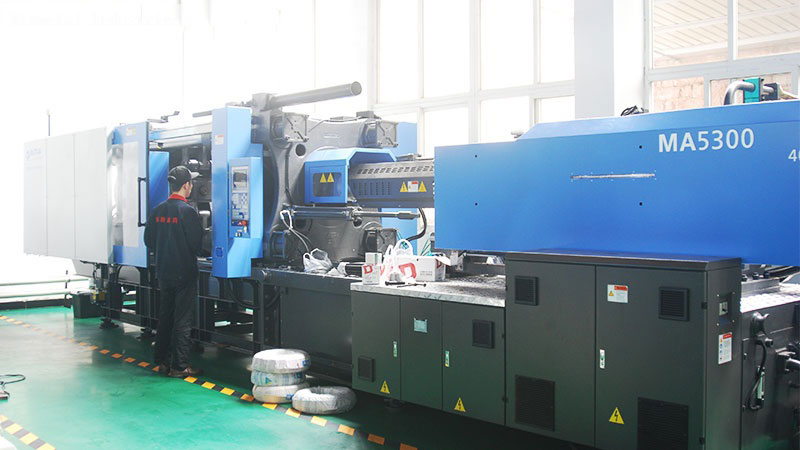
    For overseas buyers, sourcing an injection molding machine manufacturer in China represents a significant opportunity to access advanced technology and competitive pricing. As we look toward 2026, the Chinese manufacturing landscape is evolving rapidly, with a clear shift towards intelligent, energy-efficient, and highly automated machinery. Navigating this market, however, requires more than just a simple supplier list; it demands a strategic approach to procurement, verification, and partnership. This guide is designed to provide actionable, real-world strategies to help you identify and collaborate with a top-tier injection molding machine manufacturer in China, ensuring your investment is sound, future-proof, and aligned with your production goals for the coming years.

    The foundation of a successful import project lies in precise requirement definition. Before you even begin searching for a China mold factory, you must have crystal-clear specifications. Are you looking for all-electric machines for high-precision medical components, or large two-platen machines for automotive parts? Define your crucial parameters: clamping force (tonnage), shot volume, platen size, and the required level of automation. Furthermore, consider the software and connectivity features that will be standard in 2026, such as IoT-enabled monitoring for predictive maintenance and integration with MES (Manufacturing Execution Systems). A detailed Request for Quotation (RFQ) document not only filters out incapable suppliers but also establishes you as a serious and knowledgeable buyer, setting the stage for more accurate and comparable proposals.

    With requirements set, the critical phase of supplier verification begins. Moving beyond Alibaba listings is essential. Start by investigating a manufacturer’s industry presence. Do they regularly exhibit at major international plastics fairs like Chinaplas? Review their case studies, focusing on projects similar in complexity and industry to yours. A crucial, often overlooked step is verifying their research and development capabilities. The best manufacturers for 2026 are those investing in next-generation technologies like AI-driven process optimization and sustainable solutions. Initiate video calls to tour their facility virtually; observe the organization of their assembly floor and the quality of components used. Third-party verification platforms and requesting contact information for existing overseas clients, particularly in your region, will provide unfiltered insights into reliability, after-sales support, and communication efficacy.

    The procurement process must include rigorous, pre-agreed quality control protocols. Price should never be the sole deciding factor. Instead, structure your negotiations around a total value package. Discuss machine testing procedures—insist on a Factory Acceptance Test (FAT) where you or a trusted third-party inspector can witness the machine running under specified conditions. Document everything with high-resolution photos and video. Clarify warranty terms, spare parts availability, and lead times for critical components. Payment terms should be secure and staggered, such as 30% deposit, 60% before shipment after FAT approval, and 10% after successful installation. Ensure all technical documentation, manuals, and CE or other relevant certification documents are part of the delivery package. This structured approach mitigates financial risk and ensures technical compliance.

    Even the best injection mold is only as good as the machine that produces it. Therefore, evaluating a manufacturer’s technical support and training ecosystem is paramount for long-term success. Discuss their installation and commissioning support for your location. Will they send engineers, or do they rely on local agents? What is the structure of their remote support—do they offer 24/7 online troubleshooting? As machinery becomes more software-dependent, access to training for your operators on the specific control system is a necessity. Understanding their global spare parts network logistics is critical for minimizing downtime. A forward-thinking manufacturer will offer digital tools like augmented reality (AR) guides for maintenance. Establishing these service-level agreements before finalizing your contract transforms a transactional purchase into a strategic partnership, ensuring your machine’s productivity and longevity well into 2026 and beyond.

    Finally, align your sourcing strategy with the megatrends shaping the industry. The leading Chinese manufacturers are aggressively pursuing sustainability and Industry 4.0 integration. For your 2026 operations, prioritize suppliers who excel in energy-efficient drives (servo motors), machines capable of processing recycled or bio-based polymers, and those with robust data output capabilities for smart factory analytics. Partnering with a manufacturer at the forefront of these trends not only future-proofs your capital investment but also enhances your own brand’s sustainability credentials. This forward-looking perspective ensures that the machine you import today remains technologically relevant and competitively advantageous for the next decade.

    Conclusion

    Identifying the best injection molding machine manufacturer in China for your 2026 operations is a multifaceted endeavor that blends technical diligence with strategic partnership building. It moves far beyond simple price comparison to a deep evaluation of technological capability, verification of operational integrity, and establishment of enduring support structures. By meticulously defining your needs, conducting thorough supplier verification, enforcing strict quality control during procurement, securing comprehensive technical support, and aligning with future industry trends, you can confidently navigate the Chinese market. This disciplined approach minimizes risk and maximizes return, ensuring that your imported machinery becomes a reliable cornerstone of your manufacturing success for years to come.

    Work With Us

    As a professional China mold manufacturer, we provide one-stop mold solution for overseas buyers.
    📞 Phone: +86-18605944639
    💬 WhatsApp: +8618605944639
    🌐 Website: bestmoldworks.com
    📧 Email: [email protected]
  • custom manufacturing companies: Professional Buying Gu 2026

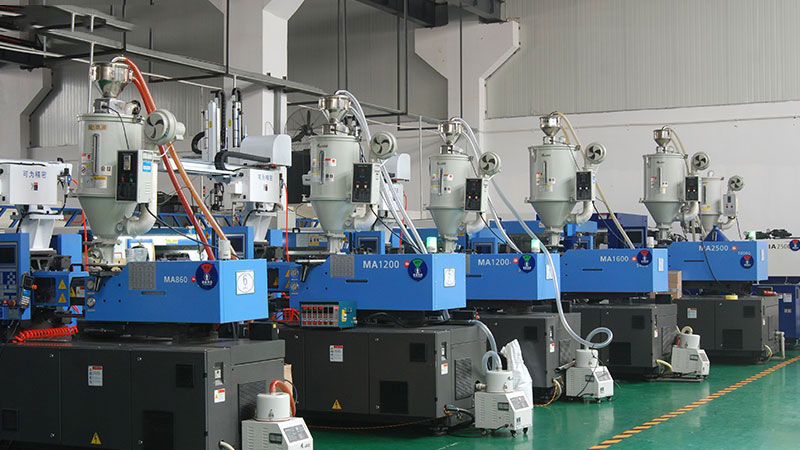
    For overseas buyers, the decision to import molds from China represents a significant strategic advantage, offering unparalleled cost efficiency and manufacturing scalability. However, navigating the vast landscape of suppliers to find a truly reliable partner can be a daunting task fraught with risks. This 2026 professional buying guide is designed to cut through the noise and provide you with a clear, actionable framework for engaging with Chinese custom manufacturing companies. We will move beyond simple directory listings and focus on the proven procurement strategies that separate successful, long-term partnerships from costly mistakes.

    The cornerstone of any successful import venture is rigorous supplier verification. In 2026, this goes far beyond checking a business license. Start with a deep-dive into the China mold factory’s specializations. Do they have proven expertise with your specific material (e.g., engineering-grade plastics) and mold type, such as high-precision injection molds? Utilize video calls to conduct virtual factory tours; a reputable supplier will readily showcase their workshop, machinery (look for modern CNC, EDM, and mold-testing presses), and ongoing projects. Crucially, request and contact past international clients. A trustworthy company will provide references. Furthermore, verify their export experience and familiarity with Incoterms 2020, which will govern shipping responsibilities. This due diligence phase is non-negotiable and forms the foundation of a secure partnership with capable custom manufacturing companies.

    Once a potential partner is identified, mastering the technical and commercial negotiation is critical. The focus must be on achieving crystal-clear specification alignment. Provide comprehensive 3D drawings (STEP or IGS files) and a detailed product requirements document covering material specifications, cavity life expectancy (e.g., 500,000 shots), surface finish (SPI standards), and tolerances. For injection mold projects, discuss and agree upon the mold flow analysis (MFA) process upfront; a professional factory will insist on performing this simulation to predict and prevent filling issues. Commercially, understand the cost breakdown. A suspiciously low quote often sacrifices steel quality, precision, or post-sales support. Negotiate a transparent payment schedule (e.g., 30-50% deposit, 40-60% before shipment, 10% retained after sample approval) that protects both parties. Always use a legally vetted proforma invoice (PI) and purchase contract.

    Implementing staged quality control is your most powerful tool for risk mitigation. Do not wait until the final product is shipped to inspect. Insist on a Quality Inspection Plan that includes critical checkpoints. The first is a Data Quality Check of the mold design. The second is a First Article Inspection (FAI) when the initial samples are produced from the finished mold. This sample should be tested for dimensions, function, and appearance against your approved master. For higher-value orders, engage a local third-party inspection service to conduct an During Production Inspection (DPI) or Pre-Shipment Inspection (PSI) at the factory. They will check the mold’s workmanship, sample consistency, and packing. This layered QC approach ensures issues are identified and rectified in China, avoiding the logistical and financial nightmare of receiving a non-conforming tool.

    The final phase, often overlooked, is managing logistics and fostering the partnership. Clarify shipping terms (FOB, EXW, CIF) explicitly. For delicate and high-value injection molds, professional wooden crate packaging with proper desiccant and rust prevention is essential. Ensure the supplier provides all necessary export documents, including a detailed commercial invoice, packing list, and certificate of origin. Upon receipt, conduct a thorough inspection immediately. However, view the transaction not as a conclusion but as a beginning. A reliable China mold factory will offer a clear mold warranty (typically 12-24 months against manufacturing defects) and provide ongoing maintenance support. Building a transparent, communicative relationship with your chosen partner turns a one-time procurement into a strategic asset that can adapt to your future product development needs.

    Importing molds from China in 2026 demands a professional, process-oriented approach. The landscape is competitive, and the most successful buyers are those who systematize their engagement—from multi-faceted supplier verification and precise technical negotiation to staged quality control and clear logistical planning. By applying this structured guide, you transform the procurement process from a gamble into a manageable, low-risk operation. The goal is to move beyond being just a buyer to becoming an informed partner, leveraging the expertise of specialized Chinese custom manufacturing companies to gain a decisive competitive edge in your market. Your mold is not just a tool; it is the foundation of your product quality and production timeline. Investing time in selecting and managing the right factory is, therefore, one of the most critical business decisions you will make.

    Work With Us

    As a professional China mold manufacturer, we provide one-stop mold solution for overseas buyers.
    📞 Phone: +86-18605944639
    💬 WhatsApp: +8618605944639
    🌐 Website: bestmoldworks.com
    📧 Email: [email protected]

  • custom molds for aluminum: Reliable Manufacturers Guide 2026

    For overseas buyers, sourcing custom molds for aluminum represents a critical path to innovation, cost efficiency, and competitive manufacturing. China remains the global epicenter for mold manufacturing, offering unparalleled expertise and scale. However, the journey from concept to a perfect, production-ready mold is fraught with potential pitfalls—miscommunication, quality inconsistencies, and supplier reliability issues. This guide for 2026 cuts through the noise, providing a professional, actionable framework to navigate the Chinese market and partner with a manufacturer that delivers precision, durability, and value.

    The cornerstone of a successful project lies in meticulous supplier verification. Moving beyond a simple Alibaba search is non-negotiable. Begin by identifying China mold factory candidates with demonstrable expertise in aluminum-specific tooling. Aluminum molds, particularly for die casting or high-pressure injection molding, require specialized knowledge in thermal management, steel grade selection, and venting design to handle the metal’s unique flow and solidification characteristics. Scrutinize their portfolio for projects similar in complexity and size to yours. Request detailed case studies and, crucially, ask for client references from your region. A video conference factory tour is a 2026 standard; observe their workshop organization, machinery (look for advanced CNC, EDM, and deep-hole drilling equipment), and in-house quality control stations. Verification also means checking business licenses and export history to ensure a smooth procurement process.

    Once a shortlist is established, transforming your design into a manufacturable blueprint requires a collaborative and detailed technical review. The most reliable manufacturers will act as engineering partners, not just order takers. Provide comprehensive 3D CAD files (STEP or IGES) and detailed 2D drawings with all critical dimensions, tolerances, surface finish requirements (e.g., SPI standards), and intended alloy specifications. A professional China mold factory will conduct a Design for Manufacturability (DFM) analysis. This critical step identifies potential issues in mold flow, cooling efficiency, part ejection, and potential stress points before steel is cut. They should provide annotated feedback and solutions. Clearly agree upon and document all specifications: mold base standard (LKM, HASCO, DME), core and cavity steel grade (e.g., H13 for aluminum die casting), hardness treatment, and lifecycle expectations. This shared document becomes the binding quality benchmark.

    Procurement from China hinges on a transparent and structured contractual agreement. The adage “you get what you pay for” is profoundly true in mold making. Be wary of quotes that seem disproportionately low; they often signal inferior materials, skipped processes, or hidden costs. A professional quote should be itemized, breaking down costs for design, materials, machining, heat treatment, surface treatment, assembly, and testing. Payment terms are a key negotiation point; a common and balanced structure is 40-50% deposit, 30-40% upon pre-shipment approval of sample parts, and the balance before shipment. The contract must explicitly include clauses for intellectual property (IP) protection, warranty period (typically 12-24 months against manufacturing defects), liability for delays, and protocols for handling design changes. Define the sample approval process: how many T1 samples will be provided, and what is the procedure for feedback and mold adjustments.

    Implementing rigorous, multi-stage quality control is your primary risk mitigation tool. Do not relegate inspection to a final check before shipment. Insist on milestone inspections throughout the mold build process. This can be managed through a third-party inspection service or by appointing a trusted agent. Key inspection points include: material certification for the steel, first article inspection after machining of core and cavity, hardness testing after heat treatment, and a thorough try-out and sample report. The final sample approval is critical. The supplier must provide sample parts from the mold, along with a comprehensive inspection report including CMM data, dimensional results, and surface finish analysis. Compare these against your original specifications. For high-volume projects, consider requiring a mold flow analysis report at the design stage to predict and prevent filling issues. Proactive quality control ensures the mold arrives ready for production, avoiding costly delays and rework at your facility.

    The final step before shipment is often overlooked: ensuring the mold is prepared for a global journey and seamless integration into your production line. Confirm the mold’s packaging is robust and designed for international freight, with critical components protected from rust and shock. Request complete documentation, including a detailed mold manual (in English) with assembly drawings, maintenance schedules, spare parts list, and recommended operating parameters. Verify that all standard components (like ejector pins, heaters, or sensors) are from brands you can source locally for maintenance. A reliable supplier will offer ongoing technical support. Establish clear communication channels for troubleshooting during your production ramp-up. This post-delivery support is a hallmark of a true partner, safeguarding your investment in custom molds for aluminum far into the future.

    Successfully importing custom molds for aluminum from China in 2026 demands a disciplined, informed approach that prioritizes partnership over mere transaction. By rigorously verifying your China mold factory, collaborating deeply on technical design, securing a detailed contract, enforcing staged quality control, and planning for logistics and support, you transform procurement from a risk into a strategic advantage. The goal is to build a relationship with a manufacturer whose expertise in injection mold and die-cast tooling becomes an extension of your own engineering capability. With this guide, you are equipped to navigate the market with confidence, securing a high-precision tool that delivers consistent quality and drives your product’s success for years to come.

    Work With Us

    As a professional China mold manufacturer, we provide one-stop mold solution for overseas buyers.
    📞 Phone: +86-18605944639
    💬 WhatsApp: +8618605944639
    🌐 Website: bestmoldworks.com
    📧 Email: [email protected]

  • injection mould Manufacturerturers in China: Complete 2026

    For global businesses, sourcing injection molds from China remains a strategic move to balance cost, capability, and speed to market. However, the landscape is constantly evolving. As we look toward 2026, the process demands more sophistication than simply searching Alibaba for the lowest quote. Success hinges on a structured approach to procurement, supplier verification, and quality control. This guide provides a professional, actionable framework for overseas buyers to navigate the complexities of engaging with injection mould manufacturers in China, ensuring your project’s success in the coming year and beyond.

    The foundation of a successful import project is identifying and vetting the right partner. The term “China mold factory” encompasses a vast spectrum, from small workshops to highly automated, technologically advanced enterprises. Your first step is to align your project requirements with a manufacturer’s proven capabilities. Begin by scrutinizing their portfolio for molds similar in size, complexity, and industry (e.g., automotive, medical, consumer electronics). Do not rely solely on website claims. Request detailed case studies and, crucially, ask for video evidence of the mold in operation, producing parts. This visual proof is invaluable. Furthermore, insist on direct communication with their engineering team early in the process. A competent manufacturer will ask insightful questions about your material selection, expected cycle times, part volumes, and tolerance requirements. This technical dialogue is your first real test of their expertise and proactive approach to problem-solving.

    Once a potential partner passes the initial capability assessment, rigorous supplier verification is non-negotiable. In 2026, due diligence extends beyond a factory audit checklist. Start with a verified business license and, for higher-value projects, consider a third-party verification service to confirm operational scale and financial stability. The most critical step, however, is the virtual or in-person factory visit. Schedule a live video tour to inspect machinery brands (e.g., Sodick, DMG Mori for EDM; Haitian, Engel for trial machines), gauge shop floor organization, and observe staff competency. Pay close attention to their quality control infrastructure. Are there CMM machines, optical comparators, and mold flow analysis software visible? Ask for calibration certificates for their measuring equipment. Also, inquire about their workforce stability; high turnover can severely impact project continuity and quality. Verifying these elements separates market-leading injection mould manufacturers in China from the rest.

    The heart of mold procurement lies in the technical and commercial agreement. A comprehensive Request for Quotation (RFQ) package is your primary tool for clarity and cost accuracy. This must include not just a 3D part model (STEP or IGS format), but also a detailed 2D drawing with critical dimensions, tolerances (geometric dimensioning and tolerancing is preferred), surface finish specifications (SPI standards), and the intended plastic material. Clearly state your expected mold life (e.g., 500,000 cycles) and maintenance requirements. When quotes are returned, analyze them line by line. Be wary of suspiciously low bids; they often signal corner-cutting on steel quality (e.g., using generic P20 instead of pre-hardened 718H), standard components, or engineering hours. The contract should explicitly define milestones, payment terms (e.g., 30% deposit, 40% after T1 sample approval, 30% before shipment), intellectual property ownership, and protocols for handling design changes (ECN process). A professional manufacturer will welcome this clarity.

    Proactive quality control is what transforms a good sourcing experience into a great one. Do not adopt a “wait and see” approach until the final sample inspection. Implement staged inspections at critical milestones. The first article inspection (FAI) after the mold trial (T1 samples) is paramount. You or a trusted third-party inspection agency should check the samples against the 2D drawing using precise instruments. Analyze the mold trial report for parameters like injection pressure, cycle time, and any issues noted. Additionally, insist on a pre-shipment inspection of the physical mold. This inspection verifies workmanship, checks for proper labeling, ensures all components are present, and confirms the mold has been properly preserved and packed for ocean freight. For long-term partnerships, discuss statistical process control (SPC) data for future production runs. Establishing these QC checkpoints from the outset demonstrates your seriousness and ensures the China mold factory is accountable at every stage.

    Finally, view the partnership through a strategic, long-term lens. The most successful buyers treat their Chinese mold supplier as an extension of their own engineering department. Foster open and regular communication using tools like WeChat or Microsoft Teams for daily updates. Consider investing in joint training on your specific quality standards. Discuss their roadmap for technology adoption, such as conformal cooling or additive manufacturing for mold inserts, which could benefit future projects. Building this relationship mitigates the risks of miscommunication and creates a partner invested in your ongoing success. It transforms a transactional procurement into a strategic asset, providing you with a competitive edge in product development and manufacturing agility.

    In conclusion, importing injection molds from China in 2026 is a highly viable strategy, but it demands a disciplined, informed approach. The process is no longer just about finding a vendor; it is about identifying a capable manufacturing partner through meticulous supplier verification, governing the project with precise technical agreements, and enforcing rigorous quality control from design to shipment. By following these actionable steps, overseas buyers can confidently navigate the market, mitigate inherent risks, and fully leverage the expertise and value offered by professional injection mold manufacturers in China. The goal is not merely to buy a tool, but to secure a foundation for high-quality, cost-effective production for years to come.

    Work With Us

    As a professional China mold manufacturer, we provide one-stop mold solution for overseas buyers.
    📞 Phone: +86-18605944639
    💬 WhatsApp: +8618605944639
    🌐 Website: bestmoldworks.com
    📧 Email: [email protected]

  • custom molds for plastic part: Best Suppliers & Qualit 2026

    For overseas buyers, sourcing custom molds for plastic parts from China represents a significant strategic advantage, offering unparalleled cost efficiency and manufacturing scalability. However, the path to a successful procurement journey is often paved with challenges: identifying truly capable partners, ensuring rigorous quality control, and navigating cultural and logistical complexities. This guide for 2026 cuts through the noise to provide actionable, professional strategies for securing high-quality custom injection molds from reliable China mold factory partners.

    The cornerstone of successful procurement begins with meticulous supplier verification. Moving beyond simple online directories is crucial. Start by shortlisting manufacturers with proven expertise in your specific industry, whether automotive, medical, consumer electronics, or packaging. Scrutinize their technical capabilities, focusing on the types of injection mold they produce, their tonnage range, and experience with materials similar to your project. Essential verification steps include reviewing detailed case studies, requesting and checking references from their existing overseas clients, and validating business licenses. A professional China mold factory will be transparent during this phase, readily providing evidence of their engineering and production process. For 2026, leveraging video conferencing for virtual factory tours has become a non-negotiable step, offering a real-time view of their facility organization, machinery, and quality assurance stations.

    Once a potential partner is identified, mastering the technical and commercial quotation process is your next hurdle. A professional quotation for custom molds for plastic part should be comprehensive, not just a bottom-line price. It must detail mold base specifications, steel grade and hardness, cavity and core materials, expected cycle life, cooling system design, and gate type. Crucially, it should break down costs for mold design, fabrication, sampling, and post-sales support. Be wary of quotes that seem abnormally low; they often indicate compromises on steel quality, machining precision, or engineering time, which will lead to premature failure and costly production delays. Clearly define all payment terms, typically structured in milestones, and ensure the scope of work includes multiple rounds of sampling and necessary revisions until the part meets your approved specifications.

    Proactive and structured quality control is the single most important factor in protecting your investment. Do not relegate QC to a final pre-shipment inspection. Implement a staged inspection protocol. The first article inspection should occur when the initial T1 samples are produced from the finished mold. This evaluates the actual plastic part against your CAD data and dimensional drawings. A critical step is the mold qualification inspection at the supplier’s facility, where a quality engineer or your appointed third-party inspector checks the mold itself for workmanship, conformity to design, and performance during a sample run. Key checks include cavity and core dimensions, surface finish, ejection smoothness, and cooling line pressure tests. For 2026, leading buyers are integrating digital tools, requesting high-resolution photos and videos of critical inspections, and using shared cloud platforms for real-time deviation reporting and resolution.

    Navigating logistics and fostering a sustainable partnership are the final pillars for long-term success. Understand Incoterms thoroughly; FOB is common, but you must account for shipping, insurance, and import duties in your total landed cost. Ensure the China mold factory provides a complete mold manual, including 2D drawings, 3D data, maintenance instructions, and a list of spare parts. Discuss post-sales support upfront: What is their policy on warranty, typically covering workmanship and materials for one year? How will they handle mold repairs or modifications? Establishing clear communication channels and expectations for response times is vital. View this not as a one-time transaction but as building a strategic manufacturing partnership. A reliable supplier becomes an extension of your team, capable of supporting future projects, design for manufacturability advice, and production molding if required.

    In conclusion, securing the best suppliers and ensuring top quality for your custom plastic part molds in 2026 demands a disciplined, informed approach. The journey from supplier verification through to final quality control and logistics requires diligence and clear communication. By focusing on technically capable partners, demanding transparent quotations, enforcing rigorous staged inspections, and planning for the entire mold lifecycle, overseas buyers can fully leverage the expertise and value offered by Chinese mold manufacturers. This professional framework not only mitigates risk but also builds the foundation for a productive, long-term supply relationship that drives innovation and competitive advantage in your market.

    Work With Us

    As a professional China mold manufacturer, we provide one-stop mold solution for overseas buyers.
    📞 Phone: +86-18605944639
    💬 WhatsApp: +8618605944639
    🌐 Website: bestmoldworks.com
    📧 Email: [email protected]

  • custom injection molded plastic parts: Complete Procu 2026

    For overseas buyers, sourcing custom injection molded plastic parts represents a significant opportunity to achieve cost efficiency, scalability, and design flexibility. However, the journey from concept to mass-produced part, especially when navigating the vast manufacturing landscape of China, is fraught with potential complexities. A successful procurement strategy in 2026 demands more than just finding a low quote; it requires a systematic, informed approach to partner selection, communication, and quality assurance. This guide is designed to provide you with actionable, professional insights to streamline your procurement process and secure a reliable supply chain for your custom injection molded plastic parts.

    The cornerstone of any successful project is selecting the right China mold factory. The initial search can be overwhelming, moving beyond Alibaba listings is crucial. Begin by scrutinizing supplier specialization. A factory proficient in consumer electronics may not be ideal for automotive-grade components requiring stringent certifications. Examine their portfolio for parts similar in size, complexity, and material to your project. In 2026, leverage digital verification tools: request virtual factory tours, scrutinize their technology investments in areas like high-precision machining or clean-room molding environments, and verify business licenses. Prioritize suppliers who demonstrate engineering initiative by asking detailed questions about your design, rather than those who simply agree to your specifications without comment. This proactive engagement is the first filter for identifying a capable partner.

    Once a shortlist is established, rigorous supplier verification becomes non-negotiable. The mold is a capital investment, and its builder’s competence dictates your part’s quality, production timeline, and total cost. Insist on a detailed breakdown of the injection mold cost, separating mold fabrication from per-part pricing. Demand evidence of their quality control processes from the very first stage. Do they perform Design for Manufacturability (DFM) analysis? What tools do they use for mold flow analysis to predict and prevent defects? For critical projects, an in-person or third-party audit is highly recommended. This should assess their machining capabilities, mold maintenance protocols, and material traceability systems. Verifying their experience with international standards relevant to your industry is a key step in mitigating risk before any contract is signed.

    The procurement phase for the injection mold itself is where clarity prevents costly errors. A comprehensive Request for Quotation (RFQ) package is your most powerful tool. This must extend beyond 3D drawings and include material specifications, annual volume projections, critical-to-quality dimensions, surface finish requirements, and packaging standards. Clearly define the mold ownership and storage terms. In your negotiations, focus on total value, not just the lowest price. Discuss payment terms that align with project milestones—a common structure is 30-50% deposit, 40-60% upon mold trial sample approval, and the balance before mass production shipment. Ensure the contract explicitly covers responsibilities for mold modifications, the number of trial samples included, and the protocol for approving Production Part Approval Process (PPAP) or first article inspection reports.

    Implementing a robust quality control framework from the outset is what separates successful long-term partnerships from failed projects. Your quality plan must be active, not passive. It begins with approving the DFM report and mold design drawings. Insist on witnessing the initial mold trial, either in person or via live video stream, to assess part quality and discuss adjustments in real-time. Establish clear Acceptable Quality Level (AQL) standards for mass production inspections. For higher-risk components, engage a trusted third-party quality inspection service in China to conduct pre-shipment inspections at the factory. This provides an unbiased assessment of the finished custom injection molded plastic parts before they are containerized and shipped. Document every step, creating a quality history that supports continuous improvement and simplifies communication.

    Effective project management and communication are the glue that binds all previous steps together. Designate a single point of contact on both sides to prevent misinformation. Utilize collaborative platforms for sharing drawings, updates, and approvals. Be mindful of time zones and cultural differences; clear, concise, and documented communication is paramount. Understand the standard milestones: mold design approval, mold fabrication, T1 trial sample, engineering revisions, final sample approval, and then mass production. Building a professional relationship based on mutual respect and clear expectations will significantly smooth this process and help navigate any unforeseen challenges that arise.

    Procuring custom injection molded plastic parts from China in 2026 is a strategic endeavor that, when executed with diligence, offers immense competitive advantage. The landscape rewards buyers who move beyond price-centric sourcing to a partnership-centric model. By meticulously selecting a specialized China mold factory, conducting thorough verification, managing the injection mold procurement with clear contracts, enforcing stringent quality control, and maintaining professional communication, you transform a complex overseas operation into a reliable extension of your production capability. This complete procurement approach ensures that your investment yields not only cost-effective parts but also consistency, quality, and a supply chain partner capable of supporting your growth for years to come.

    Work With Us

    As a professional China mold manufacturer, we provide one-stop mold solution for overseas buyers.
    📞 Phone: +86-18605944639
    💬 WhatsApp: +8618605944639
    🌐 Website: bestmoldworks.com
    📧 Email: [email protected]