Blog

  • custom plastic mold cost: Best Suppliers & Quality Cont 2026

    For overseas buyers, navigating the landscape of custom plastic injection molding in China presents a significant opportunity for cost efficiency and scalability. However, the central challenge often revolves around understanding and managing the true custom plastic mold cost without compromising on long-term part quality or project viability. The initial price tag is just one variable; the real objective is securing a mold that delivers precision, durability, and consistent performance for years. This guide for 2026 cuts through the noise, providing a professional framework for procurement that balances cost with uncompromising quality control, ensuring your investment in a China mold factory pays dividends.

    The foundation of accurate costing lies in comprehensive specification. A vague request for a quote guarantees inconsistent and incomparable responses. Before approaching any supplier, invest time in a detailed mold design specification. This should include part drawings (with GD&T where applicable), material selection, expected annual volumes, cavitation requirements, and desired mold life (e.g., 500,000 cycles). Specify the mold base steel (such as P20, 718, or S136 for corrosion resistance), surface finish requirements, and tolerance levels. A China mold factory relies on this data to provide a meaningful quotation. Transparent specifications prevent costly change orders later and allow you to compare quotes on a like-for-like basis, moving the conversation from a vague “custom plastic mold cost” to a defined value proposition.

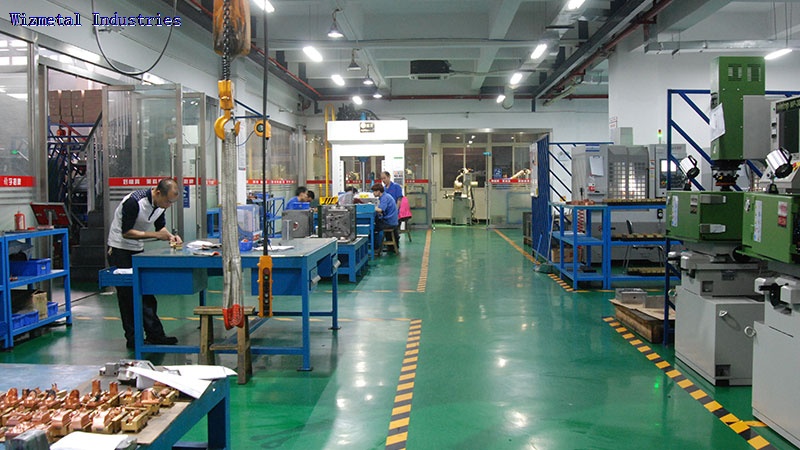
    Supplier verification is the most critical step in mitigating risk. In 2026, due diligence extends beyond a website and a price list. Begin with a multi-tiered approach: verify business licenses and export history, but go further. Request and contact references from existing overseas clients. Utilize video calls to conduct virtual factory tours, insisting on seeing the machining floor, quality control labs, and mold trial areas. Assess their engineering capability by discussing your project’s technical challenges. A reputable injection mold partner will proactively engage in design for manufacturability (DFM) reviews, suggesting optimizations that can reduce both mold complexity and part cost. This verification process filters out trading companies and under-equipped workshops, directing you toward manufacturers with a proven track record of serving international clients.

    Understanding the cost structure demystifies pricing. The custom plastic mold cost is influenced by several tangible factors. Direct costs include the complexity of the part (undercuts, thin walls), the type of steel and its heat treatment, the number of cavities, and the sophistication of the mold actions (slides, lifters, unscrewing mechanisms). Indirect costs encompass the supplier’s engineering expertise, project management, and their internal quality protocols. In 2026, leading suppliers are transparent about this breakdown. Be wary of quotes that seem abnormally low; they often indicate corner-cutting on steel quality, machining precision, or critical treatments like nitriding. A professional procurement strategy recognizes that investing in a robust mold upfront reduces part cost per unit and prevents catastrophic production downtime.

    Proactive quality control is non-negotiable and must be contractually defined. Agree on a staged inspection and reporting protocol before work begins. Key milestones include a First Article Inspection (FAI) report of the finished mold steel, a pre-shipment inspection with dimensional reports, and most crucially, a mold trial with sample parts. Insist on a fully documented Trial Report Sheet (TRS) that includes process parameters, photos, and measurements of the sampled parts. Many buyers engage a third-party quality inspection service in China for critical milestones. This hands-on approach to quality control ensures the mold meets all specifications before it leaves the factory, preventing expensive rework and shipping delays. It transforms quality from a promise into a verifiable, step-by-step process.

    Effective communication and project management bridge the geographical gap. Establish a single point of contact on both sides who is technically proficient. Use collaborative tools for sharing drawings and updates. Schedule regular update calls with shared agendas. Clearly define payment terms linked to project milestones (e.g., 30% upon order, 40% after mold trial approval, 30% before shipment), which aligns incentives and provides leverage for ensuring quality. A professional China mold factory will welcome this structured approach, as it demonstrates your seriousness and reduces the potential for misunderstandings that inflate cost and timeline.

    In conclusion, mastering the custom plastic mold cost equation for 2026 is an exercise in strategic procurement, not just price shopping. It begins with impeccable specifications, is secured through rigorous supplier verification, and is validated by embedded quality control processes. By partnering with a transparent and technically adept injection mold manufacturer in China, you transform the mold from a mere cost center into a foundational asset for your production. The goal is to build a partnership where the initial investment yields reliability, consistency, and a competitive edge in your market for years to come. Your diligence today in selecting the best supplier and enforcing stringent quality standards is the most effective strategy for cost management and project success tomorrow.

    Work With Us

    As a professional China mold manufacturer, we provide one-stop mold solution for overseas buyers.
    📞 Phone: +86-18605944639
    💬 WhatsApp: +8618605944639
    🌐 Website: bestmoldworks.com
    📧 Email: [email protected]
  • mold Manufacturerturers near me: Expert Tips & Soluti 2026

    For overseas buyers, the search for “mold manufacturers near me” often leads to a frustrating realization: the most competitive expertise, technology, and value for injection mold manufacturing are not local, but concentrated across the globe in China. This initial search, however, is the first step in a critical procurement journey. Sourcing high-quality, cost-effective molds from China is a proven strategy for businesses worldwide, but it requires a methodical approach to navigate distance, culture, and supply chain complexity. This guide provides actionable, professional solutions for 2026, transforming your search from a geographical challenge into a strategic advantage.

    The core challenge is redefining “near me.” In today’s connected manufacturing landscape, proximity is less about physical distance and more about communication efficiency, process transparency, and logistical integration. A reliable China mold factory can feel closer than an unresponsive local shop. Your goal is not merely to find a manufacturer but to build a seamless extension of your production team. This involves moving beyond simple price comparisons to a focus on supplier verification, robust quality control protocols, and clear technical collaboration. The following solutions are designed to address the real problems faced by importers, ensuring your project’s success from quotation to delivery.

    Conducting Meticulous Supplier Verification and Vetting

    Your project’s success hinges on the partner you select. The first solution is to implement a rigorous, multi-layered verification process. Start with deep due diligence: verify business licenses, export history, and physical factory addresses through video tours. Insist on speaking directly with engineering project managers, not just sales agents. In 2026, leverage digital tools to check a supplier’s digital footprint—their professional website, detailed case studies, and activity on industry platforms like Alibaba or Made-in-China can reveal their specialization and scale. Crucially, request and contact past overseas clients. A reputable China mold factory will provide references. Ask these references specific questions about communication, problem-solving, and adherence to schedules. This step moves you from a list of potential “mold manufacturers near me” on a search engine to a shortlist of validated, capable partners.

    Mastering Technical Documentation and RFQ Clarity

    Ambiguity is the primary source of cost overruns and quality disputes. The second solution is to invest time in creating impeccable technical documentation. Your Request for Quotation (RFQ) package must be comprehensive. Include fully detailed 3D part files (STEP or IGS), 2D drawings with critical dimensions, tolerances, surface finish requirements (SPI standards), and material specifications. Clearly state your expected mold life (e.g., 500,000 cycles), cavity requirements, and preferred mold base standards (like DME or HASCO). For injection molds, detail the resin, expected annual volumes, and part end-use. This precision allows manufacturers to provide accurate, comparable quotes and demonstrates your professionalism. It filters out suppliers who compete solely on low price without technical capability and attracts serious engineering partners who value clear specifications.

    Implementing a Phased Quality Control and Inspection Protocol

    You cannot manage quality from overseas by hoping for the best. The third, non-negotiable solution is to establish a phased quality control (QC) plan. This should be contractually agreed upon with your chosen supplier. Key inspection milestones include: First Article Inspection (FAI) after mold trial using pre-agreed dimensional reports (CMM data), material certificates, and sample parts. Conduct a Pre-Shipment Inspection (PSI) to verify the final mold’s workmanship, cooling lines, and functionality. For larger orders, consider hiring a local third-party inspection company in China for impartial reports. Modern manufacturers should provide real-time updates via project management platforms and high-resolution photos/videos of key stages—steel milling, EDM, polishing, and trial shots. This proactive oversight replaces anxiety with data, ensuring the mold meets your standards before it ever leaves the factory floor.

    Navigating Logistics, IP Protection, and Contract Essentials

    The final stages of procurement are where practical risks are managed. The fourth solution encompasses legal and logistical preparedness. Protect your intellectual property (IP) with a robust Non-Disclosure Agreement (NDA) and a manufacturing contract that defines ownership of all design and tooling. Specify payment terms (e.g., 40% deposit, 50% before shipment, 10% after approval) to align incentives with project milestones. For logistics, understand Incoterms 2020—FOB Shanghai is common, giving you control over shipping and insurance. Factor in lead times for sea freight, which is standard for molds, and ensure proper crating for protection. Build a contingency plan for potential delays. By systematizing these elements, you transform a complex international transaction into a predictable, controlled process, making your distant supplier operate with the reliability you would expect from local “mold manufacturers near me.”

    Conclusion

    The search for “mold manufacturers near me” ultimately evolves into the process of building a trusted, transparent partnership with a specialist in China. By shifting focus from geography to capability, and by implementing structured solutions in supplier verification, technical clarity, quality control, and contract logistics, you unlock the immense value of Chinese mold manufacturing. The landscape in 2026 demands a professional, diligent approach where your oversight is the key ingredient for success. Embrace these expert tips to streamline your procurement, mitigate risks, and secure a competitive edge through a reliable, high-quality supply chain for your injection mold and manufacturing needs.

    Work With Us

    As a professional China mold manufacturer, we provide one-stop mold solution for overseas buyers.
    📞 Phone: +86-18605944639
    💬 WhatsApp: +8618605944639
    🌐 Website: bestmoldworks.com
    📧 Email: [email protected]
  • mold manufacturers near me: Professional Buying Guide 2026

    For overseas buyers, the search for “mold manufacturers near me” often ends with a realization: the most competitive expertise, capacity, and value are not just around the corner, but across the ocean. China remains the global epicenter for mold manufacturing, offering unparalleled scale and specialization. However, procuring high-quality injection molds from a China mold factory involves navigating distance, culture, and complex supply chains. This 2026 guide cuts through the noise, providing a professional, actionable framework for your procurement journey. We move beyond simple directories to solve the real problems of verification, communication, and quality assurance.

    Redefining “Near Me”: Strategic Sourcing in the Digital Age

    In 2026, proximity is no longer just geographic; it’s about digital accessibility and supply chain integration. Your ideal “mold manufacturers near me” are those that feel close through seamless communication and reliable processes. The first step is to abandon a purely location-based search and adopt a capability-based one. Utilize global B2B platforms like Alibaba, Made-in-China, and industry-specific portals, but use advanced filters: focus on suppliers with “Gold Supplier” status, verified assessments, and a portfolio showcasing expertise in your specific industry (automotive, medical, consumer electronics). More importantly, leverage professional networking on LinkedIn to identify sales engineers and project managers from Chinese mold factories. This digital proximity establishes a direct line to experts who can respond in real-time, effectively bringing the manufacturer closer to your operational needs.

    The Cornerstone of Success: Rigorous Supplier Verification

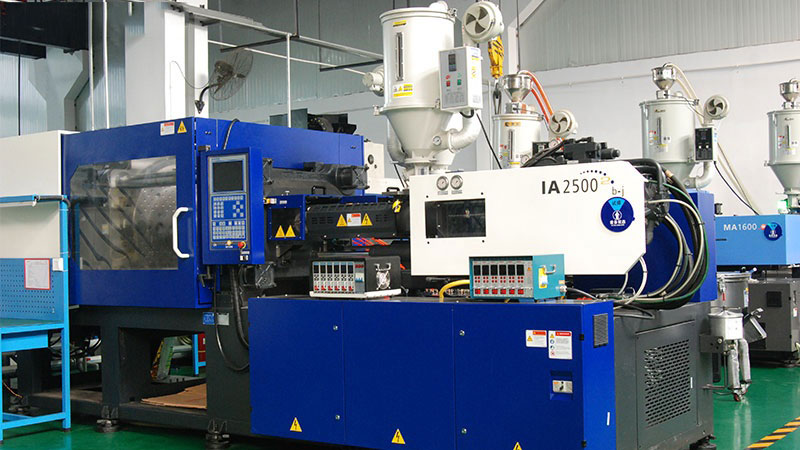
    The single greatest risk in importation is failing to thoroughly vet your partner. Supplier verification in 2026 goes beyond checking a business license. Start with a deep-dive into their technical capabilities. Request detailed case studies of past projects similar to your injection mold in complexity, material, and tolerance. Insist on a video conference factory tour—not a pre-recorded video—to observe shop floor organization, machinery (look for Swiss, German, or Japanese CNC, EDM, and mold-testing presses), and quality control stations in real-time. Crucially, ask for and contact past overseas clients. A reputable China mold factory will provide references. Additionally, consider commissioning a third-party verification report from inspection agencies like SGS or QIMA to validate their production capacity, quality management systems, and social compliance, forming a objective basis for your procurement decision.

    Mastering Technical Dialogue and RFQ Precision

    Clear technical communication prevents costly errors. When requesting a quotation (RFQ), your documentation must be impeccable. Provide not just a 3D model (STEP or IGS format), but a comprehensive technical specification sheet. This should include: material type (e.g., P20, H13, Stainless 420), cavity requirements, surface finish (SPI/VDI standards), tolerance levels, expected production volume, and part end-use. For injection molds, specify the molding machine parameters (tonnage, shot size) if known. During discussions, use annotated screenshots and video calls to clarify critical points. Employ project management tools like Trello or Asana to track design reviews (DFM reports are non-negotiable) and approval milestones. A professional manufacturer will proactively engage in this dialogue, highlighting potential issues and offering solutions, which is a strong indicator of expertise.

    Implementing Proactive Quality Control from DFM to Shipment

    Quality cannot be inspected into a mold; it must be built in. Your quality control protocol must start at the Design for Manufacturability (DFM) stage. Scrutinize the factory’s DFM report—it should detail gate locations, cooling line design, ejection plans, and suggestions for simplifying geometry to reduce cost and improve durability. Define and agree upon critical checkpoints: First Article Inspection (FAI) after machining, pre-assembly fitting reports, and most importantly, a sample molding trial. For injection molds, the Trial Run Report (T1) is vital. It should include data on process parameters, photos/videos of the molded parts, and dimensional measurement results against your CAD data. For high-value molds, plan for an in-person or third-party inspector’s visit during the T1 trial. Finally, clarify shipping protocols: molds should be preserved with anti-rust agents, securely packed in wooden crates, and accompanied by a complete set of documentation including 2D drawings, maintenance guides, and material certificates.

    Navigating Logistics, Payment, and Long-Term Partnership

    Finalizing the procurement involves structuring secure terms. For payment, avoid 100% upfront payments. A standard secure term is 30-50% deposit, 40-60% after pre-shipment inspection approval, and the balance potentially after successful trial at your facility. Use secure payment methods like Letter of Credit (L/C) or escrow services on B2B platforms for initial orders. For logistics, work with the manufacturer’s recommended freight forwarder or your own trusted agent. Understand Incoterms 2026 clearly—CIF is common, but FOB gives you more control over shipping costs and carriers. Ensure the mold is fully insured during transit. View this first project as the foundation for a long-term partnership. A reliable China mold factory becomes an extension of your R&D and production team, offering competitive advantages for future projects.

    Conclusion

    The search for “mold manufacturers near me” is, in essence, a search for competence, reliability, and value—attributes abundantly found in China’s specialized industrial basins. By redefining proximity through digital tools, executing meticulous supplier verification, mastering technical procurement dialogue, enforcing staged quality control, and structuring secure agreements, you transform the complexities of international buying into a strategic advantage. The landscape in 2026 demands a professional, process-driven approach. Following this guide equips you to not only import a mold but to cultivate a manufacturing partnership that delivers precision, quality, and competitive edge for years to come. Your ideal partner is not merely the closest geographically, but the most aligned technically and operationally with your vision.

    Work With Us

    As a professional China mold manufacturer, we provide one-stop mold solution for overseas buyers.
    📞 Phone: +86-18605944639
    💬 WhatsApp: +8618605944639
    🌐 Website: bestmoldworks.com
    📧 Email: [email protected]
  • custom plastic mould Manufacturerturers: Complete Procu 2026

    For overseas buyers, sourcing custom plastic injection molds from China remains a strategic decision to balance quality, innovation, and cost. However, the landscape is constantly evolving. The process extends far beyond a simple price comparison; it is a nuanced procurement journey requiring meticulous planning and execution. As we look toward 2026, succeeding in this arena demands updated strategies to navigate supplier networks, technological advancements, and quality paradigms. This guide provides a professional, actionable framework for overseas procurement teams to engage with Chinese custom plastic mould manufacturers effectively and confidently.

    The foundation of a successful import project lies in precise definition and communication. Before contacting any China mold factory, invest time in finalizing your product design. Utilize 3D CAD files (STEP or IGS formats are standard) and provide comprehensive, dimensioned 2D drawings. Clearly specify the material (e.g., ABS, PP, PC), expected annual volumes, cycle time targets, and cosmetic requirements (e.g., SPI finish standards). This technical package not only allows for accurate quoting but also immediately identifies manufacturers with the relevant expertise. A professional custom plastic mould manufacturer will review this data and engage in a technical dialogue, asking clarifying questions about gate locations, ejection, and cooling, rather than providing a price in isolation. This stage filters out low-capability workshops and aligns expectations from the outset.

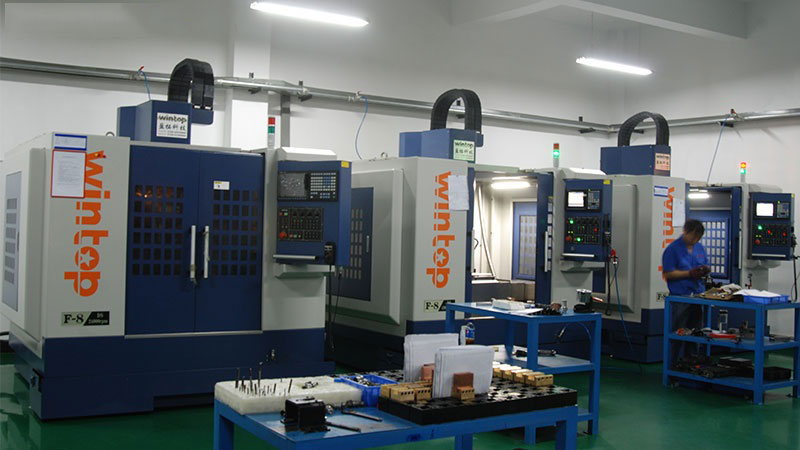
    With a clear specification in hand, supplier verification becomes your most critical task. Moving beyond Alibaba listings is essential. Utilize B2B platforms like Made-in-China.com but combine this with industry-specific directories and, importantly, verified referrals. Scrutinize potential partners by examining their portfolio for similar projects in size and complexity. Insist on a video tour of their facility; a reputable injection mold maker will readily showcase their CNC, EDM, and CMM machines. Verify their quality control processes—ask for documentation on their First Article Inspection (FAI) and Process Failure Mode and Effects Analysis (PFMEA) procedures. Check for relevant international certifications, but understand that while ISO 9001 is a baseline, it is the evidence of consistent project execution for overseas clients that truly matters. Diligence here mitigates the majority of procurement risks.

    A clear and legally robust contract is non-negotiable. The agreement must detail far more than just price and delivery. It should explicitly outline the technical specifications, milestones with deliverables (e.g., design review approval, T1 sample submission), payment terms tied to these milestones (e.g., 30% deposit, 40% after design approval, 30% after sample approval), and intellectual property ownership clauses. Crucially, define the sample approval process. Specify the number of sample iterations included, the criteria for approval (dimensional reports, material certificates, assembly tests), and who bears the cost of additional revisions. The contract should also address tool ownership and storage terms post-production. This document is not an expression of distrust but a professional framework that protects both parties and ensures a common understanding of the project pathway.

    Proactive quality control cannot be an afterthought; it must be integrated into the timeline. For significant investments, engaging a local third-party inspection company for key stages is highly advisable. Critical inspection points include the mold design review, steel material certification, and the initial sample (T1) evaluation. The inspection report should compare sample parts against the master 3D data, check for sink marks, flash, and proper function. Do not authorize mass production until samples are fully approved. Furthermore, discuss the mold trial process and ensure the China mold factory provides a complete Data Mold Sheet (DMS) or trial report detailing the machine parameters used. This document is vital for replicating the process in your home country and is a mark of a professional supplier.

    The final phase involves logistical planning and knowledge transfer. Ensure your Incoterms (e.g., FOB, EXW) are clearly understood to avoid unexpected charges. For the mold itself, professional wooden crate packaging is essential to prevent damage during ocean freight. For production parts, discuss packaging requirements to prevent deformation or scratching. Importantly, request a comprehensive set of deliverables upon project completion: the final 3D mold design, the DMS, maintenance manuals, and a spare parts list. Establishing a clear communication protocol for future mold maintenance or modifications with your chosen custom plastic mould manufacturer will extend the tool’s life and ensure long-term partnership value.

    Procuring custom plastic injection molds from China in 2026 requires a blend of technical clarity, rigorous verification, contractual precision, and embedded quality oversight. The goal is to transform a complex international transaction into a streamlined, predictable engineering partnership. By methodically executing each stage—from defining requirements to securing critical tooling data—overseas buyers can leverage the expertise and cost-effectiveness of Chinese manufacturing while maintaining full control over quality and project timelines. The most successful importers view their mold supplier not as a distant vendor but as a technical collaborator, forging relationships built on transparency and professional respect to drive product innovation and market success.

    Work With Us

    As a professional China mold manufacturer, we provide one-stop mold solution for overseas buyers.
    📞 Phone: +86-18605944639
    💬 WhatsApp: +8618605944639
    🌐 Website: bestmoldworks.com
    📧 Email: [email protected]
  • mould manufacturers in china: Ultimate Guide for Buyers 2026

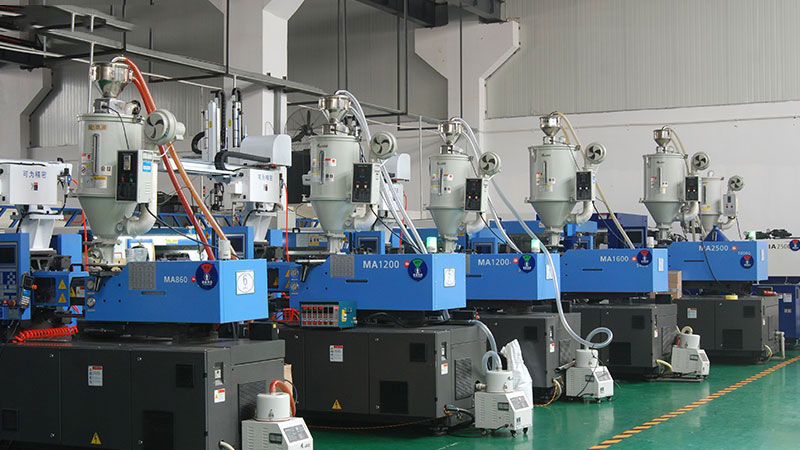
    For global businesses, sourcing tooling from China remains a strategic move to balance quality, innovation, and cost. However, navigating the vast landscape of suppliers can be daunting. This guide is designed for the professional overseas buyer, cutting through the noise to provide a clear, actionable framework for successfully partnering with **mould manufacturers in China** in 2026 and beyond. We will move beyond simple directory listings to focus on verification, communication, and quality assurance processes that protect your investment and ensure project success.

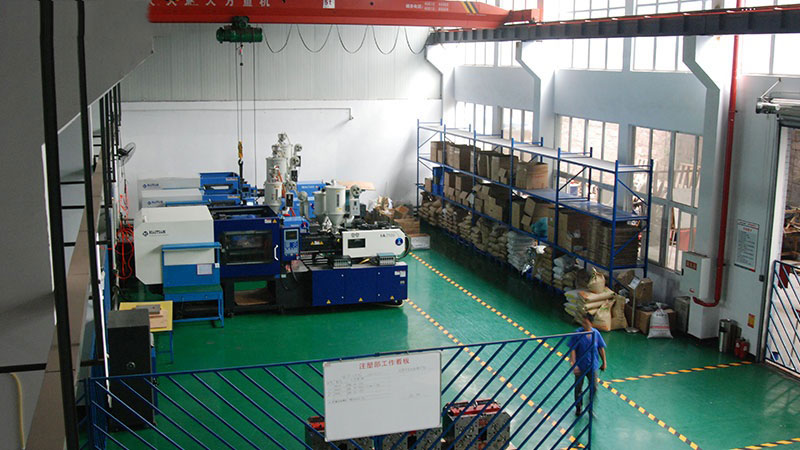
    The cornerstone of a successful import project is rigorous supplier verification. In 2026, due diligence goes far beyond checking a website. Start by verifying business licenses and export credentials. Utilize third-party inspection reports from agencies like SGS or Bureau Veritas, if available. Crucially, conduct a virtual factory audit. Reputable **China mold factory** operations expect this and can facilitate a live video tour. During this tour, observe the machinery—look for modern CNC, EDM, and injection molding machines—and the shop floor organization. Assess their engineering team’s capability by discussing past projects similar to yours in complexity and material. This step filters out trading companies masquerading as manufacturers and identifies partners with the technical depth for your specific needs, whether it’s a complex multi-cavity **injection mold** or a large-scale structural tool.

    Once a potential partner is identified, mastering the technical and commercial dialogue is critical. The most common pitfalls occur during the quotation and design review phase. Provide potential **mould manufacturers in china** with a comprehensive RFQ package: a detailed 3D model (STEP or IGS), 2D drawings with critical tolerances and surface finish callouts, material specifications for both the mold and the final part, and expected annual volumes. Be explicit about your standards—state whether you follow ISO, DIN, or SPI mold standards. During design review (DFM), engage deeply. A competent manufacturer will provide a detailed DFM report highlighting potential issues with wall thickness, gate locations, ejection, and cooling. Scrutinize this feedback; it is a direct indicator of their engineering expertise. Clear communication here prevents costly changes and delays later.

    Implementing a proactive quality control protocol is non-negotiable. Agree on a QC plan before order confirmation. This should include staged inspection points: material certification for mold steel (e.g., 718H, S136), first article inspection (FAI) reports after T1 sample, and dimensional reports using CMM data. For critical projects, plan for an independent pre-shipment inspection (PSI) at the factory. The inspector will check the mold’s functionality, part dimensions, and cosmetic appearance against your approved sample and drawings. Furthermore, discuss the mold trial process. Request a video of the trial run, showing part ejection, cycle time, and any manual interventions. This **quality control** regimen shifts the focus from final product inspection to process validation, ensuring the mold is built correctly from the outset.

    Understanding the total cost of ownership and managing logistics finalizes a professional **procurement** strategy. While unit price is important, evaluate the entire cost package: mold cost, sample cost, payment terms (e.g., 50% deposit, 40% before shipment, 10% after approval), warranty period (typically 12-18 months), and terms for warranty fulfillment. For logistics, Incoterms are vital. FOB Shenzhen is common, giving you control over shipping and insurance. Ensure the supplier provides a professional packing list, commercial invoice, and arranges safe, wooden-crate packaging for the mold. Consider the long-term relationship: a reliable partner for mold maintenance, repair, and future modifications is more valuable than a one-time low bid. Document all agreements in a clear, bilingual purchase contract covering IP protection, confidentiality, and liability.

    The journey of importing molds from China in 2026 demands a blend of technological savvy and disciplined process management. The market is mature, and the best **mould manufacturers in china** are highly professional, but they expect the same from their clients. By executing thorough supplier verification, engaging in detailed technical collaboration, enforcing staged quality control, and structuring clear commercial terms, you transform **procurement** from a transactional cost-center into a strategic competitive advantage. The ultimate goal is to build a partnership with a **China mold factory** that delivers not just a tool, but reliability, innovation, and value for years to come. Start your next project with this framework, and you will navigate the complexities with confidence and clarity.

    Work With Us

    As a professional China mold manufacturer, we provide one-stop mold solution for overseas buyers.
    📞 Phone: +86-18605944639
    💬 WhatsApp: +8618605944639
    🌐 Website: bestmoldworks.com
    📧 Email: [email protected]
  • custom injection molding parts: Best Suppliers & Qualit 2026

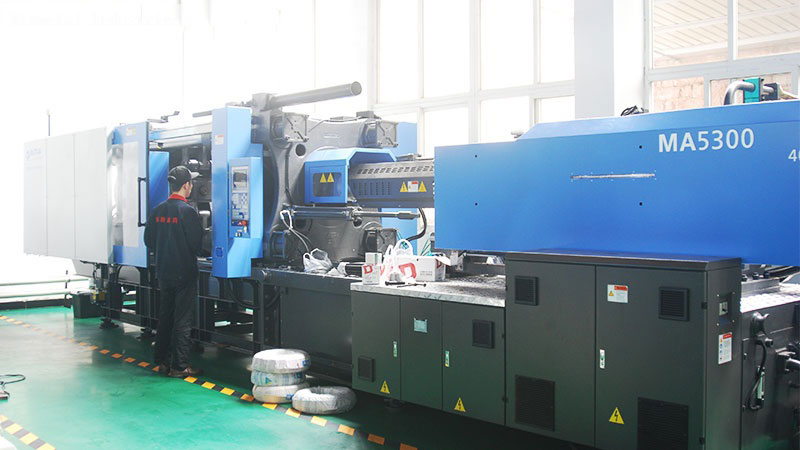
    For overseas buyers and product developers, sourcing custom injection molding parts from China remains a cornerstone strategy for achieving cost efficiency and scaling production. However, the landscape in 2026 is defined not just by competitive pricing, but by a sharp focus on technological sophistication, supply chain resilience, and verifiable quality. Navigating this terrain to identify the best suppliers and ensure superior quality requires a modern, diligent approach. This guide provides actionable insights to help you procure high-performance injection molds and parts with confidence, turning the complexity of overseas procurement into a competitive advantage.

    The foundation of successful procurement lies in precise supplier verification. Moving beyond basic online directories, a rigorous vetting process is non-negotiable. Start by identifying a China mold factory with demonstrable expertise in your specific industry, whether automotive, medical, consumer electronics, or packaging. Scrutinize their technical capabilities: do they offer design for manufacturability (DFM) analysis, utilize advanced simulation software for mold flow, and have experience with the material grades you require? Essential verification steps include reviewing detailed case studies, insisting on virtual or recorded factory tours of their production floor, and validating business licenses and export history. In 2026, a reputable supplier will be transparent and proactive in providing this information, viewing your audit as a step toward partnership.

    Once a potential partner is identified, mastering the technical and commercial dialogue is critical. The quotation phase is your first real test of a supplier’s professionalism. Be wary of abnormally low quotes, which often signal corner-cutting on steel quality, component standards, or process rigor. Provide comprehensive and unambiguous data: 3D CAD files (STEP or IGS), material specifications, expected annual volumes, and clear critical-to-quality dimensions. A competent supplier will respond not just with a price, but with a preliminary DFM report highlighting potential issues in part design that could affect mold longevity, part quality, or cycle time. This collaborative problem-solving at the quotation stage separates true engineering partners from simple job shops. Discuss and agree on the mold steel grade (e.g., P20, H13, stainless for medical), cavity polish standards, and the lifecycle expectations for the tool.

    Implementing a robust quality control framework from the outset is what separates successful long-term imports from costly failures. Your agreement must explicitly define quality protocols. For the injection mold itself, this includes stipulating milestone inspections: a First Article Inspection (FAI) after mold trial, with comprehensive dimensional reports using CMM (Coordinate Measuring Machine) data. For ongoing production of custom injection molding parts, specify the frequency and sampling plan for inspections, often following AQL (Acceptable Quality Level) standards. Many leading buyers now employ third-party quality inspection services in China for impartial validation at critical stages—after the first trial shot, pre-shipment, and during full production runs. Clearly document all specifications in a Technical Data Sheet that is part of the purchase order, leaving no room for interpretation on tolerances, surface finishes, or cosmetic standards.

    Building a sustainable partnership extends beyond the initial order. The best suppliers in 2026 view themselves as integral links in your supply chain. Evaluate their communication efficiency, project management structure, and willingness to sign formal agreements covering intellectual property (IP) protection—a paramount concern. Discuss their capacity for future scalability and their approach to mold maintenance and repair. A reliable partner will provide proper mold storage and offer proactive support for spare components. Furthermore, assess their adaptability to evolving trends, such as their capability for sustainable manufacturing practices or production of lightweight, complex parts. This long-term perspective ensures that your investment in custom injection molding parts yields consistent value, reduces total cost of ownership, and mitigates the risk of production disruptions.

    In conclusion, securing the best suppliers and guaranteeing top quality for your custom injection molding parts from China in 2026 is a systematic process built on diligence, clear communication, and strategic partnership. It begins with forensic supplier verification, thrives on detailed technical collaboration, is secured by ironclad quality control measures, and matures through a focus on long-term reliability. By adopting this professional framework, overseas buyers can confidently leverage China’s manufacturing excellence. The goal is no longer to find the cheapest option, but to build a resilient, quality-driven supply chain that delivers precision, value, and innovation directly to your production line.

    Work With Us

    As a professional China mold manufacturer, we provide one-stop mold solution for overseas buyers.
    📞 Phone: +86-18605944639
    💬 WhatsApp: +8618605944639
    🌐 Website: bestmoldworks.com
    📧 Email: [email protected]
  • custom plastic mold cost: Expert Tips & Solutions 2026

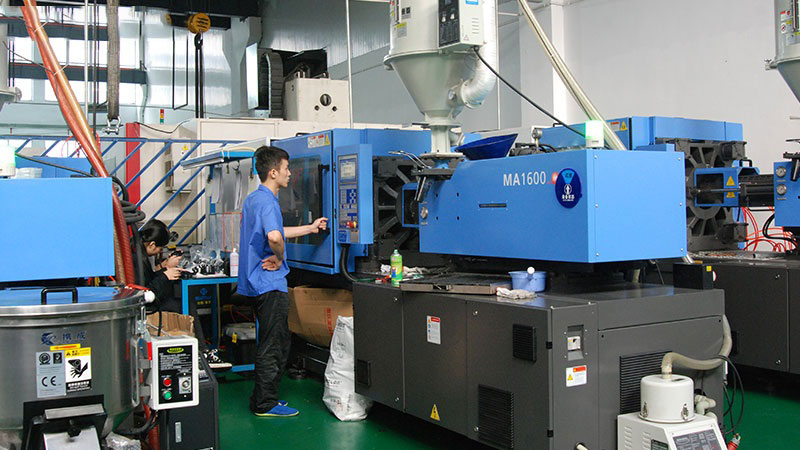
    Navigating the landscape of custom plastic mold manufacturing in China presents a significant opportunity for overseas buyers to achieve substantial cost savings and access world-class engineering. However, the journey from concept to a high-quality, cost-effective injection mold is fraught with complexities. A clear understanding of the factors influencing custom plastic mold cost is not just about getting the lowest price; it’s about securing the best value and ensuring a successful, scalable production run. This guide for 2026 provides actionable, expert-driven strategies to help you procure reliably, mitigate risks, and build a profitable partnership with a China mold factory.

    The foundation of an accurate and fair custom plastic mold cost lies in the precision and completeness of your initial request. Vague inquiries inevitably lead to misinterpretation and pricing discrepancies. To streamline the procurement process, you must provide a comprehensive package. This includes detailed 3D CAD files (STEP or IGS format), 2D drawings with critical tolerances, material specifications for the final plastic part, expected annual volumes, and cosmetic requirements. The more information you supply, the more accurate the quotation will be. A professional China mold factory will analyze this data to determine mold complexity, required steel grade, cavity count, and cooling system design—all primary cost drivers. Presenting a clear, detailed brief separates serious buyers from casual inquiries and sets the stage for a transparent costing discussion.

    Once you receive quotations, the critical phase of supplier verification begins. The lowest custom plastic mold cost can be the most expensive mistake if it comes from an unqualified vendor. In 2026, due diligence goes beyond a website check. Start by verifying business licenses and requesting a virtual or recorded factory tour to assess machinery, workshop organization, and quality control stations. Crucially, ask for and contact references from existing overseas clients. Inquire about their experience with communication, problem-solving, and post-sales support. Examine their portfolio for molds similar in size and complexity to your project. A reputable injection mold supplier will be transparent and proactive during this stage. This verification process is your primary defense against substandard work, delays, and hidden costs that inflate the total cost of ownership.

    A sophisticated approach to cost management involves strategic collaboration on mold design for manufacturability (DFM). Before finalizing the design and locking in costs, insist on a formal DFM report from your shortlisted China mold factory. Their engineers may identify opportunities to simplify the mold structure without compromising part function, such as suggesting slight draft angle adjustments, optimizing wall thickness, or repositioning parting lines. These changes can significantly reduce machining time and mold complexity. Furthermore, discuss your long-term production plans. While a single-cavity mold has a lower upfront cost, a multi-cavity mold, though more expensive initially, drastically reduces per-part cost at higher volumes. An expert partner will help you analyze the break-even point, turning the procurement decision from a simple price comparison into a strategic investment calculation.

    The final, non-negotiable pillar of controlling your effective mold cost is implementing rigorous, staged quality control. Agree on a milestone-based inspection protocol before order placement. This typically includes a First Article Inspection (FAI) report when the mold is first sampled, using coordinate measuring machines (CMM) data to verify critical dimensions against your drawings. Additionally, schedule an Initial Sample Inspection (ISR) for the first production-run parts. For high-value molds, consider engaging a third-party quality control agency within China to conduct an on-site Trial Run Test (TRT), where they witness sampling, document process parameters, and check part performance. This proactive quality control strategy prevents costly rework, shipping delays, and production stoppages after the mold has been delivered to your injection molding facility. It ensures the mold you paid for is the mold you receive.

    Successfully importing molds from China in 2026 demands a shift from a purely price-focused mindset to a value and partnership-driven approach. By mastering the details of your request, conducting thorough supplier verification, collaborating on DFM, and enforcing stringent quality control, you transform the procurement process from a risky venture into a competitive advantage. The true measure of success is not merely the initial price on the invoice, but the reliability, performance, and longevity of the injection mold throughout its lifecycle. By applying these expert tips, you position yourself to secure not only a competitive custom plastic mold cost but also a foundation for efficient, high-quality plastic part manufacturing for years to come.

    Work With Us

    As a professional China mold manufacturer, we provide one-stop mold solution for overseas buyers.
    📞 Phone: +86-18605944639
    💬 WhatsApp: +8618605944639
    🌐 Website: bestmoldworks.com
    📧 Email: [email protected]

  • plastic injection mould Manufacturerturer in China: Ex 2026

    For overseas businesses, sourcing a reliable plastic injection mould manufacturer in China remains one of the most strategic decisions to achieve cost efficiency and scale production. The landscape is vast, competitive, and constantly evolving. As we look towards 2026, the challenges are not merely about finding a low-cost supplier but about identifying a competent, technologically advanced, and transparent manufacturing partner. This guide cuts through the noise to provide actionable, real-world strategies for your procurement success, helping you navigate supplier verification, stringent quality control, and build a supply chain that is both resilient and high-performing.

    Mastering Supplier Verification Beyond Alibaba

    The initial search on B2B platforms is a starting point, not the finish line. In 2026, due diligence must be deeper and more systematic. Begin by verifying the China mold factory’s business license via official Chinese government portals to confirm its legal entity status. Scrutinize their digital footprint: a professional, detailed website with engineering-focused content, active technical blogs, and case studies speaks volumes more than a generic product listing. Request virtual factory tours via video call; a reputable supplier will readily showcase their workshop floor, machinery brands (e.g., Haitian, Engel, or Sodick EDMs), and cleanroom environments. Crucially, ask for and contact past overseas clients. Speaking directly with a European or North American buyer about their on-the-ground experience with communication, problem-solving, and post-sales support provides invaluable, unfiltered insight that no sales brochure can offer.

    Defining Specifications and T1 Samples with Military Precision

    Ambiguity is the root cause of most mold failures and cost overruns. Your technical data package (TDP) must be exhaustive. Beyond 3D CAD files (STEP or IGES), provide a fully detailed 2D drawing with GD&T (Geometric Dimensioning and Tolerancing), clearly specifying critical dimensions, surface finish requirements (SPI standards), mold material grades (e.g., P20, H13, S136), and expected cavitation. Define the plastic resin, including color and filler (e.g., 30% glass fiber), as it drastically affects mold wear and gating design. The T1 sample approval process is your most critical quality control checkpoint. Establish a formal, signed sample approval procedure upfront. Upon receiving T1 samples, conduct a First Article Inspection (FAI) against your drawings, perform functional tests, and measure critical dimensions with CMM if possible. Document all deviations meticulously. A professional plastic injection mould manufacturer in China will expect and respect this rigor, viewing it as a sign of a serious, long-term partner.

    Implementing In-Process Quality Control, Not Just Final Inspection

    Relying solely on a final pre-shipment inspection (PSI) is a high-risk strategy for a high-value tool like an injection mold. The real quality is built during the manufacturing process. Insist on milestone inspections held at the China mold factory. Key stages include: after mold design review (DFM report), after rough machining, after heat treatment (with hardness test reports), after EDM and finishing, and finally, during the trial run. For each stage, require digital evidence—photos and videos of the mold components with measurement gauges. Partner with a reputable third-party quality inspection firm based in the industrial region where your supplier is located. Their engineers can conduct these in-process checks, verify material certificates, and ensure critical steps like mold flow analysis were actually performed and adhered to. This proactive approach prevents costly rework and delays by catching issues early.

    Navigating Logistics, IP Protection, and Total Cost of Ownership

    The commercial and legal framework is as important as the technical one. Use Incoterms 2020 precisely—FOB Shanghai is often the most balanced choice, giving you control over the shipping line and insurance once the mold leaves the factory. For Intellectual Property (IP), a well-drafted NNN Agreement (Non-Use, Non-Disclosure, Non-Circumvention) under Chinese law is more effective than a standard Western NDA. It must be in Chinese, governed by Chinese law, and stipulate jurisdiction in a Chinese court. Regarding cost, look beyond the initial mold quote. Calculate the Total Cost of Ownership (TCO), which includes the mold price, per-part piece price, maintenance costs, expected mold life (number of shots), and ease of repair. A slightly higher initial investment in a better steel grade or more robust cooling design from a qualified supplier can yield massive savings in part cost and mold longevity over 500,000 cycles.

    Building a Partnership for 2026 and Beyond

    The most successful import relationships in 2026 will be framed as partnerships, not transactional purchases. Seek a manufacturer who demonstrates engineering initiative, suggests design for manufacturability (DFM) improvements, and shows willingness to invest in new technologies like conformal cooling or Industry 4.0 integration in their workshop. Clear, consistent communication is paramount; establish a single point of contact on both sides who possesses both technical and English language skills. Utilize collaborative platforms for sharing drawings and updates. View your first mold project as a pilot. Its smooth execution paves the way for transferring your entire injection mold portfolio, creating a strategic asset that drives your product innovation and market competitiveness for years to come.

    Conclusion

    Importing molds from China in 2026 demands a sophisticated blend of technical diligence, proactive quality control, and strategic partnership building. The goal is to move from being an overseas buyer to a valued client of a capable plastic injection mould manufacturer in China. By implementing rigorous supplier verification, enforcing in-process inspections, protecting your IP legally, and calculating true total costs, you mitigate the inherent risks. The result is not just a well-made tool, but a reliable, scalable, and competitive manufacturing extension of your own business, delivering quality plastic parts consistently and enabling your growth in the global marketplace.

    Work With Us

    As a professional China mold manufacturer, we provide one-stop mold solution for overseas buyers.
    📞 Phone: +86-18605944639
    💬 WhatsApp: +8618605944639
    🌐 Website: bestmoldworks.com
    📧 Email: [email protected]

  • injection mold manufacturers near me: Complete Procurem 2026

    For overseas buyers, the search for “injection mold manufacturers near me” often ends with the realization that the most competitive expertise, capacity, and value lie not locally, but across the globe. The true strategic move in 2026 is not to limit your geographic scope but to master the procurement process from the world’s manufacturing hub. This guide is your actionable blueprint for successfully sourcing and importing high-quality injection molds from China, transforming a complex international endeavor into a streamlined and controlled operation.

    The initial search phase is critical. Moving beyond simple online directories is key. Start by leveraging industry-specific B2B platforms like Alibaba, Made-in-China, and Global Sources, but use advanced filters: look for suppliers with “Gold Supplier” status, assessed on-site verification badges, and, most importantly, those who specialize in your industry niche. A China mold factory experienced in automotive components may not be the best fit for precision medical parts. Simultaneously, conduct a deep-dive into professional networks and trade associations. Referrals from within your industry are invaluable. Once you have a longlist, initiate contact with a detailed RFQ (Request for Quotation). This document should be more than just a request for price; it should include part drawings, material specifications, expected annual volumes, tolerance requirements, and desired mold life. The professionalism and comprehensiveness of a supplier’s response to your RFQ is your first real filter for separating serious partners from order-takers.

    Supplier verification is the non-negotiable step that mitigates your greatest risk. In 2026, virtual tools have made this more accessible, but they cannot replace thorough due diligence. Begin with a company background check using official Chinese business registration databases to confirm legal entity status and registered capital. Next, insist on a live video audit of the facility. A reputable injection mold manufacturer will readily agree to a virtual tour, allowing you to inspect their workshop, machinery (look for CNC, EDM, and CMMS equipment), mold trial areas, and quality control stations. Request to see past project samples similar to yours and ask for contact information of existing overseas clients. Speaking directly to a buyer in your region provides unparalleled insight into communication reliability, after-sales support, and the true performance of the molds in production. This stage is about building evidence of capability and reliability.

    Securing quality begins at the design stage and is contractually enforced. Before steel is cut, ensure all 2D and 3D mold designs are reviewed and approved, with clear agreement on gate locations, ejection systems, and cooling channels. Your purchase order must be accompanied by a detailed technical agreement that spells out every specification: mold steel grade and hardness (e.g., pre-hardened 718H or hardened S136), cavity surface finish, part tolerances, and the protocol for sampling. Stipulate a First Article Inspection (FAI) report based on initial mold trials. The most effective quality control strategy employs a multi-stage inspection process. Engage a trusted third-party inspection company in China to conduct a Data-Pre-Shipment Inspection (DPI) when the mold is 80% complete, checking critical dimensions and functions, and a Final Random Inspection (FRI) upon completion before shipment. This independent verification provides an objective assessment and prevents costly surprises upon arrival at your facility.

    The final stages of procurement—logistics, payment, and partnership—require foresight. Discuss Incoterms clearly; FOB (Free On Board) is common, giving you control over shipping and insurance. Ensure the China mold factory provides a complete set of documentation: commercial invoice, packing list, bill of lading, and, crucially, the mold design drawings and maintenance manual. For payment, a secure, staggered structure is standard: 30-50% deposit, 40-60% after pre-shipment approval, and sometimes a 10% retention after successful trial at your location. Utilize secure payment channels like Letters of Credit or escrow services offered by B2B platforms. Finally, view this not as a transaction but as a partnership. A reliable injection mold supplier is a long-term asset. Clear, consistent communication, fair negotiation, and a collaborative approach to solving technical challenges will build a relationship that yields consistent quality, priority service, and competitive pricing for future projects.

    In conclusion, the modern answer to “injection mold manufacturers near me” is a proficient, process-driven approach to engaging with top-tier partners in China. The 2026 procurement landscape demands a shift from mere price comparison to a comprehensive system of verification, contractual clarity, and layered quality control. By methodically executing the steps of targeted sourcing, rigorous verification, disciplined quality management, and strategic logistics planning, you transform geographic distance into a competitive advantage. The goal is not just to import a mold, but to establish a reliable extension of your manufacturing capability, ensuring your product quality and supply chain resilience for years to come.

    Work With Us

    As a professional China mold manufacturer, we provide one-stop mold solution for overseas buyers.
    📞 Phone: +86-18605944639
    💬 WhatsApp: +8618605944639
    🌐 Website: bestmoldworks.com
    📧 Email: [email protected]

  • injection mold factory china: Ultimate Guide for Buyers 2026

    For global businesses, from ambitious startups to established OEMs, partnering with an injection mold factory in China remains a cornerstone strategy for achieving cost-effective, scalable manufacturing. The potential for significant savings and access to advanced technical capabilities is immense. However, the landscape is nuanced. The core challenge for overseas buyers in 2026 is not merely finding a manufacturer, but efficiently identifying and collaborating with a truly reliable partner. This guide cuts through the noise to provide a structured, actionable framework for your procurement journey, helping you mitigate risks and secure a return on investment that goes beyond the initial price quote.

    The foundation of a successful import project is built long before the first steel block is cut. It begins with meticulous supplier verification. In the digital age, a China mold factory can present a highly polished online facade. Your first task is to validate this image. Start with a deep dive into their digital footprint: scrutinize their website for detailed case studies, technical blogs, and equipment lists. Platforms like Alibaba are starting points, but prioritize suppliers with verified onsite check reports and video audits. Crucially, move beyond the platform to conduct independent due diligence. Use Chinese business registry checks to confirm legal entity status, capital, and operational history. Request a virtual factory tour via video call in real-time; a reputable injection mold factory will readily showcase their shop floor, quality control stations, and ongoing projects. This step filters out trading companies masquerading as manufacturers and confirms the supplier’s actual capabilities.

    Once you have a shortlist of verified potential partners, the focus shifts to technical and commercial clarity. The single most critical document is your Request for Quotation (RFQ). A vague RFQ invites misunderstandings and inaccurate quotes. Provide a comprehensive package including a detailed 3D product model (STEP or IGS), 2D drawings with critical dimensions and tolerances clearly marked, material specifications (grade and supplier if possible), and expected annual volumes. For the mold itself, specify requirements on steel grade (e.g., P20, H13, S136), mold life expectancy (number of shots), cavity count, and any special surface finishes. Transparency here allows the injection mold factory to provide a comparable and accurate quotation. When quotes arrive, analyze them beyond the bottom line. Scrutinize the breakdown: steel cost, machining hours, standard components, and profit margin. A professional quote will detail each phase, from design review to T1 sample delivery. This clarity prevents hidden costs from emerging later and establishes a benchmark for professional communication.

    The true test of a China mold factory lies in its commitment to systematic quality control, not as an afterthought but as an integrated process. In 2026, leading manufacturers employ a “Quality Gate” system throughout the mold-making journey. Discuss and agree upon these checkpoints upfront. Key stages include a Design for Manufacturability (DFM) review before machining begins, a First Article Inspection (FAI) report for mold components, and a pre-shipment sample approval process. Inquire about their measurement equipment—a factory investing in CMMs, 3D scanners, and mold flow analysis software is investing in precision. For high-stakes projects, consider engaging a local third-party quality inspection service for critical milestones, such as the initial sample approval. This independent verification provides an objective assessment of workmanship and dimensional accuracy. Remember, effective quality control is a collaborative effort; your clear specifications and their disciplined process must align.

    Navigating the logistical and financial complexities of international procurement is the final, practical hurdle. A professional partner will guide you through Incoterms. For mold procurement, EXW (Ex Works) or FOB (Free On Board) are common. EXW gives you maximum control over shipping but requires you to manage the entire process from their factory gate. FOB is often simpler, where the supplier handles delivery to the port and you manage the main ocean freight. Ensure you understand all costs: mold cost, shipping, insurance, and import duties in your country. Financially, payment terms are a key negotiation point and a trust signal. A standard, balanced structure might be 30-40% deposit, 40-50% after T1 sample approval, and the balance before shipment. Never pay 100% upfront. Use secure payment methods like bank transfers (T/T) or Letters of Credit (L/C) for larger orders. Finally, discuss post-sales support. What is their policy on mold modification? How do they handle wear and tear or damage? A reliable supplier will offer a clear warranty period and support for maintenance.

    Successfully importing an injection mold from China is a strategic process that rewards diligence, clear communication, and a partnership mindset. The landscape in 2026 demands that overseas buyers move beyond price-centric sourcing to value-driven collaboration. By implementing a rigorous supplier verification protocol, demanding technical transparency, insisting on integrated quality control systems, and managing logistics with clear agreements, you transform procurement from a risky venture into a competitive advantage. The ultimate goal is to build a relationship with a China mold factory that understands your quality standards and becomes a seamless extension of your production team. With this structured approach, you are equipped to unlock the full potential of Chinese manufacturing, ensuring your investment delivers precision, reliability, and long-term value to your business.

    Work With Us

    As a professional China mold manufacturer, we provide one-stop mold solution for overseas buyers.
    📞 Phone: +86-18605944639
    💬 WhatsApp: +8618605944639
    🌐 Website: bestmoldworks.com
    📧 Email: [email protected]