Category: Custom molds for resin

  • custom plastic injection molding near me: Complete Pr 2026

    For overseas buyers and product developers, the search for “custom plastic injection molding near me” often reveals a challenging reality: high local costs, limited capacity, or extended lead times that can stifle innovation and profitability. This localized search, while logical, frequently leads to a strategic pivot—looking across the globe to China’s manufacturing ecosystem. The true opportunity lies not in finding a nearby factory, but in mastering the procurement process from specialized China mold factories. This 2026 guide is designed to transform that complex international endeavor into a structured, successful, and secure sourcing operation. We move beyond simple supplier lists to provide a actionable framework for engaging with Chinese mold makers, ensuring you receive high-quality injection molds that meet exact specifications, on time and on budget.

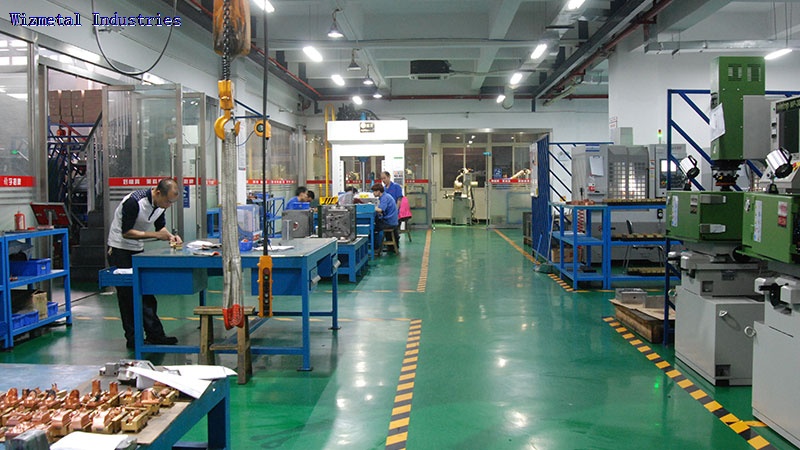
    The foundational step in your procurement journey is comprehensive supplier verification. In 2026, due diligence goes far beyond checking a website. Start with deep digital reconnaissance. Utilize B2B platforms but scrutinize supplier claims through video verification tours of their facility, examining machinery brands and condition. Request and contact a detailed list of past international clients, specifically those in your region or industry. Verify business licenses through third-party services and insist on speaking directly with the project engineer who will handle your mold, not just a sales representative. This phase is critical to separate true manufacturing partners from trading companies or under-resourced workshops. A verified China mold factory with transparent operations and proven export experience is your first and most crucial filter for risk reduction.

    Once a potential partner is identified, the focus shifts to precision in technical communication and intellectual property protection. The phrase “custom plastic injection molding near me” implies a desire for close collaboration, which must be recreated digitally across time zones. Develop a comprehensive and unambiguous Request for Quotation package. This must include not just a 3D CAD file, but also detailed technical drawings with GD&T tolerances, material specifications, expected annual volumes, cavity requirements, and surface finish samples. For IP protection, prior to sending full designs, execute a legally-binding Non-Disclosure Agreement tailored to Chinese jurisdiction and consider filing for a design patent in China. During discussions, insist on a Design for Manufacturability review where the factory’s engineers suggest optimizations for mold flow, cooling, and part ejection. This collaborative, documented approach aligns expectations and builds a foundation for quality before steel is ever cut.

    The core of a successful import strategy is a robust, multi-stage quality control protocol integrated throughout the mold manufacturing process. Proactive inspection beats reactive problem-solving every time. Mandate milestone inspections at critical stages: after material procurement for the mold steel, after rough machining, after heat treatment, and most importantly, during the First Article Inspection and Trial Run. Partner with a reputable third-party quality control agency based in the factory’s region to conduct these inspections on your behalf. They will verify dimensions using CMM reports, test mold functionality, and produce initial sample parts for your approval. This process allows for corrections at the source, preventing the costly and time-consuming discovery of defects upon arrival at your doorstep. A reliable supplier will welcome this structured QC engagement as a sign of professional procurement.

    Navigating logistics, cost structuring, and post-delivery support is the final, practical hurdle. Understand Incoterms 2020 thoroughly; FOB is common, but for simplicity, consider CFR or DDP to manage shipping and customs clearance. Ensure your quotation includes a clear breakdown: mold cost, separate per-unit part price, trial run fees, packaging, and documentation. Discuss mold ownership and storage—the physical mold should remain your property, with clear terms for its storage at the factory. Finally, establish protocols for post-production support. This includes the process for requesting mold modifications, repairing wear and tear, and producing spare parts in future years. A trustworthy supplier views the initial injection mold as the start of a long-term partnership, not a one-time transaction.

    In conclusion, the modern solution to the “custom plastic injection molding near me” challenge is a meticulously managed international procurement process. By 2026, success is defined not by geographical proximity, but by procedural excellence. From rigorous supplier verification and protected technical collaboration to embedded quality control and clear logistical planning, each step you master significantly de-risks your investment. The goal is to make your distant China mold factory feel like a transparent and reliable extension of your own operations. Embrace this structured approach, and you unlock the unparalleled combination of cost-effectiveness, scalability, and technical capability that defines China’s custom injection molding industry, driving your product’s success in the global marketplace.

    Work With Us

    As a professional China mold manufacturer, we provide one-stop mold solution for overseas buyers.
    📞 Phone: +86-18605944639
    💬 WhatsApp: +8618605944639
    🌐 Website: bestmoldworks.com
    📧 Email: [email protected]
  • injection mold: Best Suppliers & Quality Control 2026

    For overseas buyers, procuring a high-quality injection mold from China remains one of the most impactful decisions for product development and manufacturing. The potential for significant cost savings and access to advanced technical expertise is compelling. However, the journey from concept to a perfect, production-ready mold is fraught with challenges, primarily centered on identifying the best partners and ensuring uncompromising quality control. This guide for 2026 cuts through the noise, offering a professional, actionable framework to secure a reliable China mold factory and implement a robust quality assurance protocol from day one.

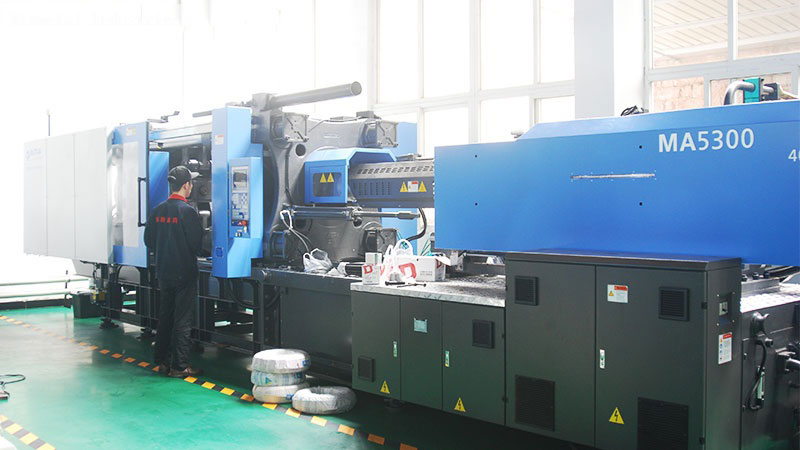
    The cornerstone of a successful procurement project is thorough supplier verification. Moving beyond simple Alibaba listings or price comparisons is non-negotiable. Begin by categorizing potential China mold factories by their core competency: are they prototyping specialists, high-volume production experts, or masters of a specific material like optical-grade or engineering plastics? For 2026, due diligence must include a virtual audit. Request and scrutinize a detailed company profile, but go further. Demand a live video tour of their facility. Observe their machinery—are injection molding machines and EDM equipment modern and well-maintained? Assess their workshop organization; cleanliness and order often correlate with operational discipline. Crucially, ask for at least five verifiable references from clients in your region or industry, and contact them. Inquire not just about mold quality, but about communication, problem-solving, and adherence to timelines. This initial deep dive filters out unqualified workshops and aligns you with partners whose capabilities match your specific injection mold requirements.

    Once a shortlist is established, the technical and commercial discussion phase becomes your next quality gate. A professional China mold factory will not simply quote a price based on a 3D file. They will engage in a Design for Manufacturability (DFM) review. Expect and require a formal DFM report that highlights potential issues in your part design—such as wall thickness, sink marks, gate locations, and ejection—before steel is ever cut. This collaborative step is where significant cost and time are saved. The quotation itself should be transparent, breaking down costs for mold base, cavity and core machining, hot runner system (if applicable), fittings, and trials. Be wary of suspiciously low bids; they often signal the use of substandard materials, outdated machining, or hidden costs later. Clearly define payment terms linked to milestones (e.g., 30% upon order, 40% after T1 sample approval, 30% before shipment), never 100% upfront. This structure protects your investment and incentivizes timely progress.

    Implementing staged quality control checkpoints is the most effective strategy to prevent costly surprises. A passive “wait for the sample” approach is high-risk. Instead, mandate a documented Quality Control Plan (QCP) agreed upon before the project starts. Key stages should include: a material certificate review for the chosen mold steel (e.g., H13, S136), pre-shipment photos of the finished mold cavity with critical dimensions measured, and most importantly, a First Article Inspection (FAI) during the mold trial. For 2026, leverage technology. Insist on a live video stream of the T1 sample trial. Observe the molding process, part ejection, and discuss adjustments in real-time. The approved sample parts, along with a signed inspection report and full mold data (including 2D drawings and 3D files), must be contractually required deliverables before final payment. This phased approach ensures every step of the injection mold construction is visible and verifiable.

    Managing logistics and protecting intellectual property are final, critical considerations. Discuss Incoterms 2020 explicitly—FOB is commonly preferred, as it transfers risk and control to you once the mold is loaded on the vessel. Ensure the supplier professionally prepares the mold for shipping: proper preservation, rust prevention, and secure packing in a custom wooden crate. For IP protection, a well-drafted Non-Disclosure Agreement (NDA) and Product Confidentiality Agreement are essential. However, in practice, splitting the mold manufacturing across two different, non-affiliated factories—one for the mold base and another for the detailed cavity/core work—can provide an additional layer of security. Choose a partner whose reputation and business model are built on long-term client relationships, not short-term replication. A trustworthy supplier understands that protecting your design secures future business and their standing in the global market.

    The landscape for sourcing an injection mold from China in 2026 is defined by strategic partnership and proactive oversight. The goal is not merely to find the lowest cost, but to build a collaborative relationship with a China mold factory that acts as an extension of your engineering team. By executing rigorous supplier verification, demanding transparent technical collaboration, enforcing staged quality control checkpoints, and securing your assets, you transform the procurement process from a transactional risk into a competitive advantage. The result is a precision injection mold that delivers flawless parts, accelerates your time-to-market, and provides a strong return on investment for years of production to come.

    Work With Us

    As a professional China mold manufacturer, we provide one-stop mold solution for overseas buyers.
    📞 Phone: +86-18605944639
    💬 WhatsApp: +8618605944639
    🌐 Website: bestmoldworks.com
    📧 Email: [email protected]
  • custom plastic injection mold manufacturer: Expert Tips 2026

    Navigating the landscape of manufacturing in China presents a significant opportunity for cost-efficiency and scalability, particularly for custom plastic injection molds. However, for overseas buyers, the process involves more than just finding a low quote. It demands a strategic approach to supplier selection, communication, and quality assurance to transform your design into a precision tool that produces flawless parts for years. This guide provides expert, actionable tips for 2026, designed to help you mitigate risks and build a successful partnership with a reputable custom plastic injection mold manufacturer.

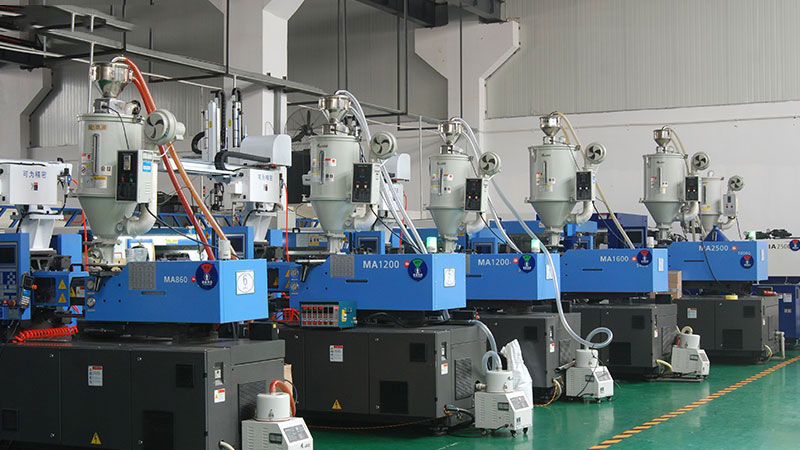
    The cornerstone of a successful import project is thorough supplier verification. Moving beyond a simple website check or Alibaba storefront is non-negotiable. Begin by requesting a detailed company profile that includes years in operation, primary industries served, and machine list with tonnage and brand specifications. A professional China mold factory should readily provide this. Crucially, insist on a video conference facility tour. A live walkthrough of their shop floor allows you to assess cleanliness, organization, machine maintenance, and the skill level of technicians in real-time. Verify their business licenses and, for higher-value projects, consider using a third-party verification service to confirm legal and operational standing. This step filters out trading companies masquerading as manufacturers and identifies partners with genuine capability.

    Once potential partners are vetted, mastering the technical and commercial discussion is key. Provide potential suppliers with a comprehensive RFQ package including a 3D model, 2D drawings with critical dimensions and tolerances clearly marked, material specifications, expected annual volumes, and a target part quality standard. This allows for accurate and comparable quotations. When reviewing quotes, look beyond the bottom-line mold price. Scrutinize the breakdown: steel grade, number of cavities, hot runner system brand, mold flow analysis inclusion, and payment terms. A transparent quote from a professional custom plastic injection mold manufacturer will detail these elements. Discuss and agree upon a formal project timeline with clear milestones for design review, mold fabrication, sampling, and delivery. This structured approach sets professional expectations from the outset.

    Proactive quality control integrated throughout the mold-making process is what separates successful projects from costly failures. Do not adopt a “wait and see” approach until the first sample arrives. Instead, mandate staged inspections. Key inspection points typically include a review of the mold design, a pre-hardening inspection of the core and cavity, and a final trial run. For each stage, require digital reports with high-resolution photos and, if possible, video. Many reputable suppliers offer this as standard. For critical applications, budget for an independent third-party inspection agency to conduct the final pre-shipment inspection. This focuses on the mold’s workmanship, material conformity, and the performance of the first article parts against your provided specifications. This layered QC strategy minimizes the risk of receiving a non-conforming tool.

    The final phase, encompassing sampling, approval, and post-delivery support, is critical for long-term value. The Trial Run Report is a vital document. It should detail machine settings, cycle times, and include numerous samples from different cycles for your evaluation. Measure these samples thoroughly and conduct any necessary functional tests. Clear communication of any required adjustments is essential before granting final approval and releasing the balance payment. Furthermore, discuss and formalize post-sales support terms. A reliable supplier will provide a clear warranty period for workmanship and materials, typically 12-18 months. Ensure you have access to technical support for future maintenance, such as sourcing spare components like lifters or ejector pins. Establishing these protocols ensures your injection mold remains productive throughout its lifespan.

    Successfully importing a custom plastic injection mold from China in 2026 is a systematic process of due diligence, clear communication, and managed oversight. It transforms the procurement journey from a transactional price hunt into a strategic technical partnership. By rigorously verifying your China mold factory, managing the technical procurement dialogue, implementing staged quality control, and securing robust post-delivery support, you significantly de-risk your investment. The goal is to partner with a custom plastic injection mold manufacturer who acts as an extension of your engineering team, delivering not just a tool, but a foundation for your product’s manufacturing success and quality consistency for years to come.

    Work With Us

    As a professional China mold manufacturer, we provide one-stop mold solution for overseas buyers.
    📞 Phone: +86-18605944639
    💬 WhatsApp: +8618605944639
    🌐 Website: bestmoldworks.com
    📧 Email: [email protected]
  • mold manufacturers: Ultimate Guide for Buyers 2026

    For overseas buyers, sourcing precision tooling is a critical strategic decision that directly impacts product quality, time-to-market, and overall cost. China remains the global epicenter for mold manufacturing, offering an unparalleled combination of technical expertise, advanced capabilities, and competitive pricing. However, navigating this vast and complex landscape requires a methodical approach to mitigate risks and ensure a successful partnership. This definitive guide for 2026 provides actionable, real-world strategies to help you identify, evaluate, and collaborate with top-tier Chinese mold manufacturers effectively.

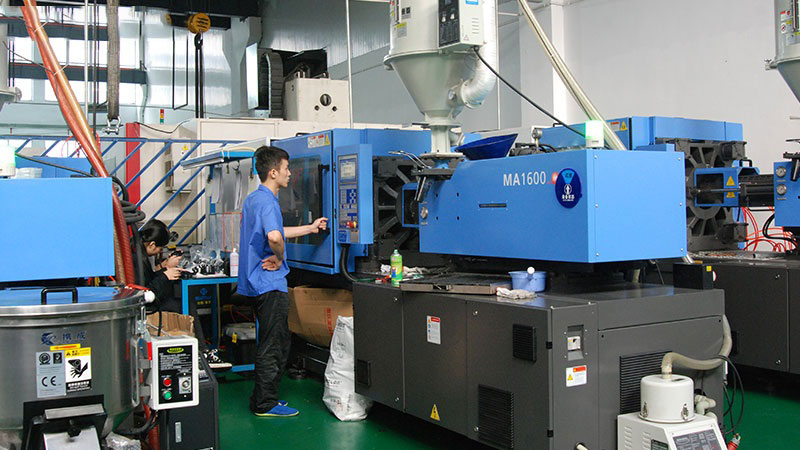
    The foundation of a successful import project lies in meticulous supplier verification. Moving beyond a simple online search is paramount. Begin by leveraging industry-specific B2B platforms, but treat them as a starting point for longlisting, not as a vetting conclusion. The most critical step is to conduct a virtual or, ideally, an in-person audit. In 2026, reputable China mold factories expect and facilitate this. Request a live video tour of their facility; observe their machinery (look for brands like DMG Mori, Sodick, or Haitian for injection molds), their workshop organization, and their in-process quality checks. Verify their business licenses and export history. Furthermore, insist on speaking directly with their project engineers and quality managers, not just sales representatives. This dialogue will reveal their technical proficiency and communication style, which are as crucial as their equipment list.

    Once a potential partner is identified, defining and aligning on quality control protocols from the outset is non-negotiable. Your technical drawings and specifications are the contract. Ensure they are flawless, using international standards (ISO, DIN, or ASTM). Discuss and agree upon a staged inspection plan (IPP) before any payment is released. This typically includes a First Article Inspection (FAI) report with full dimensional results, material certifications for the mold steel (such as P20, H13, or S136), and pre-shipment testing. For injection molds, this means witnessing a mold trial (T1) either in person or via detailed video recording. Specify the parameters: use of the correct material, cycle time, and production of a minimum number of shots to check for stability. Clearly state your acceptable quality limits (AQL) for any molded parts. Embedding these QC milestones into your payment terms provides leverage and ensures transparency throughout the manufacturing process.

    Effective procurement strategy extends beyond unit price negotiation. While cost is a significant factor, a professional engagement with mold manufacturers should focus on total project value. Request a detailed, itemized quotation that breaks down costs for design, materials, machining, heat treatment, surface finishing, and trials. This transparency allows for informed comparisons between different China mold factory proposals and prevents hidden costs later. Discuss payment terms that protect both parties; a common and balanced structure is 40% deposit, 40% upon approval of pre-shipment inspection reports, and 20% after successful receipt and final verification. Furthermore, address post-sales support explicitly. What is their policy on warranty? Who covers the cost of modifications if the initial sample reveals design flaws from your side versus manufacturing errors from theirs? Clarifying these scenarios in the contract saves considerable time and expense.

    The final, often underestimated, pillar of success is project management and communication. Treat your chosen supplier as a strategic partner. Assign a dedicated point of contact on your side and insist on the same from them. Establish a regular update schedule using tools that bridge the time-zone gap, such as shared cloud folders for drawings and reports, and project management platforms like Trello or Asana. For critical projects, consider hiring a local third-party inspection company in the mold manufacturer’s region for impartial oversight during key stages. This provides an extra layer of assurance and demonstrates your serious commitment to quality. Remember, clear, consistent, and respectful communication is the lubricant that ensures the complex machinery of international procurement runs smoothly, preventing minor misunderstandings from becoming major project delays.

    In conclusion, importing molds from China in 2026 offers tremendous advantage but demands a disciplined, informed approach. The journey from sourcing to successful delivery hinges on rigorous supplier verification, ironclad quality control agreements, a value-focused procurement strategy, and relentless project communication. By implementing the actionable steps outlined in this guide, you transform from a passive buyer into a professional partner. This enables you to leverage the immense capabilities of Chinese mold manufacturers, securing not just a tool, but a reliable foundation for your product’s quality and market success. The ultimate goal is a partnership that delivers precision, value, and a competitive edge for your business.

    Work With Us

    As a professional China mold manufacturer, we provide one-stop mold solution for overseas buyers.
    📞 Phone: +86-18605944639
    💬 WhatsApp: +8618605944639
    🌐 Website: bestmoldworks.com
    📧 Email: [email protected]

  • custom injection molding manufacturer: Professional Buy 2026

    For overseas buyers, sourcing custom plastic parts represents a significant opportunity to enhance product quality and reduce costs. However, navigating the landscape of Chinese manufacturing, particularly when seeking a reliable custom injection molding manufacturer, presents distinct challenges. The process extends far beyond a simple price comparison; it involves strategic partnership building, rigorous technical alignment, and meticulous process management. As we look toward 2026, the benchmarks for professional procurement are evolving. This guide provides actionable, forward-looking strategies to help you secure a capable China mold factory, ensuring your injection mold project delivers on time, within budget, and to your exact specifications.

    The cornerstone of a successful import project is thorough supplier verification. In 2026, due diligence must move past basic website checks and Alibaba profiles. Begin by verifying business licenses and export credentials. Request a detailed company profile that outlines their engineering team’s expertise, machine portfolio (clamp tonnage, number of cavities they specialize in), and industry-specific experience. Crucially, insist on a video conference facility tour. A reputable custom injection molding manufacturer will readily conduct a live walkthrough of their production floor, quality control labs, and mold maintenance areas. This transparency allows you to assess factory conditions, technology level, and operational discipline firsthand. Furthermore, ask for and contact references from their existing overseas clients, preferably in your region or industry. Direct feedback on communication, problem-solving, and after-sales support is invaluable.

    Once a potential partner is shortlisted, mastering the technical and commercial quotation phase is critical. A professional procurement approach requires you to provide exceptionally clear and detailed request for quotation (RFQ) packages. This should include comprehensive 3D CAD files (STEP or IGS), 2D drawings with GD&T, material specifications (including color and grade, e.g., ABS, PC/ABS), expected annual volumes, and cosmetic requirements. Vague instructions lead to misinterpretation and costly revisions. When you receive quotes, analyze them beyond the bottom-line mold and part price. Scrutinize the breakdown: mold steel type (pre-hardened vs. hardened), cavity material, cooling line design, expected mold life, and payment terms. A suspiciously low quote often indicates corners will be cut on steel quality, component standards, or engineering time, risking premature mold failure and production downtime.

    Effective quality control is non-negotiable and must be structured from the outset. Your agreement with the China mold factory should define all quality milestones. The first critical checkpoint is the Design for Manufacturability (DFM) report. A competent supplier will provide a detailed DFM analysis, suggesting modifications to improve moldability, reduce cost, and enhance part strength. Do not proceed to mold manufacturing without reviewing and approving this. The next phase is the First Article Inspection (FAI). Upon mold trial, demand a comprehensive trial report with photos, videos of the process, and dimensional measurement results against your provided drawings. For higher-volume projects, consider engaging a local third-party quality inspection firm to conduct pre-shipment inspections during initial production runs. This independent verification of dimensions, appearance, and function provides an essential layer of oversight before parts are shipped overseas.

    Managing logistics, intellectual property, and the partnership for the long term defines professional procurement in 2026. Clearly define Incoterms (e.g., FOB, EXW) with your supplier to avoid hidden costs and confusion over responsibility. For the injection mold itself, ensure you have a legally binding contract that stipulates ownership rights—you should own the mold design and tooling. A reliable partner will provide proper mold maintenance and storage services between production runs. View this relationship as a strategic partnership. Regular communication, scheduled performance reviews, and clear expectations on response times foster collaboration. As your volumes grow, discuss plans for continuous improvement and cost-down initiatives. A trustworthy custom injection molding manufacturer will work with you to optimize cycles and material usage, sharing benefits to solidify a long-term, mutually advantageous relationship.

    Successfully importing injection molds from China in 2026 demands a disciplined, informed, and proactive approach. It is a journey that hinges on systematic supplier verification, precise technical communication, embedded quality control protocols, and strategic relationship management. By moving beyond price as the sole deciding factor and investing time in these foundational steps, you transform procurement from a transactional cost center into a core competitive advantage. The right manufacturing partner becomes an extension of your engineering team, driving innovation, ensuring reliability, and ultimately contributing directly to the success of your product in the global marketplace. Start your next project with this professional framework, and you will be well-positioned to build a supply chain that is not only cost-effective but also robust and responsive for years to come.

    Work With Us

    As a professional China mold manufacturer, we provide one-stop mold solution for overseas buyers.
    📞 Phone: +86-18605944639
    💬 WhatsApp: +8618605944639
    🌐 Website: bestmoldworks.com
    📧 Email: [email protected]

  • custom made plastic pieces: Professional Buying Guide 2026

    For overseas buyers and product developers, sourcing custom made plastic pieces represents a critical path to innovation and cost efficiency. The global manufacturing landscape, particularly in China, offers unparalleled expertise and scalability in injection molding. However, navigating this complex procurement process requires an updated, strategic approach to mitigate risks and ensure project success. This 2026 professional buying guide is designed to provide you with actionable, real-world strategies for partnering with a reliable China mold factory, moving beyond basic inquiries to establish a robust and profitable supply chain.

    The cornerstone of a successful project is selecting the right partner, not just the lowest bidder. Supplier verification has evolved significantly. Begin with a deep-dive technical assessment. A competent China mold factory should readily discuss your project’s specifics—material selection (including sustainable or engineering-grade plastics), expected annual volumes, cosmetic requirements (e.g., SPI finish standards), and critical tolerances. Request and scrutinize 3D mold flow analysis reports; this demonstrates their commitment to preempting defects like warping or sink marks. Furthermore, verify their certifications. While ISO 9001 is standard, look for industry-specific credentials like IATF 16949 for automotive or relevant medical device certifications. Utilize video calls for virtual factory tours, focusing on their mold maintenance area and the condition of their injection molding machines—a well-organized facility is a strong indicator of professional quality control.

    Once a potential partner is identified, mastering the procurement and development phase is essential. Clearly define all stages in your contract: design for manufacturability (DFM) review, mold fabrication timeline, sampling (T1, T2), and pre-production runs. Insist on a detailed, itemized quotation separating mold cost from part price. For your custom made plastic pieces, the mold is a capital investment. Understand the steel type (e.g., P20, H13, stainless for food-grade), cavity count, and lifetime guarantees. Employ a phased payment schedule (e.g., 30% upon order, 40% after mold trial, 30% after final sample approval) to maintain leverage. Crucially, appoint a single, clear point of technical contact on both sides to prevent communication breakdowns, which are a primary source of error and delay in cross-border projects.

    Proactive quality control cannot be an afterthought; it must be engineered into the process from day one. Agree on a comprehensive Quality Inspection Plan (QIP) with your supplier before mold fabrication begins. This plan should specify First Article Inspection (FAI), In-Process Quality Control (IPQC) checks, and the standards for the final Random Inspection (FRI). Define the Acceptable Quality Limit (AQL) for critical, major, and minor defects. For initial samples, request full-dimension inspection reports (CMM data) against your CAD drawings. For ongoing production, consider engaging a reputable third-party quality inspection firm within China for periodic audits and pre-shipment inspections. This independent verification provides an objective view of the production batch’s consistency and ensures your injection mold is performing reliably over time.

    The final logistical and partnership phase determines long-term viability. Discuss packaging requirements explicitly to prevent damage during ocean freight—separate cavities, protective coatings, and rigid packaging are often necessary for precision custom made plastic pieces. Clarify incoterms (e.g., FOB, EXW) to avoid hidden costs. Beyond the initial order, view your supplier as a strategic partner. A forward-thinking China mold factory will offer insights on design tweaks that could reduce part cost or improve durability in future revisions. Schedule regular business reviews to discuss performance, upcoming projects, and market trends. Building this relationship fosters transparency, encourages continuous improvement, and can lead to preferential treatment during peak manufacturing seasons.

    Successfully importing injection molds and plastic components from China in 2026 demands a blend of technical diligence, clear communication, and strategic partnership management. By rigorously verifying suppliers, structuring procurement with clear milestones, implementing embedded quality control protocols, and fostering collaborative logistics, overseas buyers can transform the inherent complexities of global sourcing into a definitive competitive advantage. The goal is to move from a transactional purchaser to an informed partner, leveraging China’s manufacturing prowess to bring high-quality, cost-effective plastic products to your market with confidence and reliability.

    Work With Us

    As a professional China mold manufacturer, we provide one-stop mold solution for overseas buyers.
    📞 Phone: +86-18605944639
    💬 WhatsApp: +8618605944639
    🌐 Website: bestmoldworks.com
    📧 Email: [email protected]

  • custom injection mold: Ultimate Guide for Buyers 2026

    Navigating the procurement of a custom injection mold from China presents a significant opportunity for cost efficiency and manufacturing scalability. However, for overseas buyers, the process involves complexities that extend beyond a simple price comparison. Success hinges on understanding the landscape, verifying partners meticulously, and managing the project with strategic foresight. This guide for 2026 is designed to cut through the noise, offering a professional, actionable roadmap to secure a high-quality injection mold that meets your exact specifications, timeline, and budget, while mitigating the inherent risks of international sourcing.

    The journey begins long before you request a quote. Precise definition of your project is the non-negotiable foundation. Develop comprehensive documentation including a detailed 3D CAD model (STEP or IGS format), 2D drawings with critical tolerances and surface finish specifications (e.g., SPI standards), and a material selection for the final plastic part. Furthermore, create a project brief outlining annual volumes, target part cost, expected mold lifespan (number of shots), and lead time requirements. This package not only elicits more accurate and comparable quotations from a China mold factory but also establishes you as a knowledgeable and serious buyer. It prevents scope creep and miscommunication, which are primary sources of delay and cost overruns in custom injection mold development.

    With a clear specification in hand, supplier verification becomes your most critical task. Moving beyond Alibaba listings is essential. Prioritize manufacturers with demonstrable expertise in your industry or part complexity. Request and scrutinize portfolio case studies. The true test, however, lies in due diligence: insist on a live video tour of their facility. A reputable China mold factory will transparently showcase their CNC machining centers, EDM equipment, mold polishing stations, and, crucially, their in-house injection molding machines for trial shots. Verify their quality control protocols by asking for inspection reports (CMM data, mold flow analysis results) from past projects. Third-party platform audits or certifications like ISO 9001 are helpful indicators, but direct observational assessment is irreplaceable. This step filters out trading companies and under-equipped workshops, connecting you directly with capable producers.

    The procurement phase is where strategic negotiation ensures value, not just low cost. While price is a factor, evaluate quotations on a total cost basis. A slightly higher initial quote that includes robust mold design review, DFM (Design for Manufacturability) feedback, a clear payment schedule (e.g., 30-50% deposit, 40-60% before shipment, 10% retained), and comprehensive post-sales support (warranty on workmanship, provision of spare components) often delivers superior long-term value. Discuss and agree upon a milestone-based payment plan tied to key deliverables: design approval, steel cutting, first trial, and final inspection. This aligns interests and provides leverage throughout the build process. Remember, the cheapest custom injection mold can become the most expensive asset if it leads to production downtime, poor part quality, or premature failure.

    Proactive quality control integrated throughout the manufacturing cycle is your primary risk mitigation tool. Do not adopt a “wait and see” approach until shipment. Mandate regular updates with photos and videos at critical stages: material procurement (steel grade certificates), machining, assembly, and most importantly, the initial T1 trial shot. Arrange for a pre-shipment inspection, either conducted by your trusted agent or a third-party quality service, to verify the mold against all agreed specifications. The inspection should include a sampling of parts produced from the mold, measured against your drawings. For high-volume or critical projects, consider being present for the first trial. This hands-on oversight allows for real-time problem-solving and ensures the final product arriving at your doorstep is a fully validated production-ready asset, not a project requiring costly rework.

    Effective communication and logistics planning finalize a successful import process. Establish clear, structured communication channels using tools like email for formal approvals and WeChat or Microsoft Teams for daily updates. Designate a single point of contact on both sides to prevent information fragmentation. Regarding logistics, work with your supplier to determine the optimal shipping method (air for urgency, sea for cost) and ensure professional packaging in a waterproof, shock-absorbent crate. Understand the Incoterms (e.g., FOB, EXW) fully—they define responsibility and cost. Ensure all necessary documentation, including a detailed commercial invoice, packing list, and certificate of origin, is prepared accurately to smooth customs clearance in your country. A well-managed conclusion to the project sets the stage for potential future collaboration.

    Securing a high-quality custom injection mold from China in 2026 demands a blend of meticulous preparation, rigorous verification, and engaged project management. By investing time in defining your requirements, conducting unparalleled supplier due diligence, negotiating with a total-value perspective, enforcing staged quality control, and managing logistics deliberately, you transform a complex international procurement into a strategic advantage. The goal is to build a partnership with a China mold factory that delivers not just a tool, but reliability, quality, and support for years to come, fueling your product’s success in the global marketplace.

    Work With Us

    As a professional China mold manufacturer, we provide one-stop mold solution for overseas buyers.
    📞 Phone: +86-18605944639
    💬 WhatsApp: +8618605944639
    🌐 Website: bestmoldworks.com
    📧 Email: [email protected]

  • mold factory near me: Reliable Manufacturers Guide 2026

    For overseas buyers, the search for a “mold factory near me” often leads to a critical realization: the most competitive expertise, advanced capabilities, and cost-effective solutions are frequently found not locally, but across the globe in China. The Chinese mold manufacturing industry continues to evolve rapidly, offering unparalleled scale and specialization. However, navigating this vast market to find a truly reliable partner requires a strategic, informed approach. This guide for 2026 is designed to move you from generic searches to a targeted procurement strategy, providing actionable steps to identify, verify, and collaborate with top-tier Chinese mold factories for your injection mold and tooling needs.

    The initial search phase is where strategy separates success from frustration. Moving beyond simple online directories is crucial. Begin by leveraging industry-specific B2B platforms that have enhanced their verification processes, such as Alibaba’s Gold Supplier assessments or Made-in-China.com, but treat these as starting points, not endpoints. Simultaneously, use precise technical keywords in your searches—”high-cavitation injection mold supplier,” “precision mold for medical devices,” or “large-tonnage mold factory”—to filter for specialized expertise. Importantly, attend major international trade shows like Chinaplas or the Die & Mould China exhibition. While traveling to China might seem counter to “near me,” the concentrated access to engineering teams and live demonstrations provides a depth of understanding no website can match, effectively bringing the factory to you for evaluation.

    Once you have a shortlist, rigorous supplier verification becomes your most important task. In 2026, due diligence is multi-layered. First, conduct a thorough background check: verify business licenses, export history, and any patent or certification records (like ISO 9001, IATF 16949 for automotive). Next, request a virtual factory tour via live video call; a reputable China mold factory will readily showcase their shop floor, machinery (look for brands like DMG Mori, Sodick, or Haitian injection machines), and quality control labs in real-time. Demand detailed case studies for projects similar to yours in material, complexity, and volume. Crucially, contact these past overseas clients directly. A reliable manufacturer will provide references. Ask specific questions about communication, problem-solving, and post-sales support. This step alone can eliminate significant risk.

    The core of a successful partnership lies in mastering technical communication and project definition. Ambiguity is the primary cause of cost overruns and quality issues. Develop a comprehensive Request for Quotation (RFQ) package that includes not just part drawings, but a full product specification: target material (with grade), expected annual volumes, cycle time goals, part critical dimensions and tolerances, surface finish requirements (SPI standards), and mold life expectancy (number of shots). Discuss and agree on the mold design review process—typically, a 3D mold flow analysis and a 2D/3D mold structure review before steel cutting. Clearly define all deliverables: are sample parts, inspection reports (FAI), and mold design files included? Establishing these protocols upfront ensures both parties are aligned, transforming your procurement from a simple purchase into a coordinated engineering project.

    Proactive quality control, from inception to delivery, is non-negotiable. Do not assume quality will be managed at the factory; you must implement your own checks. For 2026, this means integrating digital tools. Insist on periodic photo and video updates during key milestones: material procurement, steel cutting, heat treatment, electrical discharge machining (EDM), assembly, and first-shot trials. For critical projects, hire a local third-party inspection company to conduct an Initial Sample Inspection Report (ISIR) or Pre-Shipment Inspection (PSI) at the factory. They will check mold dimensions, material hardness, and part conformity. Furthermore, agree on a sample approval process. Test the first articles from the mold in your own facility or lab to validate performance before authorizing mass production or shipping the mold. This layered QC approach protects your investment.

    Finally, consider the total cost of ownership and build a partnership mindset. While unit price is important, evaluate the entire cost structure: mold price, payment terms (staged payments linked to milestones are standard), tooling warranty period (e.g., 1-2 years or a set number of shots), and costs for future maintenance or modifications. For injection mold projects, discuss who will manage the production—will the same factory handle molding, or will you transfer the tool to another facility? A forward-thinking supplier will advise on design for manufacturability (DFM) to optimize your part for cost and longevity. Viewing your chosen China mold factory as a long-term technical partner, rather than just a vendor, fosters collaboration, encourages proactive problem-solving, and ensures better support for future projects, making them a reliable extension of your own operations.

    In conclusion, finding a reliable “mold factory near me” as an overseas buyer in 2026 is less about geographic proximity and more about strategic closeness. It is achieved through meticulous digital and hands-on verification, crystal-clear technical communication, embedded quality control processes, and a partnership-oriented approach to procurement. The Chinese manufacturing landscape is rich with capable and professional injection mold specialists. By applying this structured guide, you transform the daunting task of international sourcing into a manageable, low-risk, and highly rewarding endeavor. Your ideal, reliable manufacturer is not found by chance, but through the deliberate steps outlined here, ensuring your mold investment drives your product’s success for years to come.

    Work With Us

    As a professional China mold manufacturer, we provide one-stop mold solution for overseas buyers.
    📞 Phone: +86-18605944639
    💬 WhatsApp: +8618605944639
    🌐 Website: bestmoldworks.com
    📧 Email: [email protected]

  • Mold for silicon parts: Ultimate Guide for Buyers 2026

    For overseas buyers and product developers, sourcing a high-quality mold for silicon parts represents a critical step in bringing innovative products to market. From medical devices and automotive components to consumer goods and kitchenware, precision silicone rubber molding enables complex, durable, and flexible parts. China remains the global epicenter for mold manufacturing, offering unparalleled expertise and cost efficiency. However, navigating this complex landscape requires strategic insight to mitigate risks and ensure project success. This ultimate guide for 2026 provides actionable, professional advice to help you procure a reliable, high-performance injection mold from a reputable China mold factory.

    Mastering Supplier Verification and Selection

    The foundation of a successful import project is a thoroughly vetted supplier. Moving beyond basic Alibaba listings is crucial in 2026. Start by identifying manufacturers with demonstrable experience in silicone-specific tooling. Silicone or Liquid Silicone Rubber (LSR) injection molding requires distinct engineering considerations compared to rigid plastic molds, such as different venting, colder mold temperatures, and specialized injection systems. During your procurement process, request and scrutinize case studies and project portfolios specifically for silicone parts. Verify business licenses and export credentials. Utilize video calls to conduct virtual factory tours, paying close attention to their workshop organization, machinery (look for LSR injection machines and cleanroom capabilities if needed), and quality control stations. Third-party verification platforms and industry-specific B2B directories can provide additional layers of credibility assessment.

    Engineering and Design Collaboration for Optimal Results

    A successful mold for silicon parts is born from seamless collaboration between your design and the factory’s engineering team. Provide comprehensive and clean 3D CAD files (STEP or IGS formats are preferred) along with a detailed product specification sheet. This should include the specific silicone material grade (e.g., FDA-approved, hardness in Shore A, high-temperature resistance), critical dimensions and tolerances, cosmetic requirements, and intended production volume. A professional China mold factory will conduct a Design for Manufacturability (DFM) analysis. Engage deeply with this feedback; their engineers can suggest draft angles, optimal gating and venting locations, and parting line strategies that prevent flash and ensure consistent part quality. Clarify mold ownership and intellectual property rights in your contract. This collaborative, transparent approach during the engineering phase prevents costly modifications later.

    Implementing Rigorous Quality Control Protocols

    Proactive quality control is non-negotiable. Do not assume standards—define and agree upon them contractually before tool fabrication begins. Specify the mold steel grade (e.g., pre-hardened steel like P20 or hardened steel like H13 for longer life), surface finish requirements (polished, textured), and the expected lifespan in cycles. Insist on a First Article Inspection (FAI) report. This involves the supplier producing a initial sample run from the finished mold, measuring critical dimensions against your drawings, and providing documented evidence. For higher-value projects, engage a third-party quality inspection service in China to conduct an on-site inspection during the Trial Run Sample (TSP) stage. They can check part conformity, flash, air traps, and overall mold performance. This step, though an added cost, is a powerful risk mitigation tool, ensuring the injection mold meets all specifications before it is shipped to your production facility.

    Navigating Logistics, Cost, and Communication

    A clear understanding of total cost and logistics completes the procurement puzzle. Obtain detailed quotations that break down costs: mold design, mold base and steel, cavity/core machining, hot runner system (if applicable), trial run, and packaging. Be wary of quotes that seem abnormally low; they often indicate inferior materials or processes. Terms like EXW, FOB, or CIF should be clearly defined—for most buyers, FOB (Free On Board) a major Chinese port offers a good balance of control and cost. Ensure the mold is properly crated and protected for ocean freight. Throughout the process, maintain structured communication. Appoint a single point of contact on both sides, use shared project management tools for tracking milestones, and schedule regular update meetings. Understanding cultural nuances, such as the importance of building trust (guanxi) and respecting hierarchical decision-making, can significantly smooth interactions.

    Conclusion

    Importing a precision mold for silicon parts from China in 2026 is a highly viable strategy that balances advanced engineering with cost-effectiveness. The journey, however, demands a disciplined and informed approach from overseas buyers. By prioritizing rigorous supplier verification, engaging in technical collaboration, enforcing stringent quality control measures, and managing logistics and communication with clarity, you transform a complex procurement challenge into a competitive advantage. The goal is to establish not just a transactional purchase, but a partnership with a China mold factory that delivers a robust injection mold, ensuring the consistent production of superior silicone parts for years to come. Let this guide be your blueprint for a successful and confident sourcing experience.

    Work With Us

    As a professional China mold manufacturer, we provide one-stop mold solution for overseas buyers.
    📞 Phone: +86-18605944639
    💬 WhatsApp: +8618605944639
    🌐 Website: bestmoldworks.com
    📧 Email: [email protected]

  • custom injection molding cost: Ultimate Guide for Buy 2026

    Navigating the landscape of custom injection molding cost is a primary concern for overseas buyers looking to manufacture in China. While the potential for significant savings is a major draw, the true total cost encompasses far more than just the initial price quote from a China mold factory. A strategic, informed approach to procurement is essential to avoid hidden expenses, delays, and quality issues that can erode your bottom line. This ultimate guide for 2026 provides a professional, actionable framework to help you understand the real cost drivers and implement a process that secures both value and reliability in your injection mold investment.

    Understanding the True Drivers of Custom Injection Molding Cost

    Before engaging suppliers, you must understand what you are paying for. The final custom injection molding cost is not a single line item but a composite of several critical factors. First is the mold itself: its complexity, size, steel grade, and number of cavities directly determine the tooling investment. A high-precision mold for medical devices will command a higher price than a simple mold for commodity parts. Second, consider part design. A design optimized for manufacturability reduces mold complexity and cycle time, lowering both tooling and per-part costs. Third, material selection is paramount. Engineering-grade resins cost more than standard plastics, and material waste (shrinkage, runners) impacts your effective price. Finally, order volume plays a crucial role. High-volume production spreads the upfront mold cost over more units, drastically reducing the per-part price. A clear grasp of these elements allows you to analyze quotes intelligently and ask the right questions.

    The Critical Step of Supplier Verification and Selection

    Your choice of partner is the single most important factor in controlling long-term costs. A low initial quote from an unverified supplier often leads to catastrophic cost overruns due to poor quality, missed deadlines, and communication breakdowns. In 2026, verification goes beyond a simple website check. Start with a deep due diligence process: verify business licenses, audit factory certifications like IATF 16949 or ISO 9001, and insist on a video tour of the production floor. Scrutinize their portfolio for projects similar to yours in complexity and industry. Request and contact past overseas clients for references. A professional China mold factory will be transparent and proactive in this phase. Remember, you are not just buying a mold; you are procuring expertise, reliability, and peace of mind. Investing time in thorough supplier verification is the most effective cost-saving measure you can take.

    Mastering the Quotation and Procurement Process

    A detailed, standardized Request for Quotation (RFQ) package is your strongest tool for receiving comparable and accurate quotes. This package should include not just a 3D CAD model, but also a comprehensive specification document covering part material, annual volumes, critical tolerances, surface finish requirements, and post-molding operations. This clarity prevents assumptions and ensures all suppliers bid on the exact same scope. When quotes arrive, conduct a line-item analysis. Compare not only the total mold price but also the cost per part, payment terms, lead time, and what is included in the price (e.g., mold trials, sample parts, shipping). Be wary of quotes that seem abnormally low; they may cut corners on steel quality, cooling design, or essential quality checks. During procurement negotiations, focus on building a partnership framework that includes clear milestones, approval stages, and protocols for design changes, which inevitably impact cost.

    Implementing Proactive Quality Control from Design to Delivery

    Quality control is an integral cost center, not an afterthought. Implementing a proactive QC strategy throughout the project lifecycle prevents expensive failures. Start with a Design for Manufacturability (DFM) review provided by your chosen supplier before the mold is cut. A good DFM can identify potential molding issues, saving thousands in mold modifications later. During mold manufacturing, insist on regular progress reports with photos and data, such as steel material certificates and cavity inspection reports. The most critical phase is the First Article Inspection (FAI) and sampling stage. Do not approve mass production until you have physically evaluated sample parts from the final mold, measured against your CAD data and specifications. For high-volume or critical parts, consider engaging a third-party quality inspection company in China for pre-shipment audits. This layered QC approach ensures the injection mold you receive produces parts to specification consistently, avoiding the immense cost of defective production runs and recalls.

    Managing Logistics, Communication, and Long-Term Partnership

    The final cost components involve bringing your mold and production to your door. Clarify incoterms with your supplier—understand who is responsible for costs and risks at each stage of shipping. Factor in import duties, taxes, and freight insurance. Furthermore, the hidden cost of poor communication can be substantial. Establish a single point of contact on both sides, use clear visual aids, and schedule regular update calls to bridge the time-zone gap. Consider the long-term view: a reliable supplier becomes a strategic asset. Discuss mold maintenance, repair policies, and storage options. A well-maintained mold at your China mold factory can serve you for years and facilitate future production runs at a fraction of the initial cost, offering the best return on your initial investment.

    Conclusion

    For the overseas buyer in 2026, mastering the custom injection molding cost is a multifaceted discipline that blends technical understanding with strategic partnership management. It requires looking beyond the initial quote to the total cost of ownership, which is governed by intelligent design, rigorous supplier verification, a controlled procurement process, and unwavering quality control. By applying the structured, proactive approach outlined in this guide, you transform the challenge of sourcing from China into a competitive advantage. You secure not only a cost-effective injection mold but also a reliable supply chain partner capable of supporting your product’s success for years to come. The ultimate goal is a successful procurement that delivers unparalleled value, quality, and confidence.

    Work With Us

    As a professional China mold manufacturer, we provide one-stop mold solution for overseas buyers.
    📞 Phone: +86-18605944639
    💬 WhatsApp: +8618605944639
    🌐 Website: bestmoldworks.com
    📧 Email: [email protected]