For overseas buyers, the prospect of sourcing a cheap injection mold from China presents a powerful opportunity to reduce upfront tooling costs and enhance product competitiveness. However, the journey from an initial quote to receiving a high-quality, durable mold is fraught with potential pitfalls. The true challenge lies not in finding a low price, but in securing reliable performance at that price. This guide for 2026 cuts through the noise, offering a professional framework for supplier verification and quality control to ensure your procurement of a cost-effective injection mold from a China mold factory is a strategic success, not a costly lesson.
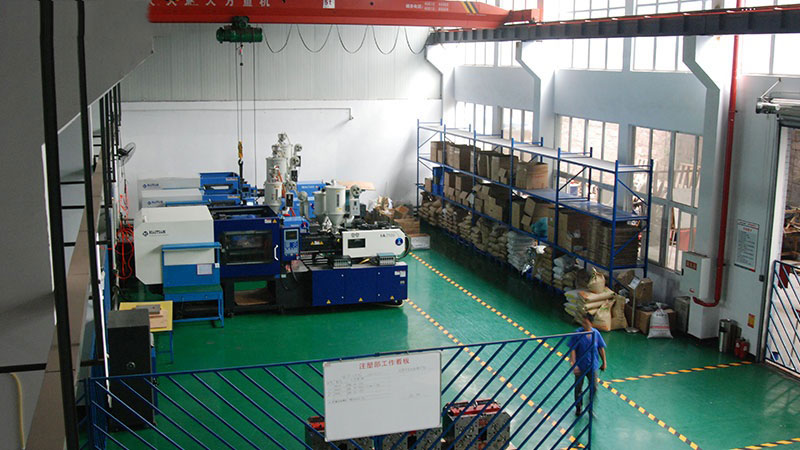
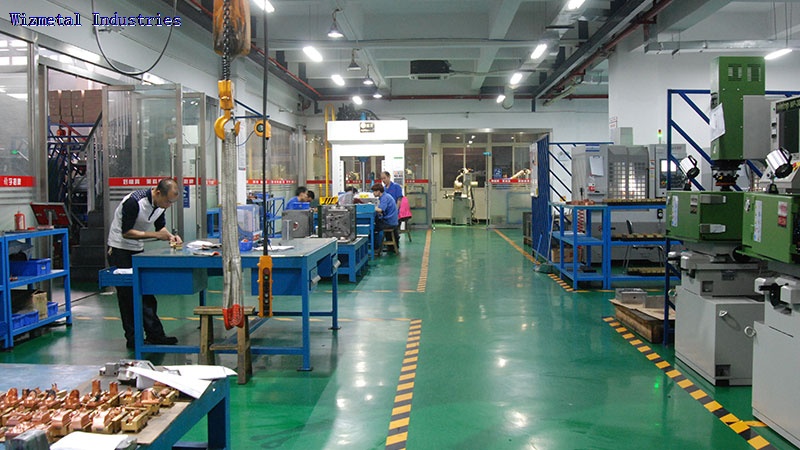
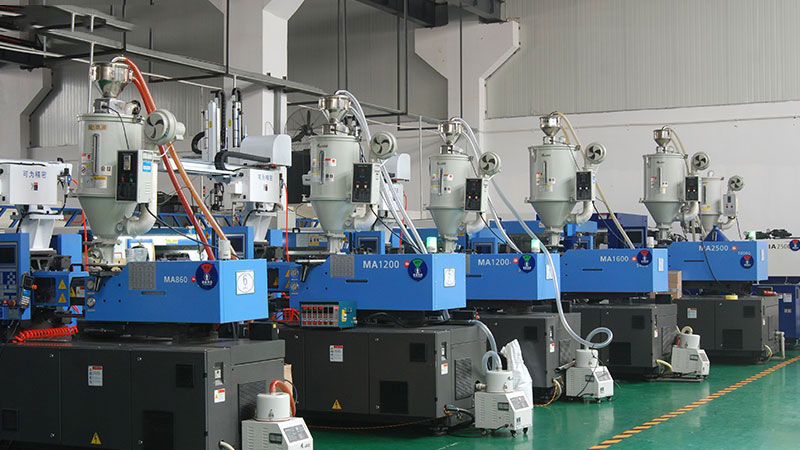
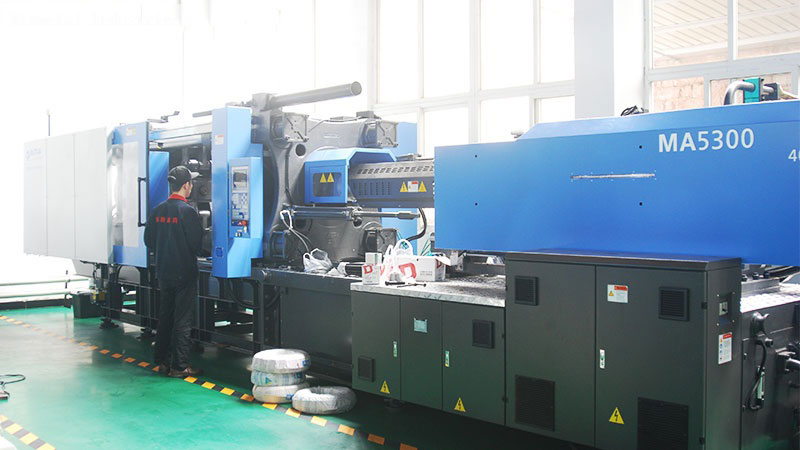
The foundational step in securing a viable cheap injection mold is rigorous supplier verification. The lowest bid often carries hidden risks. Begin by moving beyond Alibaba listings. Utilize professional B2B platforms like Made-in-China.com or industry-specific directories to identify factories with verifiable credentials. Crucially, insist on a video audit of the facility. A live walkthrough allows you to assess the workshop’s organization, machinery (look for modern CNC, EDM, and milling centers), and in-house capabilities. Verify business licenses and, for critical projects, consider third-party verification reports. Check their portfolio for molds similar in size, complexity, and material to your project. A supplier specializing in tiny precision gears may not be the best fit for a large automotive panel, regardless of how attractive their quote for a cheap injection mold appears. This due diligence filters out trading companies masquerading as factories and identifies partners with genuine technical competence.
Once a shortlist of potential partners is established, mastering the Request for Quotation (RFQ) process is your next critical control point. A vague RFQ invites misunderstandings and corner-cutting. Provide a comprehensive package: detailed 3D part files (STEP or IGS), 2D drawings with critical dimensions and tolerances clearly marked, material specifications (e.g., ABS, PP), and expected annual production volume. Specify the mold base steel (e.g., P20, 718, S136 for corrosion resistance), cavity material, and expected lifecycle. Clearly state all deliverables: are you expecting a fully tested mold with sample parts, or just the tool itself? By providing crystal-clear specifications, you enable comparable quotes and prevent the supplier from making cost-saving assumptions that compromise your mold’s integrity. This clarity is the bedrock of a successful injection mold procurement, transforming a simple price inquiry into a professional collaboration blueprint.
The most significant leverage point for quality control is not at the finish line, but during the manufacturing process. Insist on a staged inspection protocol with documented evidence at each milestone. Key checkpoints include: a design review of the mold flow analysis and mold structure drawings, a pre-hardness inspection of the mold steel, and first article inspection (FAI) of the core and cavity after machining. The most critical stage is the Trial Run Report (T1). Never approve final payment or shipment without reviewing high-quality video and photos of the trial run, along with samples from the trial. Measure these samples against your specifications. Discuss and resolve any issues like sink marks, flash, or warpage at this stage, while the mold is still at the factory. This proactive approach to quality control ensures defects are addressed on the supplier’s time and dime, not after the mold has landed in your country.
Finalizing the partnership requires a contract that protects your interests without being adversarial. The contract should explicitly detail all technical specifications, payment terms (e.g., 30-50% deposit, 40-60% before shipment, 10% retained until sample approval), delivery timeline with penalties for significant delays, and intellectual property (IP) clauses asserting your ownership of all part and mold designs. Crucially, define the warranty period (typically 12-24 months) and the terms for repair or replacement in case of premature failure due to workmanship or material defects. Specify the dispute resolution mechanism, often through arbitration in a neutral location. A clear contract aligns expectations and provides a legal framework for the relationship, making your supplier a more accountable partner in your quest for a reliable and cheap injection mold.
In conclusion, procuring a high-value injection mold from China in 2026 is a disciplined process of verification, specification, inspection, and clear agreement. The landscape is competitive, and the best China mold factory for your project is not necessarily the one with the lowest headline price, but the one that demonstrates transparency, technical communication, and a commitment to controlled processes. By investing time in thorough supplier verification, providing impeccable RFQ documents, enforcing staged quality control inspections, and cementing the agreement with a detailed contract, you transform the inherent risks of overseas procurement into a formidable competitive advantage. This strategic approach ensures your investment yields not just a cheap injection mold, but a robust tool that reliably produces quality parts for years to come.
Work With Us
As a professional China mold manufacturer, we provide one-stop mold solution for overseas buyers.
📞 Phone: +86-18605944639
💬 WhatsApp: +8618605944639
🌐 Website: bestmoldworks.com
📧 Email: [email protected]