For overseas buyers, the prospect of importing custom molds from China presents a powerful opportunity to access high-quality tooling at competitive costs. However, the journey from a digital concept to a physical mold arriving at your factory is fraught with potential pitfalls. In 2026, the entire procurement process is increasingly managed online, demanding new strategies and vigilance. This guide cuts through the noise to provide you with a professional, actionable roadmap for successful **mold customization online**, ensuring you partner with the right China mold factory and secure a mold that meets your exact specifications for quality, budget, and timeline.
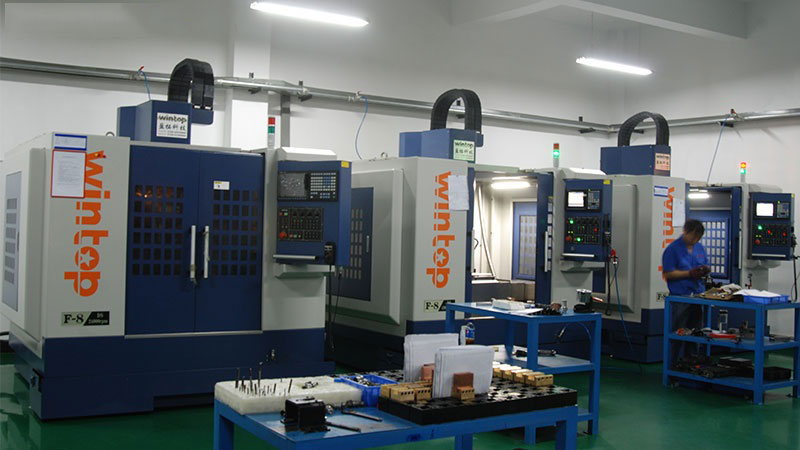
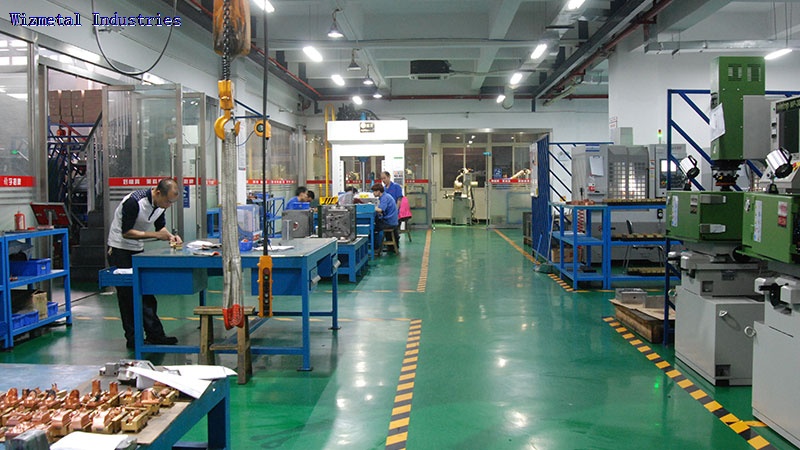
The foundation of any successful online mold procurement is rigorous supplier verification. The digital landscape is vast, and not all factories are created equal. Begin by moving beyond a simple website assessment. Request virtual factory tours via video call; a reputable supplier will readily showcase their CNC machines, EDM equipment, and assembly areas. Scrutinize their portfolio for projects similar in complexity, material, and industry to yours. Crucially, ask for and independently contact past international clients. In 2026, verification also includes checking for certifications relevant to your market and inquiring about their data security protocols for handling your proprietary CAD files. This due diligence transforms an anonymous online entity into a vetted partner.
Once a potential partner is identified, mastering the technical and commercial quotation phase is critical. A professional China mold factory will not provide a price based solely on a brief description. They will require detailed 3D drawings (STEP or IGES files), material specifications for the final plastic part, expected annual volumes, and cosmetic requirements. Your goal is to receive a comprehensive breakdown that includes mold base cost, cavity and core machining, slider/lifter mechanisms, hot runner system (if applicable), and a clear timeline with milestones. Be wary of suspiciously low quotes; they often signal the use of inferior steel, outdated machining, or hidden costs. Use this stage to gauge communication clarity and technical expertise, as this dialogue sets the precedent for the entire project.
With a supplier selected, implementing a structured, multi-stage quality control protocol is non-negotiable. Do not wait until the final inspection to discover issues. Agree on a QC plan before work begins. This should include pre-production reviews of mold flow analysis (to anticipate filling issues), and approval of mold design drawings. Key inspection points follow: First Article Inspection (FAI) of machined mold components, a T1 sample trial with detailed report (including process parameters, part dimensions, and pictures), and a final pre-shipment audit. For high-value projects, consider engaging a local third-party QC agency to conduct the sample trial inspection on your behalf. This proactive approach to quality control mitigates risk and ensures the injection mold performs as intended in your production environment.
Navigating logistics, payment, and intellectual property protection requires strategic foresight. Use Incoterms 2020 clearly (e.g., FOB Shanghai) to define responsibilities and costs. For payment, a staggered structure is standard and safer: e.g., 30-40% deposit, 40-50% after T1 sample approval, and the balance before shipment. Ensure your contract includes a robust confidentiality agreement (NDA) and clearly states that all tooling design and intellectual property remain your exclusive property. Discuss post-sales support upfront—what is the warranty period? How are repair requests or spare parts handled? Establishing these terms professionally at the outset prevents costly misunderstandings and builds the framework for a long-term relationship.
The landscape of **mold customization online** is evolving, with forward-thinking suppliers offering greater transparency through digital project management platforms. These platforms allow you to track progress, view inspection reports, and communicate in a centralized thread. Embracing this technology streamlines collaboration. Furthermore, as sustainability becomes a core concern, inquire about a supplier’s practices regarding material efficiency and energy consumption during molding. A modern partner will have insights into optimizing your design for manufacturability (DFM) to reduce waste and cycle time, adding value beyond simple fabrication.
In conclusion, successfully importing a custom injection mold from China in 2026 hinges on a methodical, digitally-savvy approach. It transcends merely finding a low price online. It is a process built on systematic supplier verification, precise technical communication, embedded quality control checkpoints, and clear commercial safeguards. By treating the online procurement journey as a strategic partnership development, you leverage the immense capability of Chinese mold manufacturing while maintaining control over quality, cost, and intellectual property. The ultimate goal is not just a mold, but a reliable production tool and a trusted supplier relationship that delivers competitive advantage for years to come.
Work With Us
As a professional China mold manufacturer, we provide one-stop mold solution for overseas buyers.
📞 Phone: +86-18605944639
💬 WhatsApp: +8618605944639
🌐 Website: bestmoldworks.com
📧 Email: [email protected]