Importing a custom mold from China is a strategic decision that offers significant advantages in cost, scalability, and manufacturing capability. However, for overseas buyers, the process can seem complex and fraught with risk. Navigating language barriers, cultural differences, and geographical distance requires a structured approach. This ultimate guide for 2026 provides actionable, professional insights to help you procure high-quality injection molds from China with confidence, ensuring your project’s success from design to delivery.
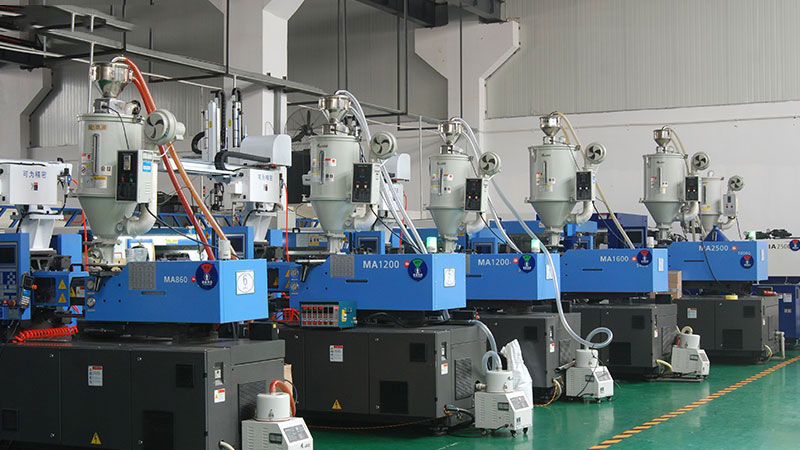
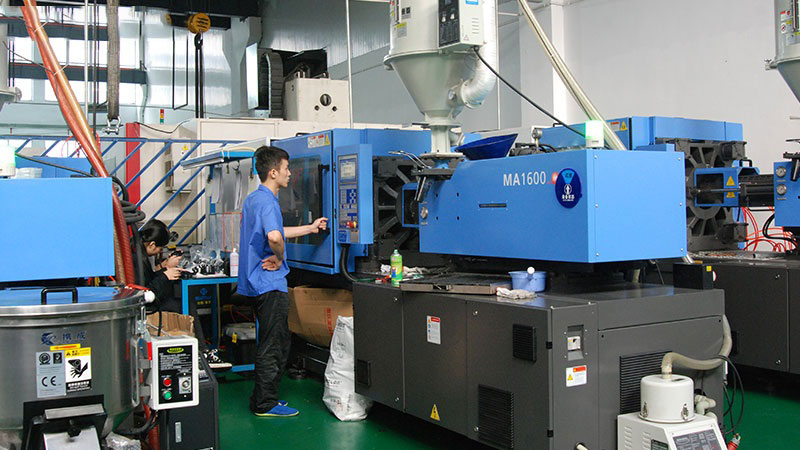
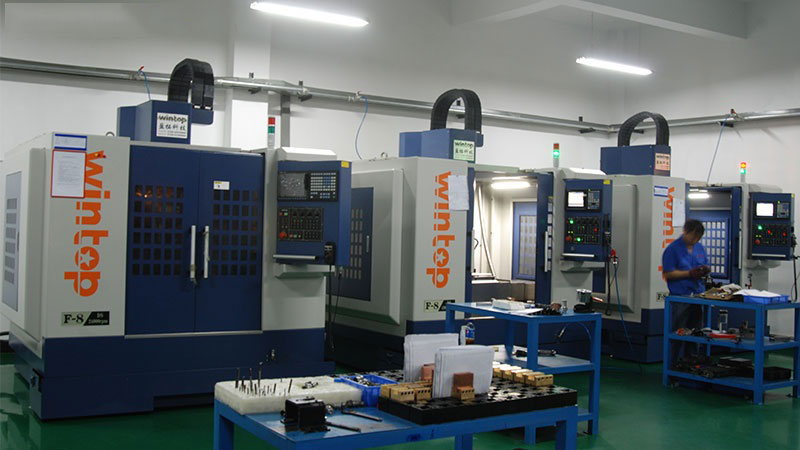
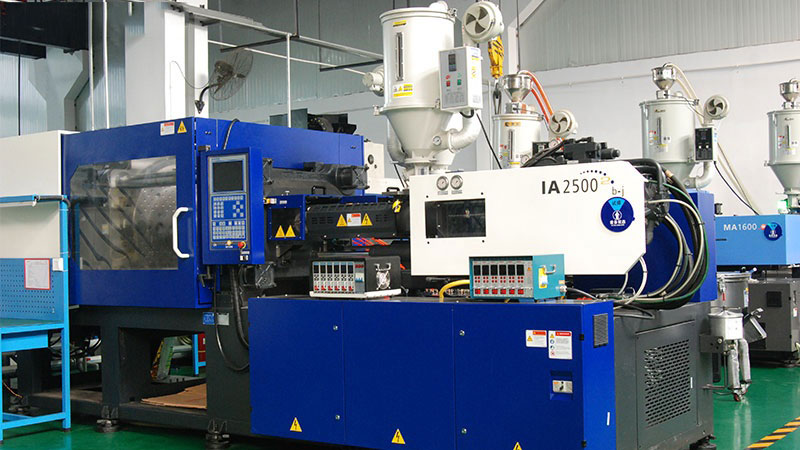
The foundation of a successful import project lies in meticulous supplier verification. Not all China mold factories are created equal, and the lowest quote often carries hidden costs. Begin your procurement process by moving beyond Alibaba listings. Conduct deep due diligence: verify business licenses, examine the factory’s ownership structure, and insist on a video tour of their facility. A reputable supplier will readily showcase their CNC machining centers, EDM equipment, and quality control lab. Critically, assess their engineering team’s capability. A competent factory will proactively engage in Design for Manufacturability (DFM) analysis, offering suggestions to optimize your part design for the injection mold process, reducing cost and improving longevity. This step filters out trading companies and identifies true manufacturing partners.
Once a shortlist of potential partners is established, mastering the quotation and technical review stage is crucial. A professional quotation for a custom mold should be transparent and itemized, detailing costs for mold base, cavity and core materials, hot runner system, surface treatments, and number of shots for sampling. Beware of vague, all-inclusive prices. Simultaneously, the technical proposal is paramount. Require a detailed mold flow analysis report. This simulation predicts how the plastic will fill the cavity, identifying potential issues like air traps, weld lines, or sink marks before steel is cut. In 2026, this is a non-negotiable standard for any serious China mold factory. Discuss and agree upon all specifications—mold lifetime, tolerances, surface finish, and cooling channel design—in writing. This document becomes the governing standard for the project.
Proactive and structured quality control is your most powerful tool to mitigate risk. Do not wait until the final inspection to check the mold. Implement staged QC checkpoints aligned with the manufacturing milestones. The first critical inspection should occur after the mold base and core/cavity blocks are machined, often called the “T1” or first article inspection. Request high-resolution photos and 3D scan reports comparing the machined steel to your original CAD model. The next vital checkpoint is the initial sample approval. Insist on receiving actual molded parts from the factory’s trial run, along with a full inspection report (CMM data, dimensional results, and photos). For high-value projects, employing a local third-party quality inspection firm to conduct an on-site Pre-Shipment Inspection is a wise investment. They can verify assembly, function, and sample part quality against your agreed specifications.
Clear communication and a robust contractual framework are the glue that holds the international procurement process together. Establish a single point of contact on the supplier’s side, preferably a project manager with technical English proficiency. Use visual aids—marked-up drawings, screenshots, and video calls—to eliminate ambiguity. The contract must explicitly outline payment terms (e.g., 40% deposit, 40% after sample approval, 20% before shipment), intellectual property ownership, warranty period (typically 12-24 months), and liability for delays. Specifically define the criteria for sample approval and the process for handling engineering changes. Understanding Incoterms 2020 is also essential; FOB is common, but you may consider EXW or CIF depending on your logistics capability. This clarity protects both parties and ensures a smooth project flow.
Finally, view the mold procurement as the beginning of a partnership, not a transaction. A reliable China mold factory is an extension of your production team. Discuss post-sales support upfront. What is their response time for troubleshooting? How do they handle wear and tear or damage to the custom mold? Do they keep a backup of your mold design and program for future maintenance or replication? Establishing these protocols ensures long-term value. Furthermore, a trustworthy supplier will be transparent about production capacity and can become a strategic partner for future projects, including full assembly and packaging services.
In conclusion, importing a custom mold from China in 2026 demands a blend of diligent verification, technical oversight, and strategic partnership. By rigorously vetting suppliers, demanding technical transparency, implementing staged quality control, and formalizing agreements, overseas buyers can unlock the immense value offered by Chinese mold manufacturing. The goal is to transform geographical distance from a liability into an advantage, leveraging specialized expertise to produce a high-precision injection mold that drives your product’s success in the global market. With this structured approach, your venture into sourcing from a China mold factory can be a predictable, professional, and highly rewarding component of your supply chain strategy.
Work With Us
As a professional China mold manufacturer, we provide one-stop mold solution for overseas buyers.
📞 Phone: +86-18605944639
💬 WhatsApp: +8618605944639
🌐 Website: bestmoldworks.com
📧 Email: [email protected]