Category: Custom molds for resin

  • China plastic mold Manufacturerturer: Professional Buy 2026

    For overseas businesses, sourcing plastic injection molds from China remains a cornerstone strategy for achieving cost-effective production and scaling product lines. However, the landscape is evolving rapidly. What worked for procurement in 2020 may not suffice in 2026. This guide is designed for the professional buyer looking to navigate the current market with precision, moving beyond simple price comparisons to build strategic, reliable partnerships with a qualified China plastic mold manufacturer. The goal is not just to purchase a tool, but to secure a critical component of your supply chain that ensures quality, timeliness, and long-term value.

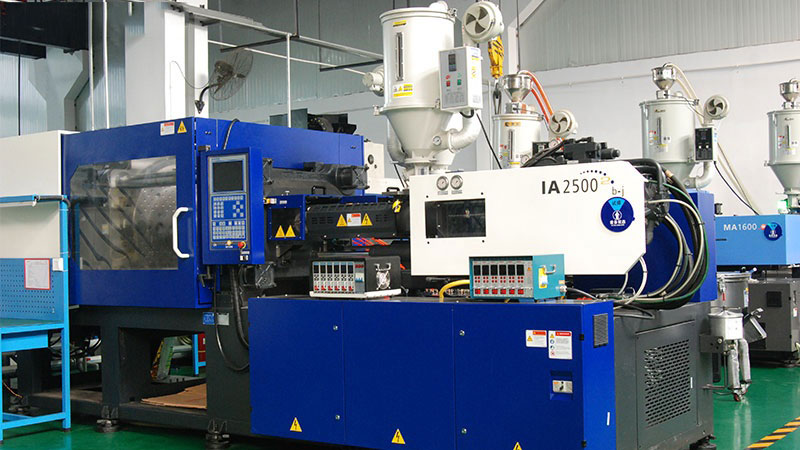
    The foundation of a successful import project lies in meticulous supplier verification. The term “China mold factory” encompasses a vast spectrum, from highly automated facilities serving global brands to smaller workshops with limited capabilities. Your first actionable step is to move beyond Alibaba listings. Conduct a thorough background check: verify business licenses, and years in operation, and request a detailed company profile. Crucially, insist on a virtual or, if possible, an in-person factory audit. A professional China plastic mold manufacturer will readily arrange a video tour, showcasing their machinery (look for modern CNC, EDM, and injection molding machines), workshop organization, and quality control stations. Pay close attention to their portfolio. Do they have proven experience with products similar to yours in material, size, and complexity? Request and contact past international clients for references. This due diligence mitigates the paramount risk of engaging an unqualified partner.

    Once a potential partner is identified, the focus shifts to technical clarity and process control. The most common point of failure in mold procurement is ambiguous communication. Your technical data package must be exhaustive. Beyond providing 3D CAD files (STEP or IGS format is preferred), include a comprehensive 2D drawing with critical dimensions, tolerances, surface finish specifications (SPI standards), and material selection for the final plastic part. Clearly state the intended resin, as this influences mold steel selection and cooling channel design. Discuss and agree upon the mold base standard (e.g., LKM, HASCO, DME) and the grade of steel (e.g., P20, H13, S136) for different mold components. A professional supplier will engage in a Design for Manufacturability (DFM) review, offering feedback to optimize the part and mold design for cost, performance, and longevity. This collaborative approach prevents costly revisions later.

    Proactive quality control is non-negotiable and must be structured into the contract. Do not assume standards are universally understood. Define the quality control protocol explicitly. Key milestones include First Article Inspection (FAI) reports after sample shots, dimensional reports using CMM (Coordinate Measuring Machine) data, and mold qualification tests documenting cycle times, pressures, and part consistency. Specify the number of sample parts you require for approval before shipment. Many reputable China mold factories offer third-party inspection services from firms like SGS or Bureau Veritas, which can provide an objective assessment before the mold leaves the factory. For ongoing production, clarify how quality will be maintained—will they provide initial production monitoring? Establishing these QC checkpoints transforms quality from an expectation into a verifiable, managed process, protecting your investment.

    Finally, view the procurement as the start of a partnership, not a transaction. A reliable China plastic mold manufacturer is a long-term asset. Discuss their capacity for mold maintenance, repair, and future modifications. Understand their policies on warranty (typically 1-2 years for workmanship and materials) and their responsiveness to technical support across time zones. Consider the total cost of ownership, which includes the mold price, per-part cost in future production runs, lead time for delivery, and the supplier’s reliability. A slightly higher initial cost from a verified partner often results in lower total cost by avoiding defects, delays, and retooling. As you plan for 2026 and beyond, building a relationship with a competent supplier ensures you have a responsive partner for product iterations and new projects.

    In conclusion, importing molds from China in 2026 demands a professional, process-oriented approach. By rigorously verifying your China mold factory, enforcing crystal-clear technical communication, implementing structured quality control measures, and fostering a partnership mindset, you transform a complex international procurement into a strategic advantage. The market rewards informed buyers who invest time in selection and process. By following these actionable steps, you position your business to secure not just a tool, but a foundation for manufacturing excellence and competitive success for years to come.

    Work With Us

    As a professional China mold manufacturer, we provide one-stop mold solution for overseas buyers.
    📞 Phone: +86-18605944639
    💬 WhatsApp: +8618605944639
    🌐 Website: bestmoldworks.com
    📧 Email: [email protected]
  • custom injection mold maker near me: Ultimate Guide f 2026

    For overseas buyers, the search for a “custom injection mold maker near me” often ends with a realization: the most competitive solutions in terms of expertise, scalability, and cost are frequently found not locally, but across the globe in China. The Chinese manufacturing ecosystem for injection molds is vast, sophisticated, and capable of producing high-precision tooling that powers industries worldwide. However, navigating this landscape from afar presents unique challenges. This ultimate guide for 2026 is designed to transform your procurement journey from a daunting task into a strategic advantage, providing actionable steps to identify, verify, and partner with a top-tier China mold factory.

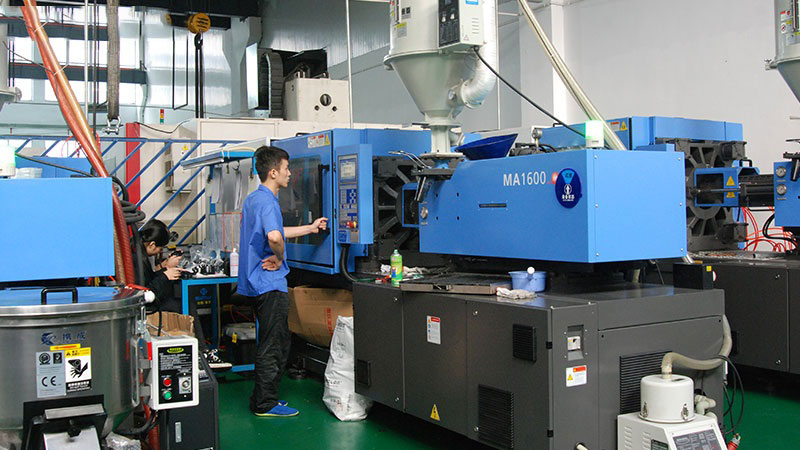
    The initial search phase is critical and moves far beyond a simple online query. While searching for a “custom injection mold maker near me” might yield local results, your true goal is to replicate that sense of proximity and trust with a partner thousands of miles away. Begin by leveraging specialized B2B platforms that cater to industrial manufacturing, as these attract serious suppliers with verified profiles. However, the cornerstone of modern supplier identification is digital verification. A professional China mold factory will have a substantial online footprint. Scrutinize their website for technical blogs, detailed case studies, and engineering-focused content. Use video conferencing tools to request virtual factory tours in real-time; a reputable supplier will readily showcase their CNC machining centers, EDM equipment, and quality control labs. This digital audit replaces the physical “near me” visit and is your first filter for supplier legitimacy.

    Once you have a shortlist, the process of supplier verification intensifies. Due diligence is non-negotiable. Request a detailed company profile including business licenses, export history, and client references, preferably from companies in your region or industry. For injection mold procurement, technical capability is paramount. Provide a preliminary part design or concept and request a Design for Manufacturability (DFM) report. A competent supplier will proactively suggest optimizations for mold flow, material selection, gate locations, and ejection to enhance part quality and reduce tooling cost. This DFM interaction is a litmus test for their engineering prowess and collaborative approach. Furthermore, insist on a transparent breakdown of the quotation, separating costs for mold base, cavity and core machining, surface treatments, and any required certifications. Clarify terms for mold ownership, warranty period for workmanship, and provisions for future mold modifications.

    The heart of a successful partnership lies in implementing rigorous, multi-stage quality control protocols from the very beginning. Do not relegate QC to a final inspection before shipment. Instead, integrate it into the entire mold manufacturing timeline. Define and agree upon Critical-to-Quality (CTQ) dimensions and cosmetic standards in the technical agreement. Require that your China mold factory provides First Article Inspection (FAI) reports with CMM data for the initial molded samples, comparing them directly against your part drawings. For complex tools, mandate milestone inspections, such as photos or videos after mold steel machining, after texturing, and after assembly. Many overseas buyers engage third-party quality inspection services located near the factory to conduct pre-shipment audits and sample testing. This layered QC strategy mitigates risk and ensures the final injection mold meets your exact specifications, preventing costly delays and rework after the tool arrives at your facility.

    Effective communication and project management are the glue that holds the international procurement process together. Establish a single point of contact on the supplier’s side who is fluent in English and technically competent. Utilize collaborative project management tools to track progress, share documents, and log decisions. Be explicit about your expectations regarding update frequency—whether weekly reports, or bi-weekly video calls. Understanding cultural nuances in communication can prevent misunderstandings; for instance, a “yes” may sometimes indicate understanding rather than agreement. When discussing timelines, build in buffers for unforeseen complexities. A professional custom injection mold maker near you in spirit will prioritize clear, proactive communication, ensuring you are never left in the dark about your project’s status, just as you would expect from a local partner.

    Finally, view your initial mold order as the foundation for a long-term strategic partnership. A reliable Chinese injection mold supplier becomes an extension of your product development team. Discuss their capacity for future work, such as mold maintenance, storage, and production of spare components. Inquire about their capabilities in related services like injection molding production, which can streamline your supply chain. For 2026 and beyond, leading suppliers are investing in smart manufacturing and sustainability; understanding their roadmap can align with your own company’s strategic goals. Building this relationship transforms a transactional purchase into a valuable asset that supports your product lifecycle for years to come.

    In conclusion, while a geographical search for a “custom injection mold maker near me” may not point to China, a strategic search for world-class capability, cost-effectiveness, and reliable partnership most certainly will. The key to success in 2026 lies in a methodical approach: leveraging digital tools for thorough supplier verification, engaging in deep technical collaboration during DFM, enforcing staged quality control, and fostering transparent communication. By treating your chosen China mold factory not as a distant vendor but as a closely integrated manufacturing partner, you secure a competitive edge. This guide provides the framework to navigate the complexities of international injection mold procurement with confidence, ensuring your investment delivers precision, quality, and value for the long term.

    Work With Us

    As a professional China mold manufacturer, we provide one-stop mold solution for overseas buyers.
    📞 Phone: +86-18605944639
    💬 WhatsApp: +8618605944639
    🌐 Website: bestmoldworks.com
    📧 Email: [email protected]
  • mold tooling: Complete Procurement Guide 2026 | China Mold Factory

    For overseas buyers, sourcing high-quality, cost-effective mold tooling is a critical strategic decision that directly impacts product quality, time-to-market, and profitability. China remains the global epicenter for mold manufacturing, offering an unparalleled combination of technical expertise, advanced capabilities, and competitive pricing. However, navigating this vast market to find a reliable partner requires a structured and informed approach. This guide is designed to demystify the procurement process, providing you with actionable, professional strategies to successfully import molds from China in 2026 and beyond. We will move beyond generic advice to solve the real challenges you face in supplier verification, communication, and quality assurance.

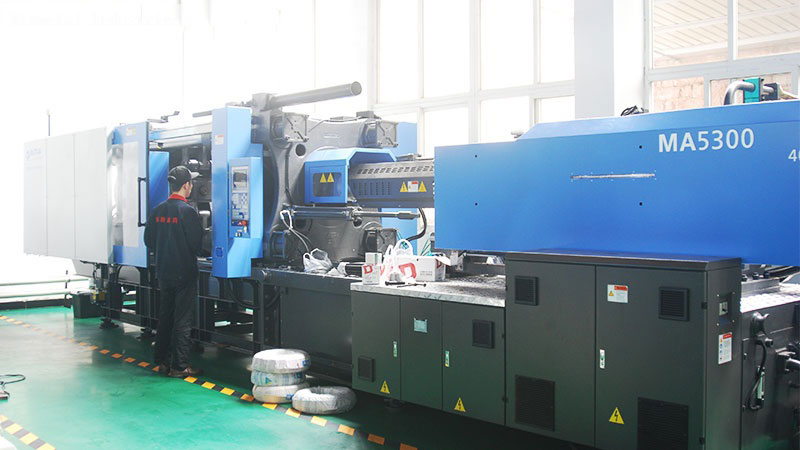
    The foundation of a successful procurement project is the meticulous selection and verification of your China mold factory. Begin with a deep-dive into potential suppliers’ specializations. A factory proficient in large automotive injection molds may not be the best fit for high-precision medical components. Scrutinize their portfolio for projects similar in complexity, material, and industry standards to yours. The verification phase is non-negotiable. Utilize third-party platforms for basic business license checks, but go further. Insist on a live video audit of the facility; this allows you to assess their machinery (e.g., CNC, EDM, CMM), workshop organization, and engineering team in real-time. Request and contact past international clients for references. In 2026, a credible supplier will be transparent, readily providing this information and demonstrating a clear understanding of international compliance and intellectual property protocols.

    Once a qualified supplier is shortlisted, mastering the technical and commercial negotiation phase is crucial. The cornerstone of this stage is a comprehensive, unambiguous Request for Quotation (RFQ). Your RFQ must include not just part drawings (in a universal format like STEP or IGES), but a detailed specification sheet covering material grade (e.g., pre-hardened steel like P20 or hardened steel like H13), surface finish requirements (SPI standards), tolerances, expected cavity life, and all critical dimensions. For injection molds, specify the resin, expected cycle time, and cooling requirements. This precision prevents costly misunderstandings and ensures you are comparing quotations on a like-for-like basis. Discuss payment terms frankly; standard terms like 50% deposit and 50% before shipment are common, but milestones tied to design approval and first article inspection can offer greater security. Clearly define ownership of all design files and mold assets from the outset.

    Proactive quality control, integrated throughout the manufacturing lifecycle, is what separates successful imports from problematic ones. Do not treat QC as a final inspection before shipment. Instead, mandate staged inspections with documented evidence. Key checkpoints include the initial material certification, the completion of the mold base machining, the first trial (T1) sample, and the final pre-shipment audit. For critical projects, investing in a third-party inspection service for the T1 sample is highly advisable. They can perform dimensional checks, material verification, and initial performance tests, providing an unbiased report. Furthermore, establish a clear sample approval process. Specify how many trial runs are included in the price, the format for sample submission (physical samples with inspection reports), and the turnaround time for feedback and modifications. This structured approach minimizes surprises and ensures the final mold tooling meets your exact specifications before it leaves the factory.

    The final logistical and partnership phase ensures your investment is protected and sets the stage for future collaboration. Prior to shipment, confirm all shipping terms (Incoterms 2020) are crystal clear—who handles export clearance, freight, and import duties? Professional mold packaging, using wooden crates with proper desiccants and rust prevention, is essential for long-distance transport. Ensure you receive a complete documentation package including the commercial invoice, packing list, bill of lading, and most importantly, the final mold design drawings, maintenance manual, and a certificate of conformity. Post-project, evaluate the supplier’s performance on metrics like communication effectiveness, adherence to schedule, and problem-solving responsiveness. A reliable China mold factory is not just a vendor but a long-term technical partner. Building this relationship facilitates smoother future projects, potential for design-for-manufacturability input, and consistent quality in your injection mold or other tooling needs.

    Importing mold tooling from China in 2026 presents a significant opportunity for competitive advantage. The process, while detailed, is manageable with a disciplined, professional approach centered on thorough supplier verification, crystal-clear technical communication, staged quality control, and careful logistical planning. By viewing your chosen China mold factory as a strategic partner and investing time in the upfront stages of procurement, you mitigate risk and unlock the full potential of China’s manufacturing excellence. The result is not merely a cost-effective mold, but a high-precision tool that reliably produces quality parts, driving your product’s success in the global marketplace.

    Work With Us

    As a professional China mold manufacturer, we provide one-stop mold solution for overseas buyers.
    📞 Phone: +86-18605944639
    💬 WhatsApp: +8618605944639
    🌐 Website: bestmoldworks.com
    📧 Email: [email protected]
  • custom plastic mold cost: Best Suppliers & Quality Cont 2026

    For overseas buyers, navigating the landscape of custom plastic injection molding in China presents a significant opportunity for cost efficiency and scalability. However, the central challenge often revolves around accurately understanding and controlling the custom plastic mold cost while ensuring the final product meets stringent quality standards. As we look toward 2026, the market is more competitive and sophisticated than ever. This guide cuts through the noise to provide actionable strategies for securing the best value—where cost savings do not come at the expense of quality, reliability, or project timelines.

    Understanding the variables that influence the custom plastic mold cost is your first line of defense against budget overruns and supplier misunderstandings. The price is not arbitrary; it is a direct function of specific, quantifiable factors. Key determinants include mold complexity (number of cavities, side actions, lifters), material selection (pre-hardened steel, stainless steel, aluminum), and the intended production volume which dictates mold durability requirements. Furthermore, part design intricacies, surface finish specifications (SPI/VDI standards), and lead time expectations all feed into the final quotation. A professional China mold factory will provide a detailed breakdown, not a single lump sum. Insist on this transparency to compare bids accurately and identify where value engineering can be applied without compromising the mold’s integrity.

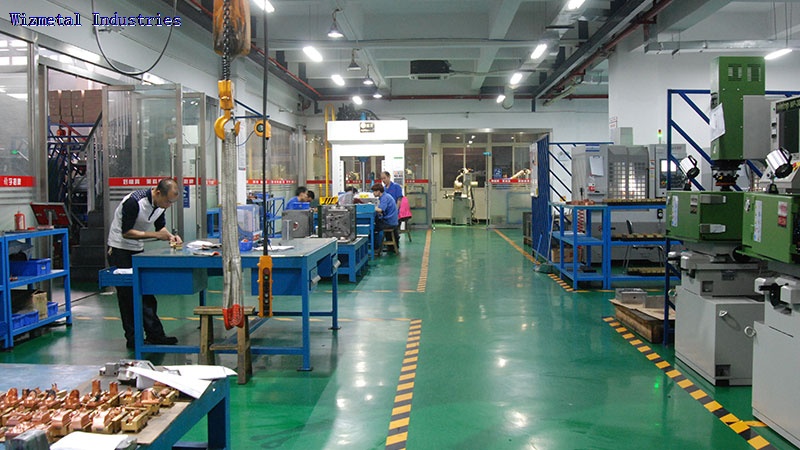
    Supplier verification is the most critical step in your procurement journey and the foundation for cost control in 2026. The cheapest initial quote can become the most expensive project due to delays, reworks, and quality failures. Begin with a multi-faceted verification process: scrutinize business licenses (via platforms like Tianyancha), demand a portfolio of past projects for overseas clients, and insist on virtual or in-person factory audits. Assess their engineering capability, not just their machining floor. Do they have dedicated project managers who communicate in clear English? Can they demonstrate expertise in Design for Manufacturability (DFM) feedback? A reliable partner will proactively engage in DFM to optimize your part and mold design, often reducing the final custom plastic mold cost by preventing manufacturability issues before tool steel is ever cut. This collaborative approach is a hallmark of a best-in-class supplier.

    Implementing a staged payment and prototyping process is a strategic financial and quality control measure. Rather than a 50/50 payment split, negotiate a terms structure tied to key milestones: for example, 30% upon order, 40% after T1 sample approval, and 30% before shipment. This aligns the supplier’s incentives with your quality goals. Crucially, budget for and mandate the production of T1 samples from the actual injection mold. This step is non-negotiable. It allows for physical verification of the part’s dimensions, fit, and function. Use this phase for rigorous testing. The cost of identifying and correcting flaws during sampling is exponentially lower than discovering them during full-scale production or after the mold has been shipped. This procedural checkpoint is where a competent China mold factory proves its value, providing detailed sample reports and swift engineering adjustments.

    Proactive quality control cannot be an afterthought; it must be engineered into the procurement contract and timeline. For 2026 and beyond, leading buyers are moving beyond simple final inspection. Specify your QC requirements upfront: which critical dimensions require CPK reports, what AQL sampling levels apply for production runs, and which certification standards (like ISO 9001) the supplier must adhere to. Engage a reputable third-party inspection company based in China to conduct audits during key stages: a First Article Inspection (FAI) after T1 samples, a During Production Inspection (DPI) after 15-20% of the order is made, and a Final Random Inspection (FRI) before container loading. This layered approach de-risks the entire process. The marginal added cost of professional inspections is a powerful insurance policy against defective goods, ensuring your investment in the injection mold translates into consistent, high-volume production of quality parts.

    Building a partnership, rather than treating the transaction as a one-off purchase, is the ultimate strategy for long-term cost management and quality assurance. The goal is to move from supplier verification to supplier integration. A true partner will offer insights into material trends, production efficiencies, and logistical optimizations for 2026. Foster this relationship through clear communication, fair business practices, and planned repeat engagements. Consider starting with a smaller, less complex mold project to evaluate performance before committing to larger, more critical tools. This partnership mindset transforms your chosen China mold factory from a vendor into an extension of your own manufacturing team, driving continuous improvement and providing predictable, optimized costs for future projects.

    In conclusion, mastering the custom plastic mold cost equation for 2026 is a disciplined blend of technical understanding, rigorous supplier vetting, and embedded quality protocols. The journey from procurement to consistent production hinges on selecting a partner whose definition of value aligns with yours—where cost efficiency is achieved through expertise and precision, not through corner-cutting. By applying these actionable steps—demanding cost transparency, enforcing staged verification, and implementing multi-tiered quality control—you transform the perceived risks of importing molds from China into a formidable competitive advantage. Your focus must remain fixed on total cost of ownership, where the initial tooling investment paves the way for years of reliable, high-quality plastic part manufacturing.

    Work With Us

    As a professional China mold manufacturer, we provide one-stop mold solution for overseas buyers.
    📞 Phone: +86-18605944639
    💬 WhatsApp: +8618605944639
    🌐 Website: bestmoldworks.com
    📧 Email: [email protected]
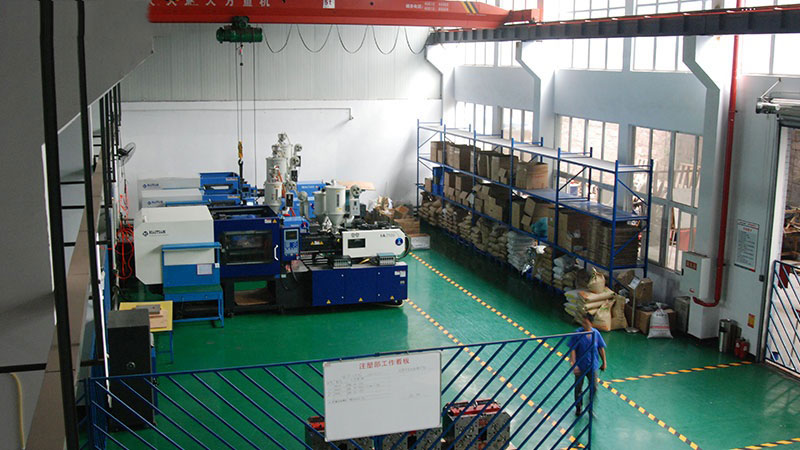
  • custom injection mold: Best Suppliers & Quality Control 2026

    For overseas buyers, procuring a custom injection mold from China represents a significant opportunity to achieve cost efficiency and access world-class manufacturing capabilities. However, the path from concept to a perfect, production-ready mold is fraught with potential challenges. The core dilemma is universal: how do you balance competitive pricing with uncompromising quality and reliability? As we look toward 2026, the landscape is evolving, with leading suppliers differentiating themselves through technology and process transparency. This guide cuts through the noise, offering actionable strategies to navigate supplier selection and implement robust quality control, ensuring your next mold procurement project is a resounding success.

    The foundation of any successful import project is rigorous supplier verification. Moving beyond simple Alibaba listings is crucial for a critical component like a custom injection mold. Begin by identifying factories with demonstrable expertise in your specific industry, whether automotive, medical, consumer electronics, or packaging. Scrutinize their portfolio for projects of similar complexity and material use. The best China mold factory for you will proactively offer virtual or in-person facility tours, showcasing their CNC machining centers, EDM equipment, and mold trial presses. Essential verification steps include checking business licenses, requesting references from existing overseas clients, and confirming international quality certifications like ISO 9001. In 2026, leading suppliers are expected to further leverage digital tools, providing real-time access to project management portals and design collaboration platforms, making the verification process more transparent than ever.

    Once a potential partner is identified, the focus shifts to pre-production quality planning. This phase is where ambiguities are eliminated and standards are locked in. A professional injection mold supplier will not simply accept your 3D file and quote; they will engage in a Design for Manufacturability (DFM) review. This collaborative process is critical. It identifies potential issues in part design that could lead to mold weakness, filling problems, or excessive wear. Insist on a detailed DFM report with recommendations. Simultaneously, establish a clear, mutually approved Quality Inspection Plan (QIP). This document must specify all critical dimensions, surface finish requirements (SPI standards), mold steel grade and hardness certifications, hot runner system brands (if applicable), and the testing protocol. Defining these parameters upfront, before machining begins, aligns expectations and provides the objective benchmark for all subsequent quality control stages.

    The true test of a supplier’s capability occurs during the manufacturing and sampling phases. For overseas buyers, physical distance makes proactive monitoring essential. Demand a structured milestone update system with photographic and video evidence. Key checkpoints include steel material inspection, cavity and core machining completion, mold assembly, and first trial shots. The initial Trial Run Report (TTR) is a vital document. It should document all process parameters (injection speed, pressure, temperatures), present measurements of the molded samples against the dimensional report, and include high-resolution images of the parts. In 2026, forward-thinking mold factories are increasingly using IoT-connected machines and cloud-based monitoring, allowing buyers to view progress and key performance indicators remotely, adding a layer of verification previously unavailable.

    Final pre-shipment inspection is your last line of defense before the mold leaves the factory floor. While your supplier will conduct their own Final Quality Control (FQC), hiring an independent third-party inspection (3PI) service is a highly recommended investment for high-value tools. A qualified inspector will perform a comprehensive dimensional check on the final molded parts, verify the mold’s construction and functionality on the press (including cycle time), and audit the mold’s completeness and packaging. They act as your eyes on the ground, ensuring the physical product matches the approved samples and agreed specifications. This step mitigates the risk of costly rework or delays upon arrival at your production facility. It transforms quality assurance from a promise into a verified fact.

    In conclusion, importing a custom injection mold from China in 2026 will be defined by strategic partnership and data-driven assurance, not just cost negotiation. The journey from a reliable China mold factory to your production floor hinges on a meticulous process: vetting suppliers for proven expertise and transparency, co-developing unambiguous quality plans, actively monitoring manufacturing milestones, and validating output through independent inspection. By adopting this structured approach to procurement and quality control, you transform the inherent complexities of overseas mold making into a predictable, professional, and highly advantageous endeavor. The result is not merely a tool, but a durable asset that delivers consistent part quality, optimizes your production efficiency, and secures your competitive edge for years to come.

    Work With Us

    As a professional China mold manufacturer, we provide one-stop mold solution for overseas buyers.
    📞 Phone: +86-18605944639
    💬 WhatsApp: +8618605944639
    🌐 Website: bestmoldworks.com
    📧 Email: [email protected]

  • custom plastic mould Manufacturerturers: Complete Procu 2026

    For overseas buyers, sourcing custom plastic injection molds from China remains a strategic decision to balance cost, capability, and speed to market. However, navigating this complex landscape requires an updated and methodical approach. The year 2026 will see a mature market where differentiation between suppliers is less about price alone and more about technological integration, project management transparency, and supply chain resilience. This guide provides a practical, step-by-step framework for your procurement journey, designed to solve real problems and mitigate the common pitfalls of international mold sourcing.

    The foundation of a successful project lies in selecting the right China mold factory. Moving beyond simple online directories, a more nuanced verification process is critical. Start with a deep technical review. A capable custom plastic mould manufacturer should readily provide detailed case studies of similar projects, including part design complexity, materials used, and tolerances achieved. Utilize video conferencing for virtual factory tours, insisting on seeing live production floors and quality control labs, not just curated presentation areas. Crucially, verify their expertise in specific molding technologies relevant to your part—be it multi-cavity molds, hot runner systems, gas-assisted injection, or two-shot molding. Third-party verification platforms and industry-specific B2B websites with verified transaction records can add a layer of trust to your initial shortlisting process.

    Once a potential partner is identified, the procurement phase transitions to precise communication and contractual clarity. The single most important document is the comprehensive and mutually signed Technical Specification Sheet. This must go beyond part drawings to include every mold detail: steel grade and hardness (e.g., P20, H13, S136), surface finish specifications, cavity and core life expectancy, cooling channel design, ejection mechanism, and gate type and location. Clearly define all deliverables: are 3D mold flow analysis reports included? What about sample parts from the initial trial (T1) and subsequent revisions? Payment terms should be structured in stages—typically a deposit, a milestone payment upon first article inspection, and balance after final approval—to align interests and manage risk. A professional contract should address intellectual property ownership, confidentiality, and liability for design flaws or delays.

    Active quality control cannot be an afterthought; it must be integrated throughout the manufacturing lifecycle. For overseas buyers, a hybrid approach works best. Require the supplier to provide documented evidence at each stage: material certificates for the mold steel, in-process inspection reports (e.g., for CNC machining, EDM, polishing), and a detailed pre-shipment inspection report with dimensional checks using CMM data. Partnering with a local third-party quality inspection firm in China for critical checkpoints, especially during the First Article Inspection (FAI), provides objective validation before the mold leaves the factory. Discuss and agree upon the sample approval process upfront. How many sample cycles are included in the quote? What is the protocol for communicating and approving changes after each trial? This proactive stance prevents costly misunderstandings and ensures the final mold meets your production requirements.

    The most reliable custom plastic mould manufacturers distinguish themselves through project management and post-sales support. Expect and require a dedicated project manager who communicates in clear English (or your preferred language) and provides regular, structured updates with photos and videos. They should use shared project management tools or at a minimum, detailed weekly reports. Post-sales support is a key differentiator. Clarify the warranty terms—typically 12 to 24 months against manufacturing defects—and the process for handling wear and tear or damage during production. Ask about their policy for mold maintenance, repair, and the availability of spare components. A forward-thinking supplier will see the mold as the start of a long-term partnership for your ongoing production needs, not just a one-time transaction.

    In conclusion, procuring an injection mold from China in 2026 demands a blend of rigorous vetting, precise communication, embedded quality checks, and partnership-focused collaboration. By systematically applying these actionable steps—from thorough supplier verification to meticulous quality control protocols—you transform a potentially risky endeavor into a competitive advantage. The goal is to build a relationship with a China mold factory that is not merely a vendor but a technical extension of your own team, capable of delivering high-quality tooling that drives your product’s success for years to come. Your informed and diligent procurement strategy is the most critical component in ensuring that outcome.

    Work With Us

    As a professional China mold manufacturer, we provide one-stop mold solution for overseas buyers.
    📞 Phone: +86-18605944639
    💬 WhatsApp: +8618605944639
    🌐 Website: bestmoldworks.com
    📧 Email: [email protected]

  • custom plastic mold Manufacturerturer near me: Profess 2026

    For overseas buyers, the search for a “custom plastic mold manufacturer near me” often reveals a critical truth: the most competitive solutions for high-quality, cost-effective tooling are frequently not local, but global. As we move into 2026, the paradigm has shifted. The question is no longer about finding the closest geographical supplier, but about professionally connecting with the most capable one, which often leads directly to a specialized China mold factory. This guide cuts through the noise to provide a professional, actionable framework for overseas procurement teams and entrepreneurs to successfully navigate this process, mitigate risks, and secure a reliable manufacturing partnership.

    The core challenge in 2026 is not simply finding a list of Chinese manufacturers, which is abundantly available online. The real task is executing a disciplined, verification-heavy procurement strategy that bridges the physical and cultural distance. Success hinges on moving beyond price as the sole determinant and building a relationship based on demonstrated technical capability, transparent processes, and proven quality control systems. This professional approach transforms the search from a transactional hunt for the lowest quote to a strategic investment in a supply chain asset.

    **Conducting Meticulous Supplier Verification and Capability Assessment**

    Your first line of defense against project failure is rigorous supplier verification. In 2026, due diligence must go far beyond a website gallery. Start by verifying business licenses and export credentials. Utilize third-party inspection services for an initial background check. The critical step is a deep capability assessment. Request detailed case studies for projects similar in complexity, material, and volume to yours. Ask for videos of their machining centers (EDM, CNC, deep-hole drilling) and injection molding presses in operation. A professional China mold factory will be transparent about its equipment list, showcasing modern, well-maintained machinery. Furthermore, insist on a video conference tour of the facility. This virtual audit allows you to assess factory organization, cleanliness, and gauge the engineering team you will be working with directly.

    **Mastering the RFQ Process for Technical and Commercial Clarity**

    A vague request for quotation (RFQ) guarantees inconsistent and incomparable bids. To professionalize your procurement, your RFQ must be a comprehensive technical package. Include a fully detailed 3D part design (STEP or IGS format), 2D drawings with critical dimensions, tolerances, and GD&T callouts clearly marked. Specify the intended plastic material, expected annual volumes, and critical part functions (e.g., cosmetic Class A surface, living hinge, ultrasonic welding). Demand a detailed breakdown in the quotation: mold base standard (LKM, HASCO, DME), steel grade for each component (e.g., P20 cavity, H13 core, S136 for corrosion resistance), number of cavities, hot runner system brand (if applicable), and a stage-gated payment schedule linked to deliverables (e.g., 30% upon order, 40% after T1 sample approval). This forces suppliers to quote on identical scopes, moving the conversation from price to value and technical solution.

    **Implementing a Stage-Gated Quality Control and Communication Protocol**

    The most common pitfall is assuming quality will match the approved sample. To prevent this, institute a formalized Quality Control (QC) protocol from day one. Contractually define inspection milestones: First Article Inspection (FAI) on the finished mold, Trial Run (T1) sample inspection with full CMM report and dimensional results, and Pre-Shipment Inspection (PSI). For critical projects, consider engaging a local third-party QC agency in the manufacturer’s region for impartial on-site checks during these stages. Simultaneously, establish a crystal-clear communication protocol. Designate a single point of contact on both sides, preferably a project engineer fluent in technical English. Use shared cloud platforms for drawing revisions and require weekly update reports with photos and videos. This structured approach ensures you are never in the dark and that quality is baked into the process, not inspected in at the end.

    **Planning for Logistics, IP Protection, and Long-Term Partnership**

    Securing a perfect injection mold is only half the battle; you must get it to your production line safely and legally. Discuss incoterms (FOB, EXW, DAP) explicitly with your supplier to avoid hidden costs. Engage a freight forwarder experienced in handling delicate模具 (molds) to arrange secure packing, shipping, and customs clearance. Intellectual Property (IP) protection remains a paramount concern. While a well-drafted NDA and contract are essential, the most practical protection is working with a reputable supplier whose business model relies on repeat customers and reputation, not IP theft. View the relationship through a long-term lens. A reliable custom plastic mold manufacturer near me, in a global sense, is a partner for future projects. Their understanding of your quality standards and design intent reduces lead times and costs on subsequent orders, building immense strategic value.

    In conclusion, the search for a custom plastic mold manufacturer near me in 2026 is fundamentally a search for professional competence, not proximity. By redefining “near me” as “strategically aligned and professionally accessible,” overseas buyers unlock the vast potential of Chinese mold manufacturing. The journey demands a disciplined focus on verification, technical clarity in procurement, rigorous quality control gates, and strategic logistics planning. By adopting this structured approach, you transform the inherent challenges of distance into a competitive advantage, securing not just a tool, but a reliable manufacturing partner capable of supporting your product’s lifecycle for years to come. The future of efficient manufacturing lies in this professional, connected, and quality-driven global partnership.

    Work With Us

    As a professional China mold manufacturer, we provide one-stop mold solution for overseas buyers.
    📞 Phone: +86-18605944639
    💬 WhatsApp: +8618605944639
    🌐 Website: bestmoldworks.com
    📧 Email: [email protected]

  • custom injection molding near me: Complete Procurement 2026

    For overseas buyers, the search for “custom injection molding near me” often reveals a frustrating reality: limited local options, prohibitively high costs, and extended lead times. In today’s globalized manufacturing landscape, the most strategic and cost-effective solution frequently lies not in your immediate geography, but in partnering with a specialized China mold factory. The year 2026 demands a evolved, savvy approach to international procurement—one that moves beyond simple price comparison to build secure, efficient, and high-quality supply chains. This guide is your actionable blueprint for successfully navigating the complete process of importing precision injection molds from China, transforming a complex overseas venture into a streamlined competitive advantage.

    Mastering the Digital Supplier Landscape and Initial Verification

    The first step is moving from generic searches to targeted discovery. Instead of broad platforms, focus on B2B industry-specific sites like Global Sources or Made-in-China, and crucially, utilize technical keywords. Search for “precision injection mold maker” or “plastic mold for [your industry]” to filter results. A professional China mold factory will have a detailed website showcasing engineering capabilities, mold flow analysis examples, and client case studies. Once a shortlist is formed, initiate verification. This is non-negotiable. Request a video tour of their facility—insist on seeing the CNC, EDM, and quality control labs in real-time. Verify business licenses and ask for references from past overseas clients. In 2026, a reputable supplier expects and facilitates this transparency; hesitation is a major red flag. This phase replaces the “near me” convenience with verified, global capability.

    Engineering Collaboration and The DFM Foundation

    The core of a successful project is the Design for Manufacturability (DFM) review. Before any steel is cut, your chosen injection mold supplier must provide a comprehensive DFM report. This document is where true partnership begins. It will analyze your part design, suggest draft angles, wall thickness optimization, gate locations, and ejection strategies to ensure the mold is robust and the parts are producible. Embrace this collaborative stage. A skilled Chinese engineering team can identify cost-drivers and potential flaws that might be missed locally. Clear, detailed 3D drawings (STEP or IGS formats) and material specifications are essential. Establishing a single point of contact for technical queries streamulates communication and prevents errors. This proactive engineering dialogue is more valuable than geographic proximity.

    Navigating Quotations and The Contract with Precision

    A professional quotation from a Chinese mold factory should be exhaustive, not just a single bottom-line price. Scrutinize it for breakdowns: mold base steel grade (e.g., P20, 718, S136), cavity and core material, number of cavities, anticipated mold life, surface finish (SPI standards), and all ancillary costs like T1 sample shipping. Clearly define payment terms; a common and secure structure is 50% deposit, 40% after T1 sample approval, and 10% after final delivery. The contract must explicitly state ownership of the mold design and the physical tooling. Include clauses for progress milestones with photo/video evidence, a detailed quality control plan, and protocols for handling design changes (ECN process). In 2026, your contract is your primary local enforcement tool.

    Implementing Rigorous Stage-Gate Quality Control

    Quality cannot be inspected into a finished mold; it must be built in through monitored stages. Mandate key inspection points. First, after mold design completion. Second, during mold fabrication—request photos of the finished mold cavity and core blocks before assembly. The most critical gate is the First Article Inspection (FAI) upon receiving the T1 sample parts. Do not approve samples based on photos alone. Ship several samples to your location or a third-party inspection service in China for precise CMM measurement, material certification verification, and functional testing. Use this data for approval, not subjective opinion. For buyers thinking “custom injection molding near me” ensures easier oversight, modern digital tools—shared inspection reports, live video calls on the shop floor, and cloud-based project management—create virtual proximity that is often more thorough than occasional local visits.

    Logistics, Ownership, and Building a Long-Term Partnership

    Finalize shipping terms (Incoterms 2026) clearly, typically FOB or EXW. Ensure the supplier provides a complete mold manual, including maintenance instructions and spare parts list. Arrange marine insurance for the shipment. Upon successful completion of your first project, you have laid the groundwork for a powerful partnership. Consolidating future mold projects with a verified, high-performing supplier yields significant long-term benefits: deeper understanding of your quality standards, preferential pricing, and faster turnaround. This strategic relationship becomes your de facto, highly efficient “custom injection molding near me” solution on a global scale, offering scalability and cost advantages that local shops often cannot match.

    Conclusion

    The procurement journey for injection molds in 2026 is defined by digital diligence, engineering collaboration, and controlled execution. By systematically verifying your China mold factory, engaging deeply in the DFM process, contracting with precision, enforcing staged quality controls, and managing logistics professionally, you mitigate the perceived risks of distance. The outcome is not merely a cost-saving, but access to world-class manufacturing expertise, advanced technological capabilities, and a supply chain that delivers exceptional value. For the discerning overseas buyer, this strategic approach to global procurement ultimately provides a more reliable, scalable, and competitive solution than the limited search for local options.

    Work With Us

    As a professional China mold manufacturer, we provide one-stop mold solution for overseas buyers.
    📞 Phone: +86-18605944639
    💬 WhatsApp: +8618605944639
    🌐 Website: bestmoldworks.com
    📧 Email: [email protected]

  • custom injection mold Manufacturerturer: Reliable Manu 2026

    For overseas buyers, the decision to import molds from China represents a significant strategic advantage, offering unparalleled cost efficiency and manufacturing scale. However, the path to a successful partnership with a custom injection mold manufacturer is often paved with complexities, from supplier verification to consistent quality control. As we look toward 2026, the landscape is evolving, demanding more sophisticated approaches to procurement. This guide cuts through the noise to provide actionable, professional strategies for identifying and collaborating with a reliable China mold factory, ensuring your injection mold project delivers on its promise of value, precision, and timeliness.

    The cornerstone of any successful import venture begins with rigorous supplier verification. Moving beyond simple Alibaba listings is non-negotiable in 2026. Start by scrutinizing the manufacturer’s specialization. A factory claiming to do everything may master nothing. Seek out a custom injection mold manufacturer with a proven portfolio in your specific industry, whether automotive components, medical devices, or consumer electronics. Demand evidence through detailed case studies, and insist on a virtual or recorded factory tour. Key verification steps must include checking business licenses, reviewing international quality certifications like ISO 9001, and, crucially, conducting video interviews with their engineering and project management teams. This process separates marketing fronts from genuine, capable partners.

    Once a potential partner is identified, mastering the technical and commercial dialogue is critical. A professional China mold factory expects and respects detailed inquiries. Prepare a comprehensive Request for Quotation that goes beyond part drawings. Include material specifications, expected annual volumes, cycle time targets, and cosmetic requirements. Discuss mold flow analysis upfront; a reliable supplier will proactively offer this simulation to predict and prevent filling issues, warpage, and sink marks. Transparency in cost breakdown is also essential. Understand what the quote includes: Is it a turnkey price covering mold design, fabrication, sampling, and post-processing? Clarifying these elements upfront prevents costly misunderstandings and establishes a foundation of professional respect and clear expectations.

    The most common apprehension for overseas buyers is maintaining quality control from thousands of miles away. In 2026, technology and process are your allies. Insist on a staged inspection protocol integrated into the project timeline. Key inspection points typically include a First Article Inspection after the mold is machined but before heat treatment, a Trial Run Inspection with sample parts off the production mold, and a Final Random Inspection before shipment. Partner with a reputable third-party quality inspection firm based in China for objective assessments. Furthermore, define and agree upon measurable quality standards early. This includes using Detailed Inspection Reports with CMM data, surface finish measurements, and part weight consistency checks. A trustworthy custom injection mold manufacturer will not resist this but will see it as a sign of a serious, long-term oriented buyer.

    Effective procurement extends beyond the initial purchase to encompass the entire lifecycle of the injection mold. Discuss and formalize terms for mold maintenance, repair, and storage. Who is responsible for design changes? What are the costs and lead times for mold modifications? Establishing a clear framework for post-delivery support is a hallmark of a reliable partnership. Additionally, consider intellectual property protection. Ensure your contract includes robust confidentiality and IP ownership clauses, explicitly stating that all mold designs and tooling remain your exclusive property. While legal enforcement across borders can be challenging, a professionally drafted agreement with a reputable supplier acts as a strong deterrent and a clear statement of your serious intent.

    Navigating logistics and fostering a sustainable partnership are the final, crucial steps. Work with your chosen China mold factory to determine the optimal shipping method—air freight for urgency or sea freight for cost-effectiveness on heavy molds. Ensure they have experience in professional export packing, using desiccants and rust inhibitors to protect the precision tooling during transit. Finally, view this not as a transactional purchase but as a strategic alliance. Regular communication, fair dealings, and a focus on mutual success transform a supplier into a true extension of your manufacturing capability. As supply chains become more integrated, the value of a responsive, transparent, and technically proficient partner only increases.

    Importing injection molds from China in 2026 requires a blend of diligent verification, technical clarity, and proactive quality management. The goal is to move from being an overseas buyer to becoming a valued international partner for a capable China mold factory. By implementing these structured approaches to supplier verification, technical communication, and quality control, you significantly de-risk the procurement process. The result is a successful partnership that delivers not just a tool, but a reliable, high-quality production asset that drives your product’s success for years to come.

    Work With Us

    As a professional China mold manufacturer, we provide one-stop mold solution for overseas buyers.
    📞 Phone: +86-18605944639
    💬 WhatsApp: +8618605944639
    🌐 Website: bestmoldworks.com
    📧 Email: [email protected]

  • mold tooling: Best Suppliers & Quality Control 2026

    For overseas buyers, sourcing mold tooling from China remains a powerful strategy to achieve significant cost savings and access extensive manufacturing expertise. However, the journey from initial procurement to receiving a flawless injection mold is fraught with potential challenges. Success in 2026 demands more than just finding a low quote; it requires a disciplined approach to supplier verification and a robust quality control framework. This guide provides actionable, professional insights to navigate the Chinese mold manufacturing landscape effectively, ensuring your investment delivers precision, reliability, and value.

    The foundation of a successful import project is thorough supplier verification. Moving beyond Alibaba listings is crucial. Start by identifying a shortlist of China mold factories with proven experience in your specific industry, whether automotive, consumer electronics, medical devices, or packaging. Scrutinize their technical capabilities: what types of mold tooling do they specialize in? Request detailed case studies and, ideally, contact their existing overseas clients. A legitimate supplier will readily provide this. In 2026, leveraging video conferencing for virtual factory tours is standard practice. Observe their workshop organization, machinery (look for modern CNC, EDM, and high-speed milling equipment), and their in-house quality assurance stations. This due diligence phase filters out trading companies and under-equipped workshops, directing you toward true manufacturing partners.

    Once a potential partner is identified, the technical procurement phase begins. The clarity of your Request for Quotation (RFQ) package directly impacts the accuracy of quotes and the final mold quality. This package must include a comprehensive 3D product model (STEP or IGES), detailed 2D drawings with critical dimensions and tolerances clearly marked, and material specifications for both the mold (e.g., P20, H13, stainless steel) and the intended plastic resin. Specify the expected production volume, as this influences mold steel selection and hardening requirements. Crucially, discuss and agree upon all injection mold design standards upfront—mold flow analysis reports, cooling line layout, gate type, ejection system, and surface finish (SPI standards). Documenting these specifications in a formal Technical Agreement prevents costly misunderstandings and change orders later.

    Implementing proactive quality control is non-negotiable. The old model of “blind shipping” is obsolete. For serious buyers, a multi-stage inspection protocol is essential. First, insist on a First Article Inspection (FAI) after the mold is manufactured but before trial shots. This verifies core and cavity dimensions against your CAD data using CMM reports. Next, the Trial Run Stage is critical. Require a video recording of the mold trial, showing the machine parameters, cycle time, and the ejection process. The supplier must then ship pre-agreed samples (often called “T1 samples”) to you for dimensional and functional testing. For high-value or high-volume projects, engaging a local third-party quality inspection firm to conduct an on-site Pre-Shipment Inspection (PSI) during the trial run provides an unbiased assessment. This layered QC approach shifts quality assurance from a reactive to a proactive process.

    Managing logistics and fostering a long-term partnership are the final, strategic steps. Understand the Incoterms in your contract; FOB is common, giving you control over shipping and insurance. Ensure the China mold factory properly prepares the mold for export—this includes thorough rust prevention, secure packaging in a wooden crate, and comprehensive documentation (commercial invoice, packing list, and material certifications). Post-project, a structured feedback loop is valuable. A reliable supplier is an asset. Building a transparent, communicative relationship encourages continuous improvement and can lead to better pricing and priority service for future projects. In 2026, your goal should be to transition from a one-time buyer to a valued, long-term partner.

    In conclusion, importing high-quality mold tooling from China in 2026 is a highly viable strategy when executed with precision and foresight. The process hinges on meticulous supplier verification, crystal-clear technical procurement, and an unwavering commitment to staged quality control. By moving beyond price as the sole deciding factor and investing time in evaluating the true capabilities of a China mold factory, you mitigate risk and secure a competitive advantage. Remember, the cheapest mold often becomes the most expensive one. Adopting this professional, systematic approach will ensure your injection mold procurement delivers not only immediate project success but also builds a resilient supply chain for the years ahead.

    Work With Us

    As a professional China mold manufacturer, we provide one-stop mold solution for overseas buyers.
    📞 Phone: +86-18605944639
    💬 WhatsApp: +8618605944639
    🌐 Website: bestmoldworks.com
    📧 Email: [email protected]