For overseas buyers, the decision to import molds from China represents a significant strategic advantage, offering unparalleled cost efficiency, advanced manufacturing capabilities, and scalable production. However, navigating the vast landscape of suppliers to find a reliable silicone mould factory can be a complex undertaking fraught with potential pitfalls. This guide is designed to cut through the noise and provide a clear, actionable procurement framework for 2026, focusing on practical steps to ensure quality, reliability, and a successful partnership with a China mold factory.
Understanding Your Project Specifications and Material Science
Before initiating contact with any supplier, crystallize your project requirements. This foundational step is critical for obtaining accurate quotations and setting clear expectations. Move beyond basic dimensions; provide detailed 2D/3D drawings (IGES, STEP files), specify critical tolerances, and define the expected production volume. Crucially, engage in a technical dialogue about material selection. The term “silicone mould” often refers to molds made from Liquid Silicone Rubber (LSR) for injection molding processes, used to produce silicone parts. Alternatively, you may require silicone rubber molds (like RTV silicone) used for casting resins, concrete, or food products. Clarifying this distinction upfront will immediately qualify or disqualify potential partners. A professional China mold factory will offer consultative input on material grade, hardness (Shore A), temperature resistance, and FDA/ROHS compliance needs based on your application, ensuring the final tool meets functional demands.
The Strategic Supplier Verification and Vetting Process
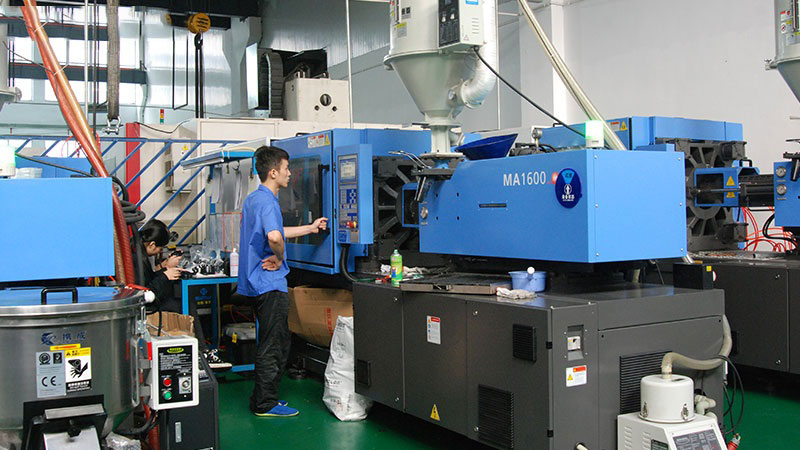
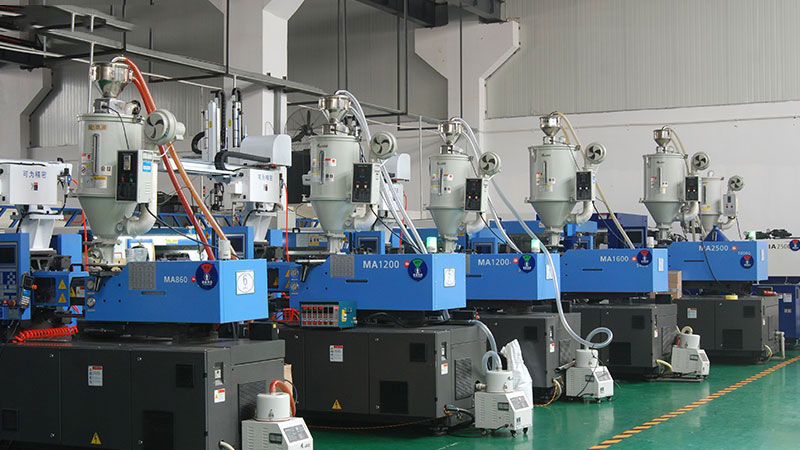
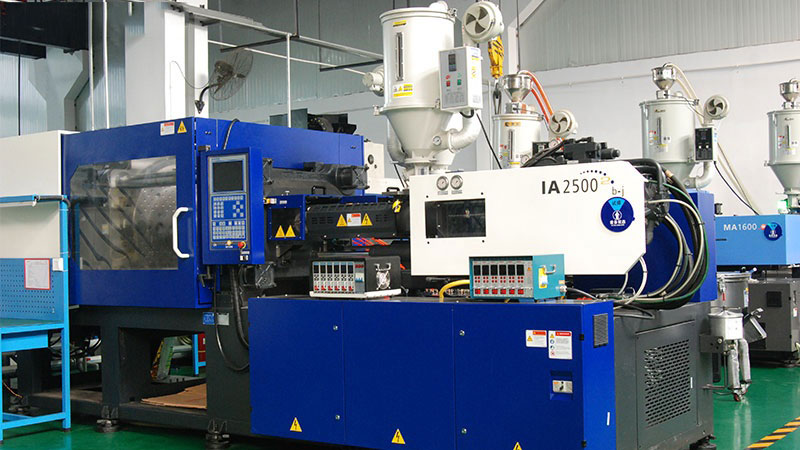
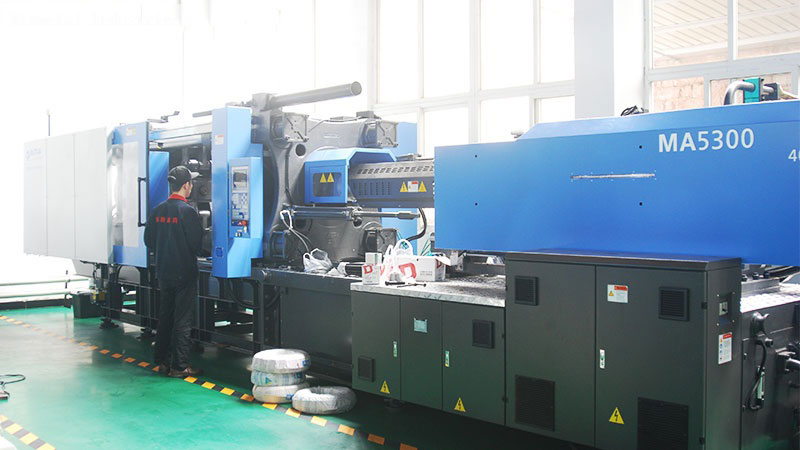
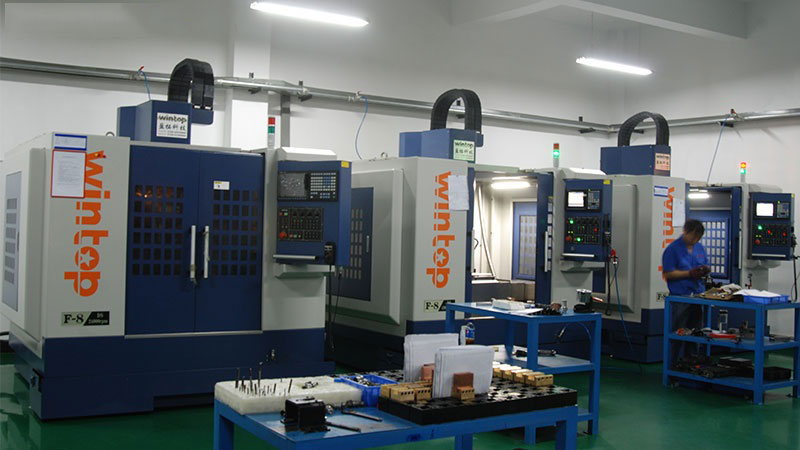
Finding a manufacturer is easy; finding a competent partner requires diligent verification. In 2024, leverage digital tools but go deeper. Start with a comprehensive online audit of shortlisted companies. Analyze their website portfolio for projects similar in complexity to yours. Use platforms like Made-in-China.com or Alibaba.com as starting points, but prioritize suppliers with independent websites and verifiable contact information. The next non-negotiable step is to conduct a video conference factory tour. In 2026, a reputable supplier will readily facilitate this. Observe the workshop environment, machinery (look for modern LSR injection molding machines or vacuum casting equipment), and quality control stations. Request and contact at least two past international client references. Furthermore, verify business licenses and, for higher-value projects, consider a third-party verification report to confirm operational scale and legitimacy. This phase is not about finding the cheapest bidder but identifying the most technically capable and transparent silicone mould factory for your long-term needs.
Navigating Quotation Analysis and Contract Safeguards
A professional quotation from a credible injection mold supplier will be transparent and itemized. Be wary of suspiciously low quotes, as they often signal corner-cutting on materials, machining precision, or post-processing. A detailed breakdown should include costs for mold design, mold base steel (e.g., 718, NAK80), cavity/core machining, hot runner system (if applicable), LSR injection points, surface finishing (texture, polishing), and a clear prototype sampling procedure. Crucially, define the payment terms. A standard secure structure is 30-50% deposit, 40-60% before shipment, with perhaps 10% retained until sample approval. Your contract must explicitly state ownership of the mold design and tooling. Include key performance indicators: lead time, a defined number of sampling iterations, and the procedure for handling design changes (ECN) with associated costs. This legal framework protects your investment and sets a professional tone for the engagement.
Implementing Rigorous Pre-Shipment Quality Control Protocols
Quality control cannot be an afterthought; it must be integrated into the procurement timeline. While a reputable China mold factory will have its own QC, your independent checks are vital. Define the Quality Inspection Plan (QIP) before production begins. For the mold itself, this involves a First Article Inspection (FAI) using a Coordinate Measuring Machine (CMM) report to verify critical dimensions against your CAD data. For silicone parts produced from the mold, establish Acceptable Quality Limits (AQL) for visual defects and dimensional checks. For critical projects, engage a local third-party inspection company to conduct an on-site inspection during the sampling stage and again for pre-shipment bulk samples. They will check part conformity, material certification, and packaging. This step, though an added cost, mitigates the far greater risk of receiving a non-conforming batch, which can halt your production line and damage customer relationships.
Managing Logistics, Communication, and Long-Term Partnership
Finalizing the mold is only part of the journey. Discuss Incoterms 2020 with your supplier to clarify responsibilities for shipping, insurance, and customs clearance. For high-value molds, consider air freight for speed and reduced risk of damage in transit. Ensure the mold is crated securely with proper desiccants to prevent rust. Cultivate clear, documented communication. Appoint a single point of contact on both sides and use shared cloud folders for drawings, reports, and change orders. Regular, scheduled update calls prevent misunderstandings. View a successful first project as the foundation for a long-term partnership. A reliable injection mold partner becomes an extension of your R&D team, offering valuable insights for future designs and production optimizations.
Conclusion
Importing molds from China in 2026 demands a blend of technical clarity, strategic verification, and proactive quality management. By meticulously defining your specifications, conducting thorough supplier due diligence, structuring secure contracts, enforcing independent quality control, and managing logistics with clear communication, you transform procurement from a transactional risk into a strategic advantage. The goal is to move beyond being just an overseas buyer to becoming a valued partner to a professional silicone mould factory. This disciplined approach not only secures a high-quality tool for your immediate needs but also establishes a resilient supply chain asset capable of supporting your product development and manufacturing ambitions for years to come.
Work With Us
As a professional China mold manufacturer, we provide one-stop mold solution for overseas buyers.
📞 Phone: +86-18605944639
💬 WhatsApp: +8618605944639
🌐 Website: bestmoldworks.com
📧 Email: [email protected]