For overseas buyers, sourcing precision tooling from China represents a significant strategic advantage, offering a compelling balance of cost, capability, and scale. However, navigating the vast landscape of manufacturers to find a truly reliable partner can be daunting. This professional guide for 2026 cuts through the noise, providing actionable strategies to streamline your procurement process, mitigate risks, and build a successful partnership with a qualified China mold factory. We move beyond simple directory listings to solve the real problems faced by international procurement teams.
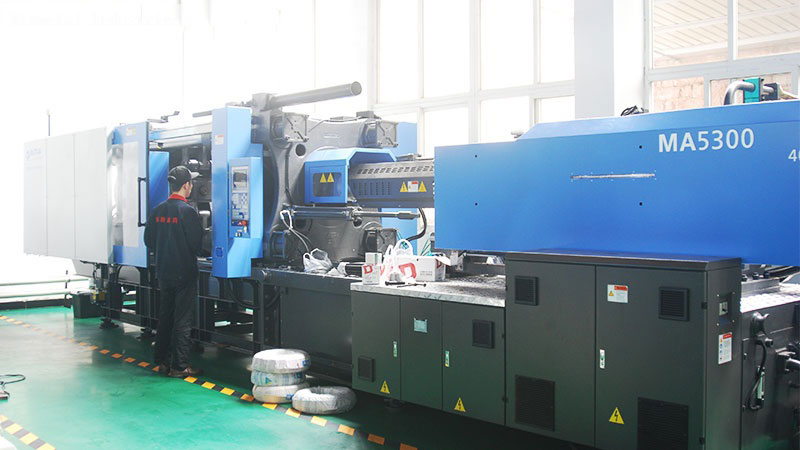
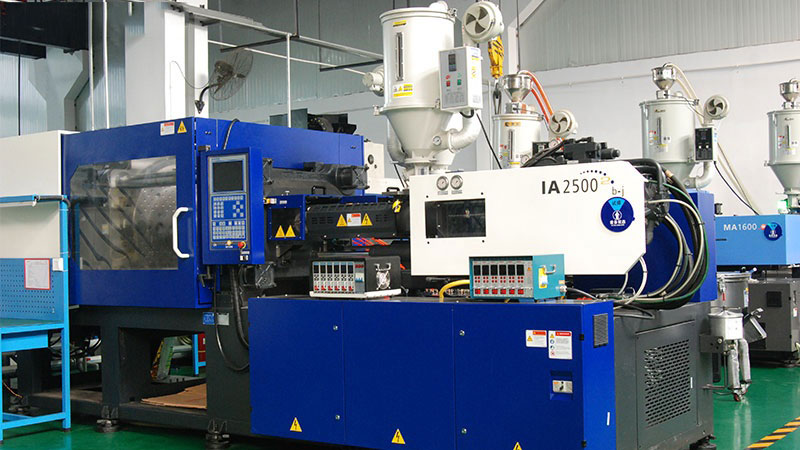
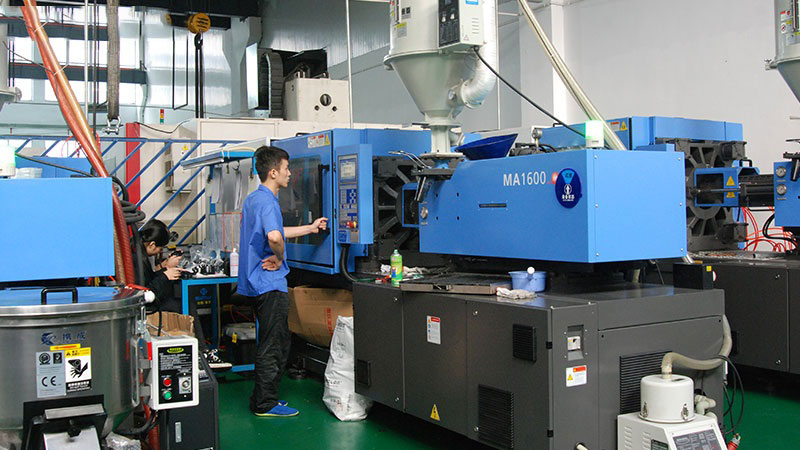
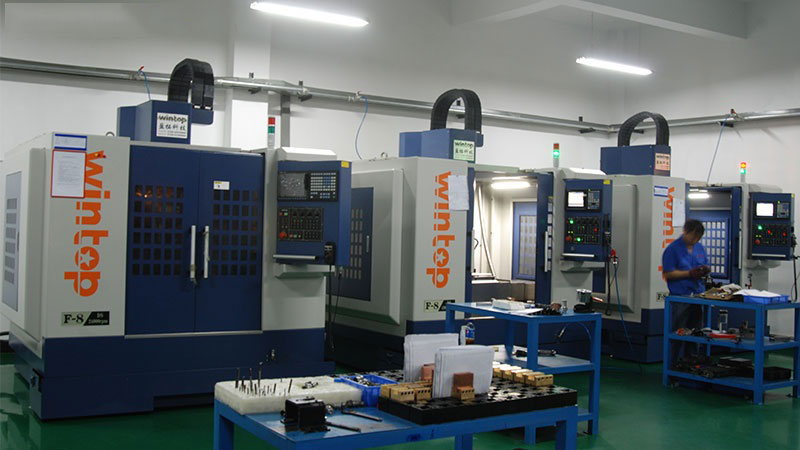
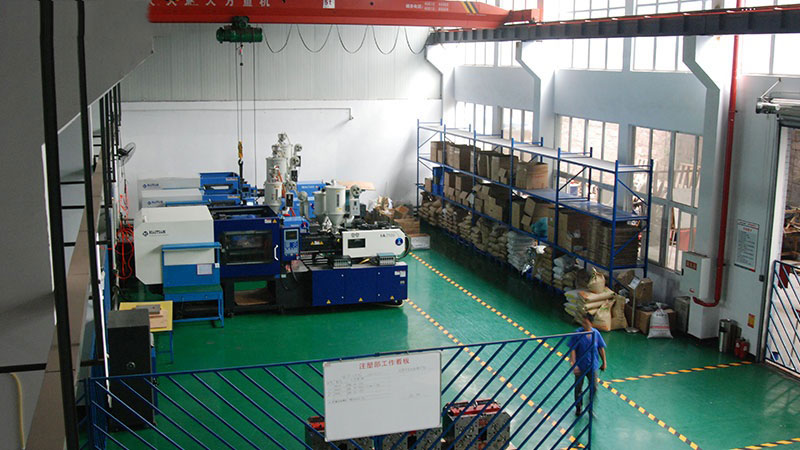
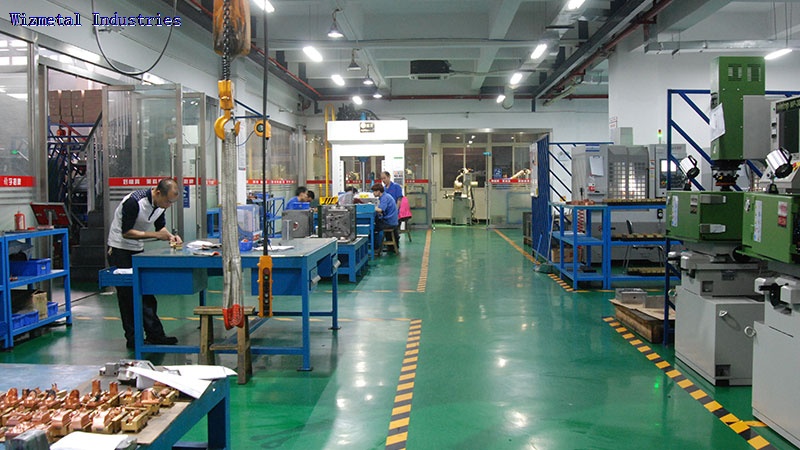
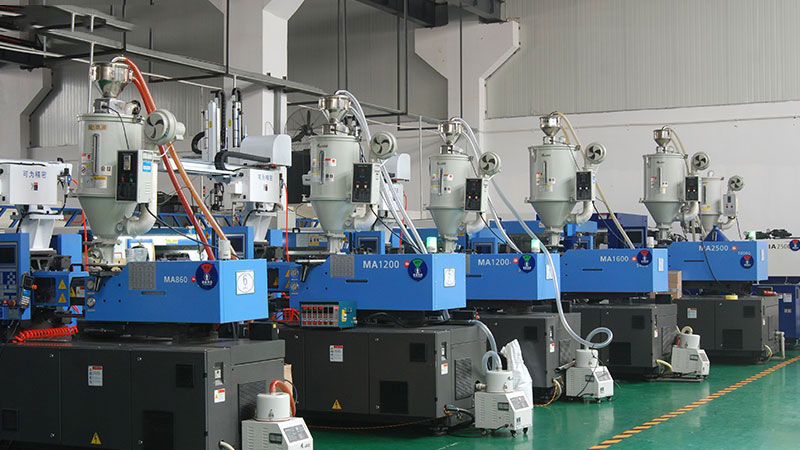
The foundation of a successful import project lies in meticulous supplier verification. In 2026, due diligence must go deeper than a website and a price quote. Start by verifying business licenses and export records. Utilize third-party inspection reports and insist on a detailed company profile that outlines their engineering team’s experience, machine park (list specific brands and tonnage of injection molding machines), and their specialization—be it automotive, medical, consumer electronics, or high-cavitation molds. A critical step is to conduct a live video audit of the facility. Request a walk-through of their production floor, quality control department, and mold trial area. This not only confirms the existence of their equipment but also gives you insight into their workshop organization and safety standards, key indicators of professional management. Engaging a local sourcing agent or a third-party inspection company for an initial verification can prevent costly mistakes down the line.
Once a shortlist of potential partners is established, the focus shifts to technical and commercial clarity. The single most important document is a comprehensive and unambiguous Request for Quotation. Your RFQ must include not just part drawings, but a full technical data sheet: material type, expected annual volumes, cosmetic requirements (e.g., SPI finish standards), tolerance specifications, and critical-to-function dimensions. For injection mold projects, explicitly state your requirements for mold flow analysis, cooling line design, and the type of steel (e.g., H13, S136, P20) expected. Clearly outline the deliverables: number of mold trials samples, inspection reports (FAI, CPK), and the format for 2D and 3D design files. This level of detail ensures all bidders are quoting on the same scope, prevents “hidden costs,” and immediately separates serious, capable China mold makers from those who may underestimate the project’s complexity.
Proactive quality control, integrated from the design phase through to mass production, is non-negotiable. A professional China mold factory will welcome and participate in a Design for Manufacturability review. Agree on key inspection milestones: First Article Inspection after initial sampling, a dimensional report after the T1 mold trial, and a final pre-shipment audit. For critical components, consider manduring process capability studies. It is advisable to allocate a budget for an independent third-party quality inspection during the initial sample approval stage. This objective assessment covers not just part dimensions, but also mold construction, steel hardness, and part functionality. Establishing a clear non-conformance process upfront—how defects are communicated, resolved, and who bears the cost for modifications—protects both parties and ensures a focus on continuous improvement rather than blame.
Finally, mastering the commercial and logistical framework is essential for a smooth import process. Understand Incoterms 2020 thoroughly; FOB Shanghai is common, but EXW or CIF might suit your logistics setup better. Ensure the proforma invoice is detailed, breaking down costs for mold design, mold base, cavity/core machining, trials, and sampling. Discuss payment terms that balance risk; a common and fair structure is 50% deposit, 40% after sample approval, and 10% before shipment. For the mold itself, clarify ownership of design IP and the physical tool. Logistics planning is crucial: molds are heavy, high-value items. Work with your chosen China mold maker to arrange secure, insured shipping via air freight for urgency or sea freight for cost-effectiveness, ensuring proper wooden crate packaging to prevent transit damage.
In conclusion, importing molds from China in 2026 is a process best navigated with a systematic, professional approach centered on verification, specification, and collaboration. By investing time in vetting your China mold maker, defining requirements with precision, implementing staged quality controls, and structuring clear commercial terms, you transform a complex international procurement into a manageable, predictable engineering partnership. The goal is to move beyond a transactional supplier relationship to a strategic alliance where your chosen China mold factory becomes a true extension of your production and innovation capabilities, delivering quality tooling that drives your product’s success in the global market.
Work With Us
As a professional China mold manufacturer, we provide one-stop mold solution for overseas buyers.
📞 Phone: +86-18605944639
💬 WhatsApp: +8618605944639
🌐 Website: bestmoldworks.com
📧 Email: [email protected]