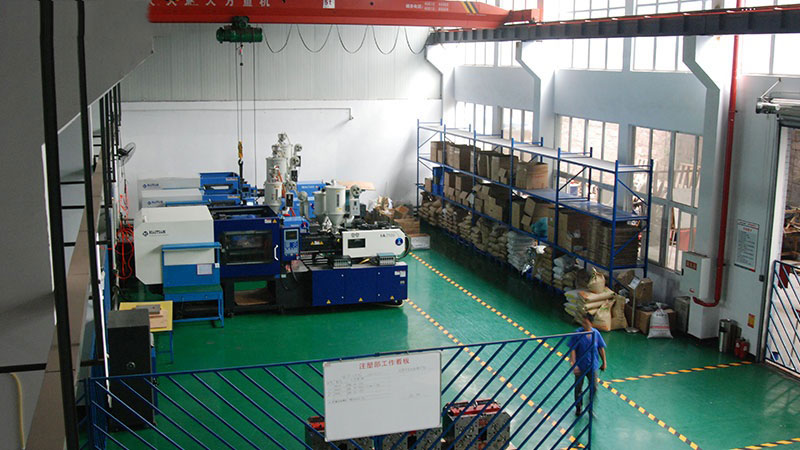
For overseas buyers, sourcing mold tooling from China remains a powerful strategy to achieve significant cost savings and access advanced manufacturing capabilities. However, the journey from initial procurement to receiving a flawless injection mold is fraught with potential pitfalls. The landscape in 2026 demands a more sophisticated approach than simply comparing quotes. Success hinges on a dual-focused strategy: meticulous supplier verification and a proactive, embedded quality control protocol. This guide provides actionable insights to navigate these critical areas, ensuring your next mold import project is built on a foundation of reliability and precision.
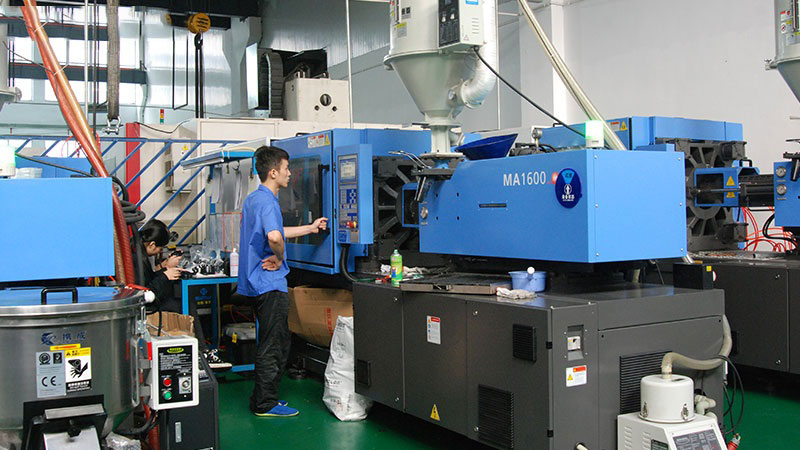
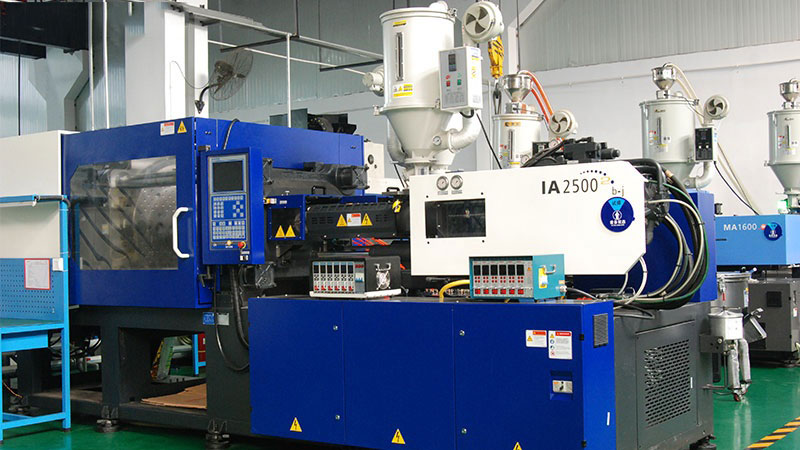
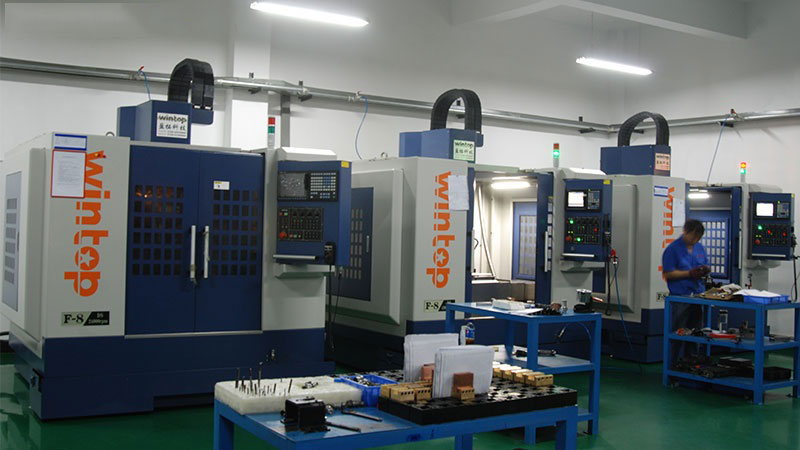
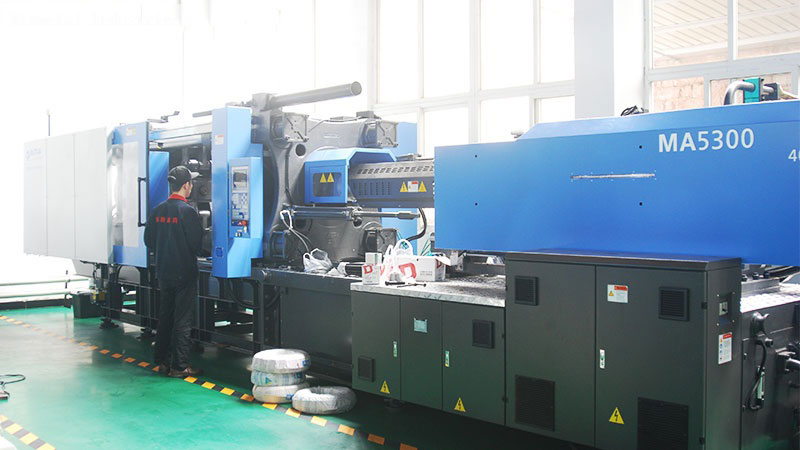
The cornerstone of successful procurement is moving beyond basic supplier lists to a rigorous verification process. In 2024, the best China mold factory is not always the largest or the cheapest. Begin with a deep-dive technical assessment. Require potential partners to share detailed case studies of molds similar to yours in complexity, material, and volume. Utilize video calls to conduct virtual factory tours, paying close attention to their equipment—look for modern CNC machines, EDM, and CMMs—and the organization of their workshop. Crucially, insist on speaking directly with their project engineering team. Their ability to ask insightful questions about your design, material selection, and intended production run is a strong indicator of competence. This step filters out mere trading companies and identifies true technical partners invested in your project’s success.
Once a qualified supplier is shortlisted, defining quality control expectations before order placement is non-negotiable. Your purchase agreement must include a comprehensive Quality Control Plan (QCP). This document should specify all critical checkpoints, such as First Article Inspection (FAI) using 3D scan data compared to your CAD model, material certification reviews for the chosen steel, and rigorous mold testing protocols. Stipulate that the China mold factory must provide full documentation at each stage: design review reports, mold flow analysis results (for injection molds), photographs of the polished cavities, and videos of the mold producing sample parts on a machine. Clearly state that payments are tied to the successful completion of these milestones. This formalizes expectations and provides you with contractual leverage, ensuring quality is managed proactively, not inspected reactively after a problem is found.
For injection mold projects, particularly, a collaborative design-for-manufacturability (DFM) review is your most powerful cost and quality control tool. A reputable supplier will provide a detailed DFM report highlighting potential issues in your part design that could lead to molding defects, premature mold wear, or unnecessary complexity. Engage with this feedback. Simplifying undercuts, optimizing wall thickness, and specifying appropriate draft angles based on their experience can dramatically improve mold longevity and part quality. This collaborative phase transforms the supplier from a passive executor to an active engineering partner. It directly impacts the performance and maintenance cycle of the final mold tooling, reducing downtime and total cost of ownership over the mold’s lifespan.
The final pre-shipment audit is where your proactive quality control measures culminate. Never allow shipment without a witnessed sample trial and dimensional inspection. Either use a trusted third-party inspection service located near the factory or plan for your own representative to be present. The trial run should use production-intent material and conditions. Evaluate not just the sample parts, but also the mold’s performance: cycle time, ease of ejection, functionality of sliders and lifters, and accessibility for maintenance. All critical dimensions of the produced parts must be verified against the drawing. Any discrepancies must be resolved, with corrections verified, before the mold tooling is released for shipping. This step is the ultimate insurance, preventing the costly and time-consuming scenario of troubleshooting a faulty mold in your own facility.
Looking ahead to 2026, the most successful importers will leverage digital tools to enhance transparency. Expect leading suppliers to offer secure portal access where you can view real-time progress updates, inspection reports, and even live feeds from the shop floor. Furthermore, consider the strategic value of building a long-term partnership with one or two verified suppliers rather than constantly seeking the lowest bid. A partner who understands your quality standards and business goals will provide greater value through consistent performance, priority scheduling, and collaborative innovation on future projects.
In conclusion, securing the best mold tooling from China in 2026 requires a shift from a purely cost-centric procurement model to a quality and partnership-driven framework. The process is systematic: verify your supplier’s technical depth with rigor, embed quality control checkpoints into your contract, collaborate deeply on DFM, and never waver on the final pre-shipment validation. By implementing these actionable strategies, overseas buyers can confidently tap into China’s manufacturing excellence, transforming the complex process of importing molds into a reliable, value-adding component of their global supply chain. The goal is not just to buy a mold, but to invest in a precision tool that will deliver flawless parts for years to come.
Work With Us
As a professional China mold manufacturer, we provide one-stop mold solution for overseas buyers.
📞 Phone: +86-18605944639
💬 WhatsApp: +8618605944639
🌐 Website: bestmoldworks.com
📧 Email: [email protected]